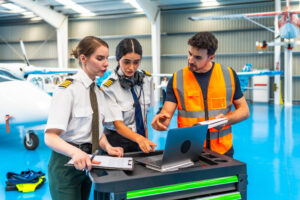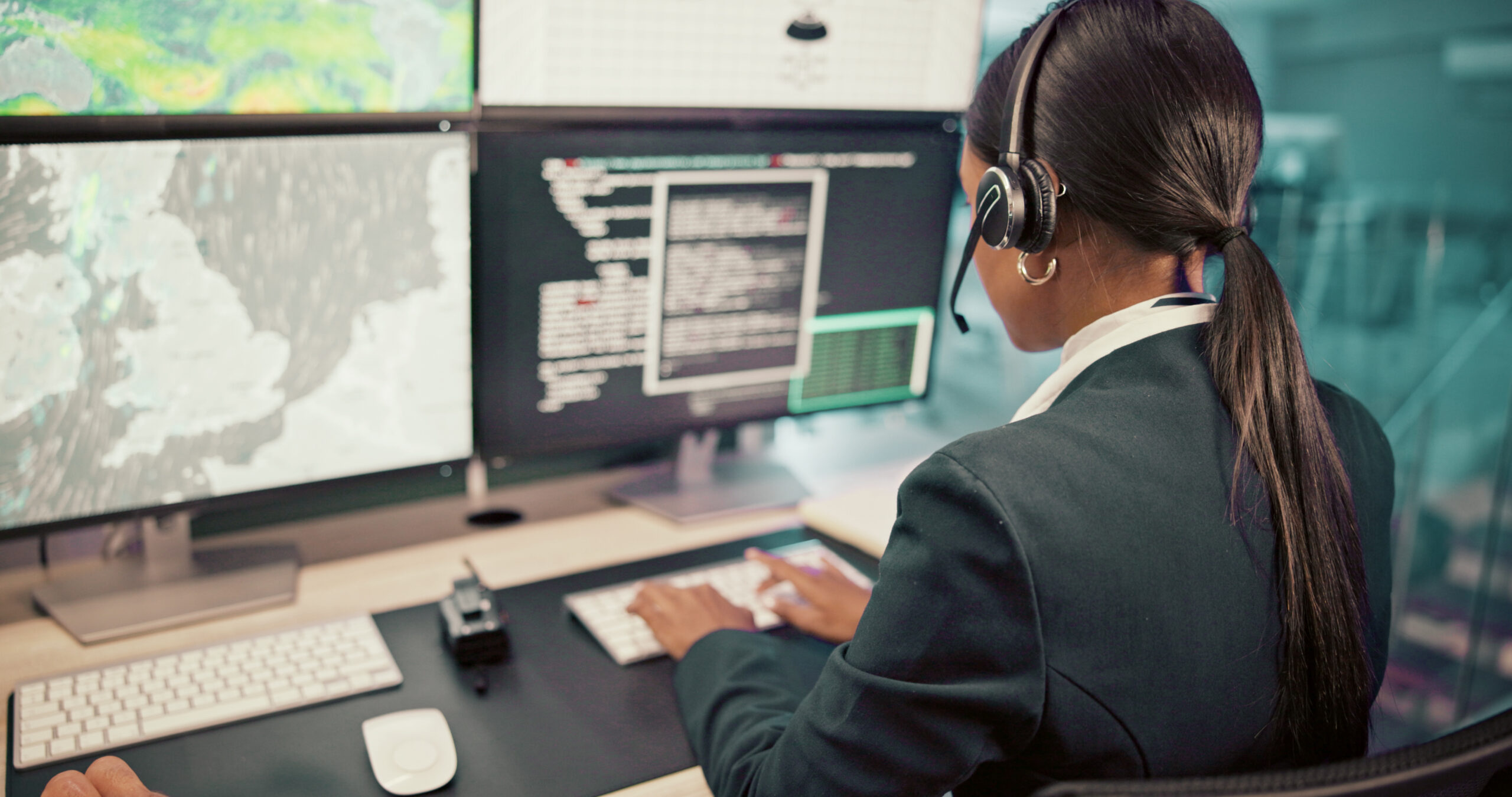
While the pilots take the glory in the cockpit, there is a person on the ground without whom the aircraft wouldn’t even be allowed to start its engines. Meet the Flight Dispatcher. In 2026, as flight paths become more complex and sustainability targets tighter, the dispatcher’s role has evolved into a high-stakes blend of meteorology, logistics, and crisis management.
They are often called the “Ground Pilots” because they share legal responsibility for every flight’s safety. Let’s look at the art—and the math—behind their work.
1. The Co-Authority: Sharing the Captain’s Responsibility
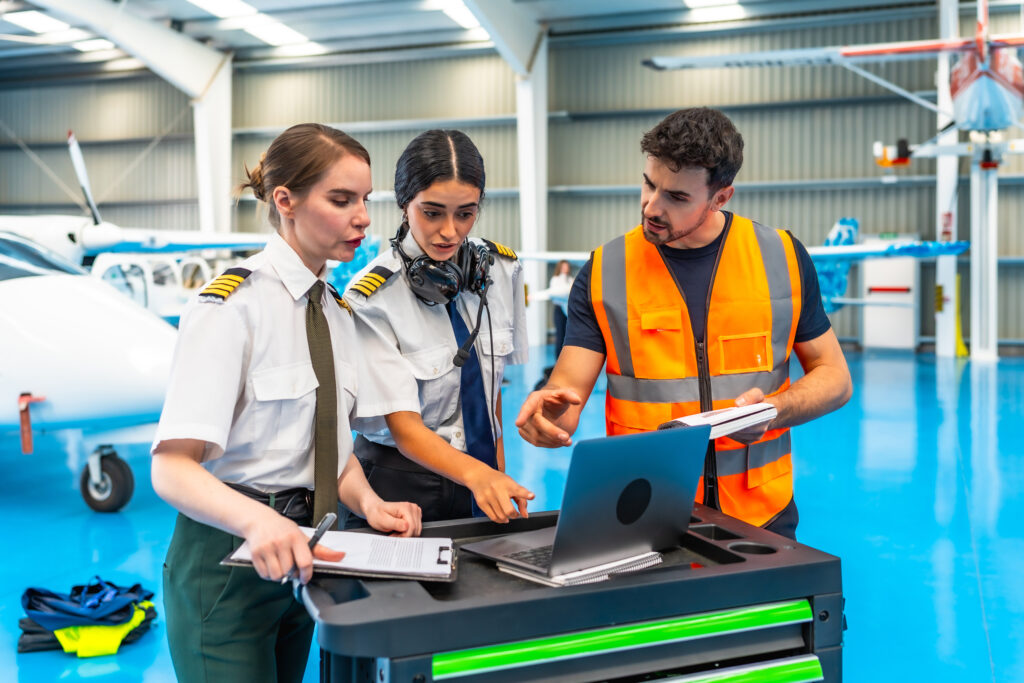
Under international aviation law, a commercial flight cannot depart without the joint signature of the Captain and the Flight Dispatcher.
· The Partnership: While the pilot manages the aircraft, the dispatcher manages the environment around it. They monitor everything from solar flares affecting GPS to real-time volcanic ash clouds.
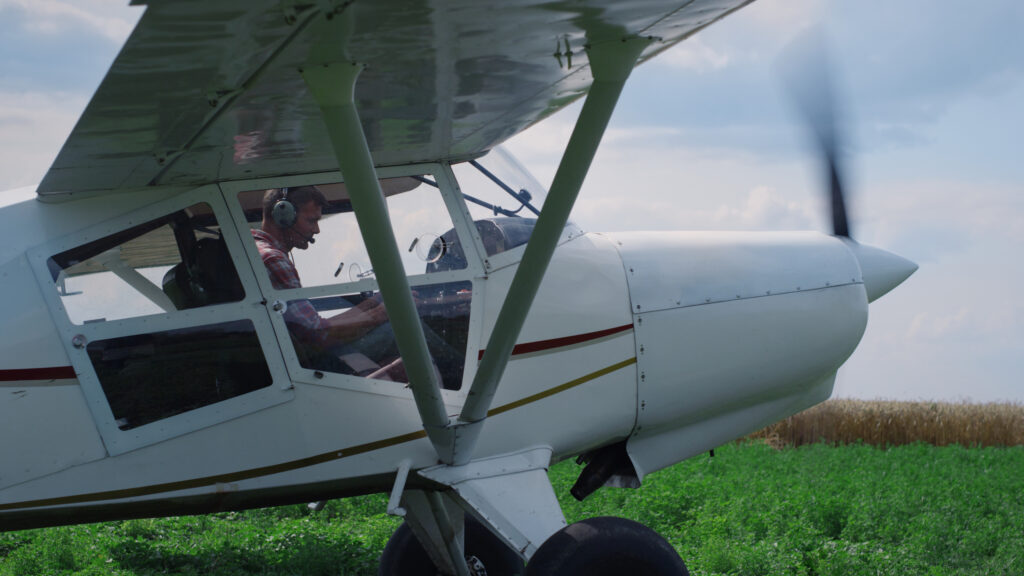
· Complex Scenarios: This cooperation is most vital during challenging conditions, such as high-traffic night operations. Understanding how these pieces fit together is a core concept, much like how night rating training prepares pilots for the unique visual and logistical challenges of airline operations.
2. The Art of Fuel Planning: More Than Just a Full Tank
In 2026, fuel planning is a delicate balancing act between safety and environmental impact. A dispatcher must calculate the exact “Trip Fuel,” plus “Contingency” for holding patterns and “Alternate” fuel for diversions.
· The Math: Every extra kilogram of fuel increases the plane’s weight, which in turn burns more fuel.
· The Efficiency: Dispatchers must find the “sweet spot” where the aircraft has enough fuel for any emergency, but not so much that it becomes unnecessarily heavy and carbon-intensive.
3. Dispatch Software: The High-Stakes Strategy Game
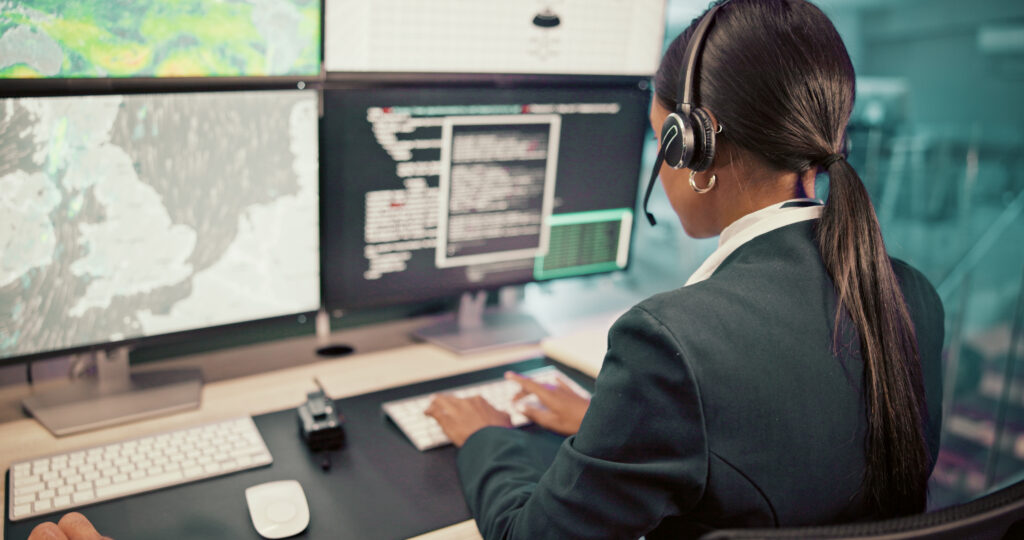
Modern dispatchers use AI-driven flight planning tools that look like something out of a sci-fi movie. They analyze millions of data points to find the most efficient “highway in the sky.”
· Simulation: The software used in professional dispatch offices shares a surprising amount of DNA with high-end flight simulators. In fact, many aspiring dispatchers and pilots hone their logic and situational awareness by practicing with the best video games for flight simulation before entering a professional environment.
4. The Safety Net
A great dispatcher is a pilot’s best friend during an emergency. If a mechanical issue occurs mid-flight, the dispatcher is already on the radio, checking the nearest runway length, the current weather at the diversion airport, and alerting emergency services—all while the pilot is busy flying the plane.
Conclusion: One Team, One Goal
Aviation is the ultimate team sport. The next time you see a jet taking off, remember the dispatcher in a control room miles away who calculated every nautical mile to ensure that flight reaches its destination safely.