In the modern flight deck of an Airbus or Boeing, we are often “system managers” rather than hands-on flyers. With 2026 bringing more automation through AI and advanced flight management systems, the raw “stick and rudder” skills of a pilot can sometimes get rusty. This is where Bush Flying comes in.
Why are major airlines encouraging their pilots to spend time flying small planes onto grass strips in the middle of nowhere? Because it makes them safer, more intuitive, and more capable in the 737 cockpit.
1. The Lost Art of “Stick and Rudder”
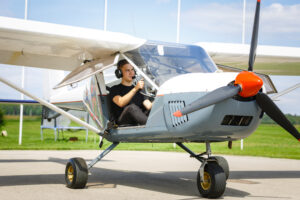
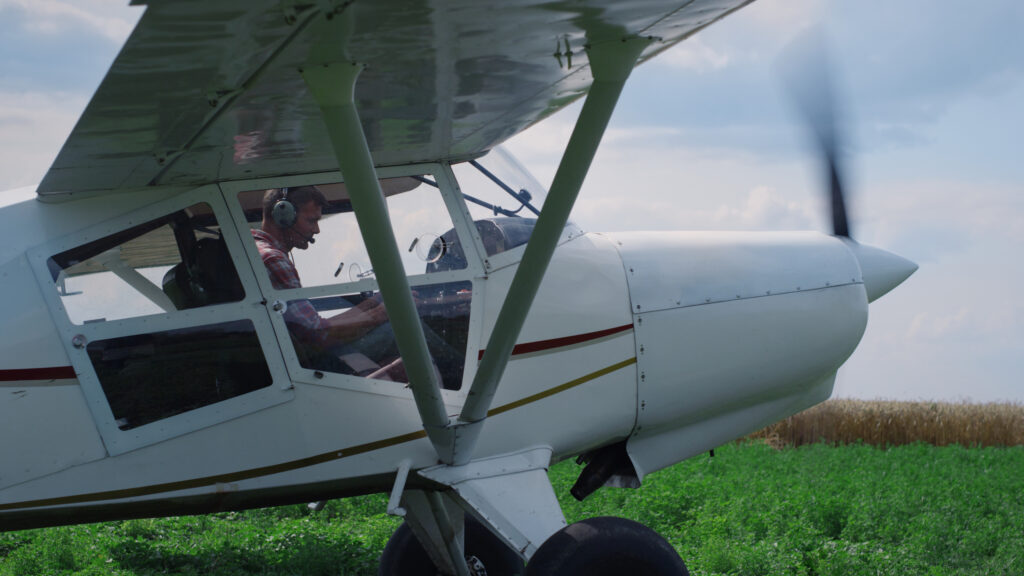
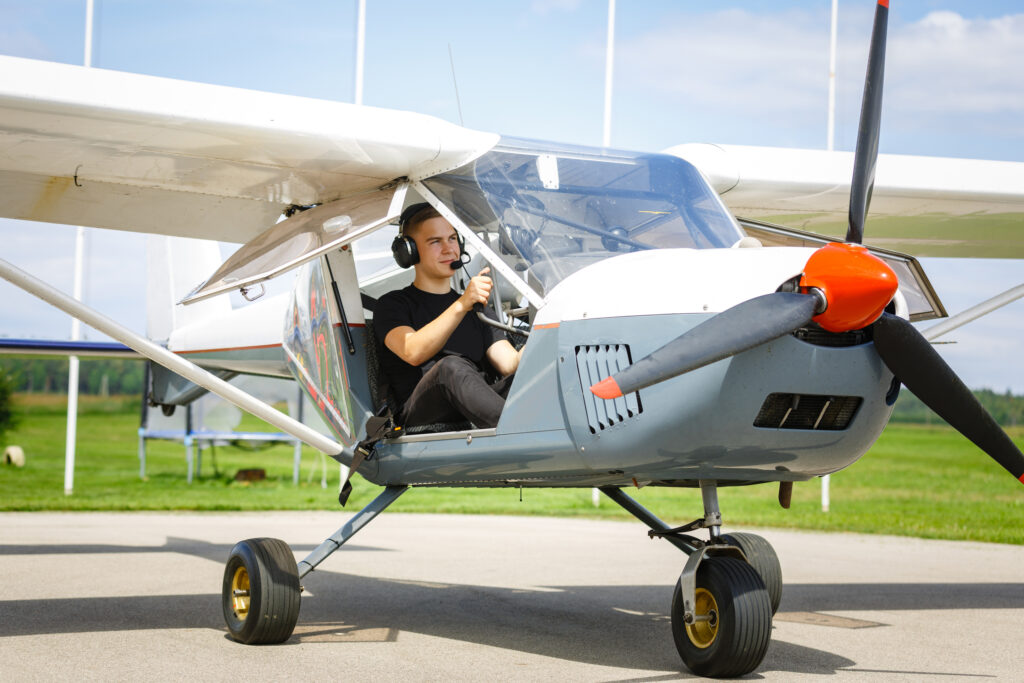
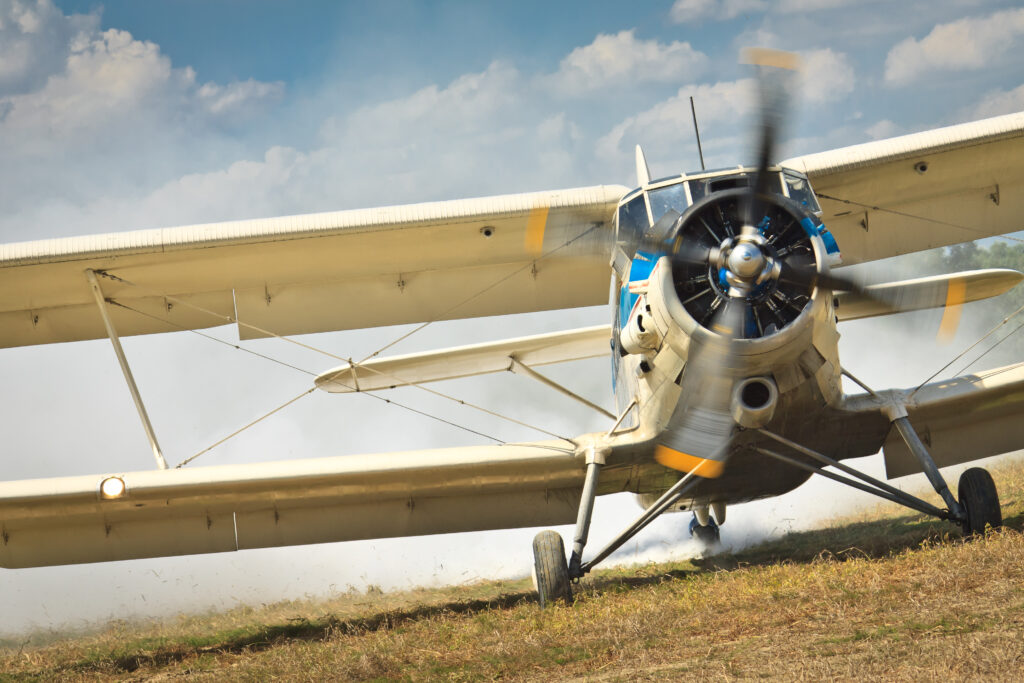
In a glass cockpit, a computer often smooths out your inputs. In a taildragger landing on a short, uneven grass strip, there is no computer to help.
- The Benefit: Bush flying forces you to feel the aircraft’s energy, the wind, and the surface. You learn to “fly the wing,” not just the instruments.
Training Value: These fundamental physics are the core of everything a pilot does. Even the most advanced ATPL subjects you must master—like Principles of Flight—come to life when you’re managing a short-field takeoff from a muddy field.
2. Superior Situational Awareness
Bush pilots don’t have an ILS (Instrument Landing System) or a paved runway. They have to judge altitude, speed, and wind based on visual cues and environmental feedback.
- Precision: Landing on a 300-meter strip requires 100% accuracy. This “eye-to-hand” coordination is the best defense against automation dependency.
- The Foundation: Many top airline captains recommend starting with these raw skills. It’s a journey that often begins with online pilot training to build the theoretical mindset before ever touching the grass.

3. Decision Making Under Pressure
When you’re flying in the “bush,” there’s no dispatcher to help you. You are the pilot, the navigator, and the safety officer.
- Airmanship: You learn to read the weather and the terrain in real-time. This level of self-reliance is exactly what airlines look for in their captains.
- Modern Prep: To bridge the gap between small planes and big jets, schools are now using AI and VR to reshape how these skills are taught, allowing pilots to practice bush maneuvers in a safe, simulated environment.
4. Rediscovering the Joy of Flight
Let’s be honest: flying a widebody across the ocean can become routine. Bush flying is a reminder of why we fell in love with aviation in the first place.
- The Passion: It keeps your mind sharp and your passion alive. Many pilots find that practicing these skills—even virtually through advanced flight simulation video games—keeps their manual flying skills at a professional level.
Conclusion: Back to Basics for a Safer Future
In 2026, the best pilots aren’t just the ones who know which buttons to push; they are the ones who can fly the plane when the buttons stop working. Bush flying isn’t just a hobby—it’s the ultimate insurance policy for every professional aviator.