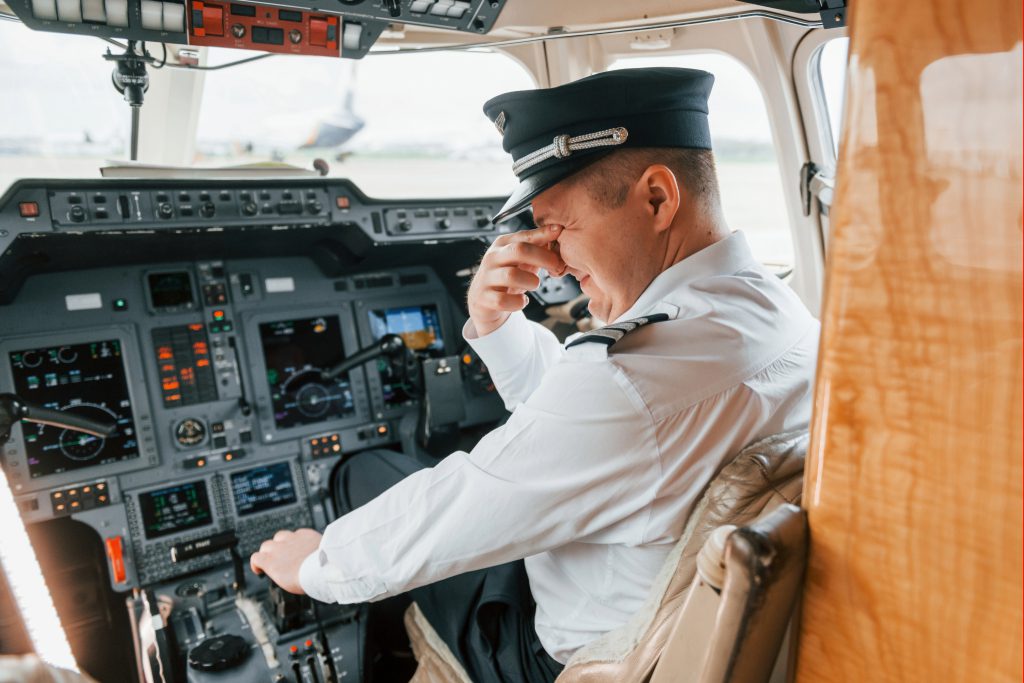
Have you ever dreamed of flying above the clouds and feeling weightless? This job, however, involves more than just exceptional uniforms and breathtaking views. Pilots quickly discover in the system that the experience is not only formed by aircraft type or salary but by something far less visible: the airline’s work culture. A culture that heavily influences safety, training, scheduling, communication, and long-term career satisfaction.
Before committing to a pilot career, take a look at the culture beyond the cockpit door.
A Culture of Pilot Career
Airline pilot work culture is built on precision and unwavering responsibility, where every decision carries severe consequences measured in lives rather than in numbers. Behind this prestigious profession lies a safety-oriented environment, consisting of strict regulations, constant evaluations, and flawless routines.
Safety Through a Rigorous System
The safety of every passenger depends on the pilot’s decision, especially during challenging weather conditions or emergencies. Surely, this necessity builds a culture of precision but also causes a psychological impact on the pilot. Achieving this, pilots must undergo rigorous medical checks, continuous training and evaluations. These processes are crucial to ensure maximum safety and to increase high-performance expectations throughout a pilot’s career.
The Personal Cost of a Pilot’s Schedule
One of the main challenges in a pilot’s career is the unpredictable nature of scheduling, as pilots frequently work early mornings, nights, weekends, and even holidays. Without a stable sleep cycle, this can cause unsettling effects both physically and mentally. Not to mention that an airline pilot logs around 75 flight hours each month, and dedicates roughly 150 hours to responsibilities such as reviewing weather reports, planning routes, and completing pre-flight preparations.
The pilot’s lifestyle is controlled by rotating schedules with long periods on duty followed by designated days off, which can take a mental toll on them and their families. They often miss important milestones in their children’s lives, making it challenging to maintain relationships and work-life balance.
If you’re looking for practical tips on how to better balance your workload and personal life, don’t miss our previous article. Read it here and start making small changes that create real impact in the long-term.
Excellence Through Continuous Training
In an industry that is constantly evolving with daily technological breakthroughs and regulatory changes, continuous improvement is crucial. To avoid falling behind, they must undergo lifelong learning during their pilot career. They must conserve their currency and stay updated on the latest regulations and procedures through repeated training programs. Achieving excellence requires tremendous time and energy, in addition to their daily responsibilities.
Can You Choose a Different Career Path?
Global Pilot Work Culture
Airline culture varies widely across the globe: In some Asian and Middle Eastern regions, cockpit culture has a strong respect for authority during decision-making, while American and many European airlines encourage open dialogue between captains and first officers.
Regarding work-life balance, Scandinavian countries often prioritise predictable schedules and well-being with longer rest periods and mental health support. In contrast, in many African or Asian developing countries, pilots may experience heavier workloads, longer duty periods and even delayed payments due to limited resources.
Safety culture in Australia and New Zealand encourages open, non-punitive reporting to support transparency, while more bureaucratic systems may discourage error reporting due to fear of consequences.

Pilot Lifestyle Based on Roles
Pilots’ lifestyles are shaped by their specific roles within aviation, each with unique demands and schedules. By choosing a role based on your preferences, you can create a more balanced pilot career and help prevent burnout.
- Short-haul pilots typically return home the same day, but their schedules can be intense, with multiple flights and turnarounds in a single shift.
- Long-haul pilots spend extended periods away from home, operating intercontinental routes, followed by longer rest periods during layovers or after completing trips.
- Private or corporate pilots often face more unpredictable schedules, as flights depend on client needs, yet they may benefit from greater flexibility, more comfortable accommodations, and additional travel perks.
Final Thoughts
Becoming an airline pilot is more than earning wings, it is choosing a lifestyle. Before committing to this path, you have to realise the hardships of this field and reflect on the pilot lifestyle and environment you want for yourself. If flying is your dream, pursue it, but be informed about the skies you choose to build your career in.