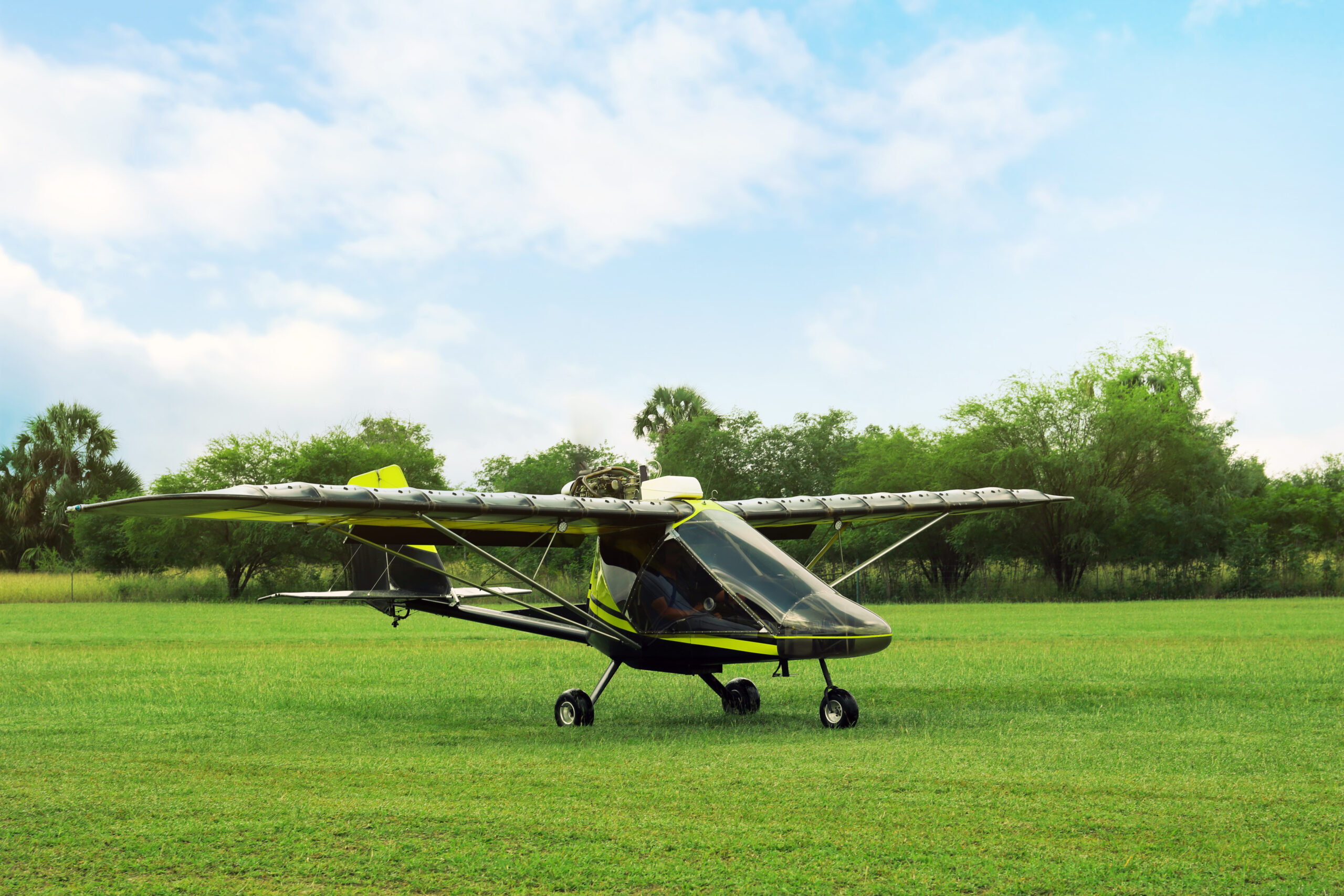
As we navigate through 2026, the aviation industry is facing a massive challenge: how to train 674,000 new pilots over the next two decades while reducing the carbon footprint of flight schools. With a projected global shortage of 24,000 pilots this year, the pressure to find more accessible and cost-effective training methods has never been higher. Enter electric flight. Is it time to ditch the traditional combustion engine for your Private Pilot License (PPL)?
The Game Changer: Electric Flight and Training Costs
The biggest barrier to entry for aspiring pilots has always been the pilot training cost. Traditional trainers like the Cessna 150/152 or Piper Warrior are reliable, but their fuel (Avgas) and maintenance costs are soaring.
- Fuel vs. Electricity: Operating electric planes can reduce energy costs by up to 70-80% per flight hour compared to traditional fuel.
- Maintenance: Electric motors have significantly fewer moving parts than internal combustion engines. This means fewer inspections and lower long-term maintenance overhead for flight schools.
- Affordability: These savings are slowly trickling down to students, making the “first 40 hours” of a PPL more affordable than ever.
| Feature | Traditional (Avgas) | Electric (Battery) |
| Energy Cost | $80 – $120 / hour | $10 – $20 / hour |
| Maintenance | High (50/100h inspections) | Low (Fewer moving parts) |
| Noise Level | High (90+ dB) | Low (Silent motor) |
| Endurance | 4 – 6 Hours | 1 – 1.5 Hours |
| Carbon Footprint | Significant CO2 | Zero (Local emissions) |
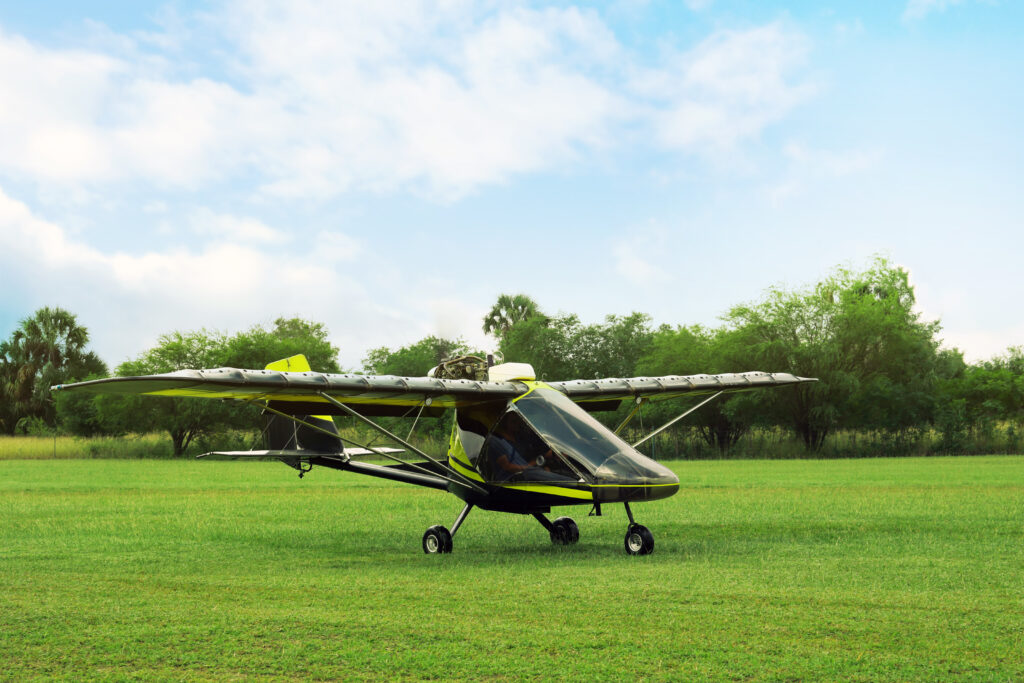
Environmental Impact and the “Quiet” Revolution
Beyond the wallet, electric flight is the primary solution for the industry’s environmental goals. With the global fleet expected to double by 2044, the environmental impact of training must be addressed.
- Zero Emissions: Electric planes produce zero CO2 during flight, which is vital as airports face stricter local environmental regulations.
- Noise Reduction: Electric engines are significantly quieter, allowing flight schools to operate longer hours without disturbing local communities. This efficiency is similar to how AI and VR are reshaping pilot training by allowing more flexible, high-tech learning environments.
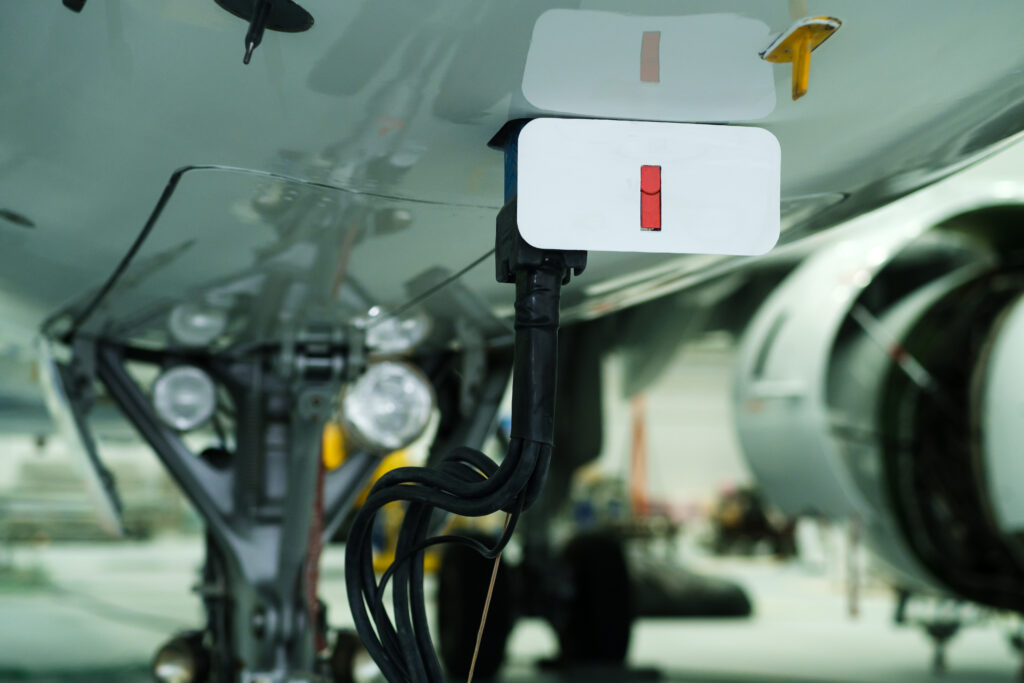
Is it Right for Your PPL?
While the technology is exciting, there are still things to consider:
- Endurance: Most current electric trainers have a battery life of 60–90 minutes. While perfect for circuit patterns and local maneuvers, you may still need a traditional aircraft for longer cross-country flights.
- Regardless of the propulsion system, the fundamentals of flying remain the same. To ensure you stay on track, it is important to focus on the basics and avoid common mistakes during your initial training phases.
Conclusion: A Greener Path to the Cockpit
Starting your pilot training on an electric aircraft is no longer a futuristic dream; it’s a strategic choice. By lowering the pilot training cost and respecting the environment, electric flight is paving the way for the next generation of aviators.