Today’s agricultural pilot flies with GPS, computer-guided spray systems, and enough precision to treat a single row of crops. They’re part farmer, part aviator—and completely essential to modern agriculture.
It’s a career that starts on the ground. Most ag pilots spend years mixing chemicals, maintaining planes, and learning from mentors before they ever take the controls.
The current generation of pilots is retiring. The door is open for the next wave.
What Does an Agricultural Pilot Do?
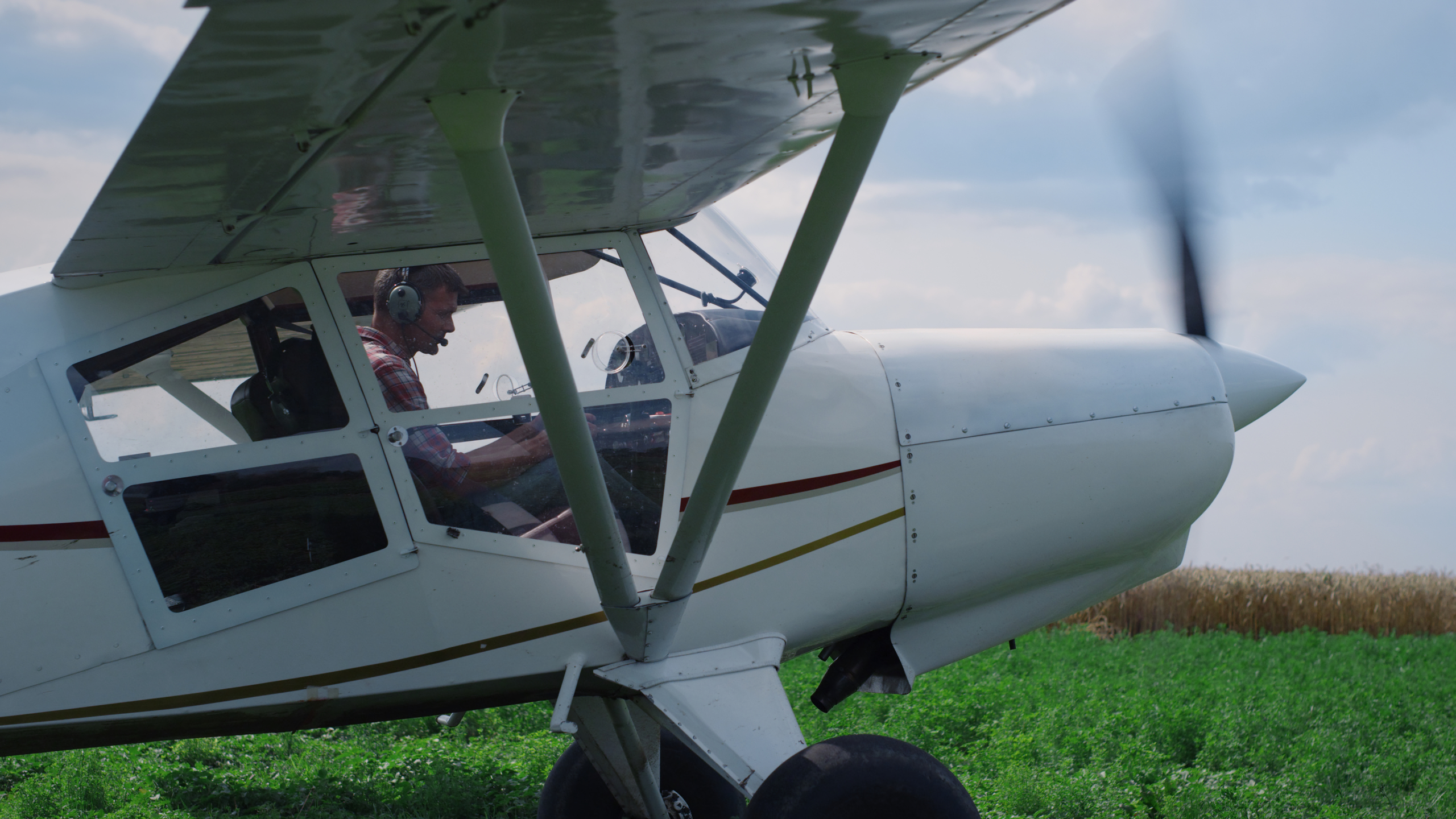
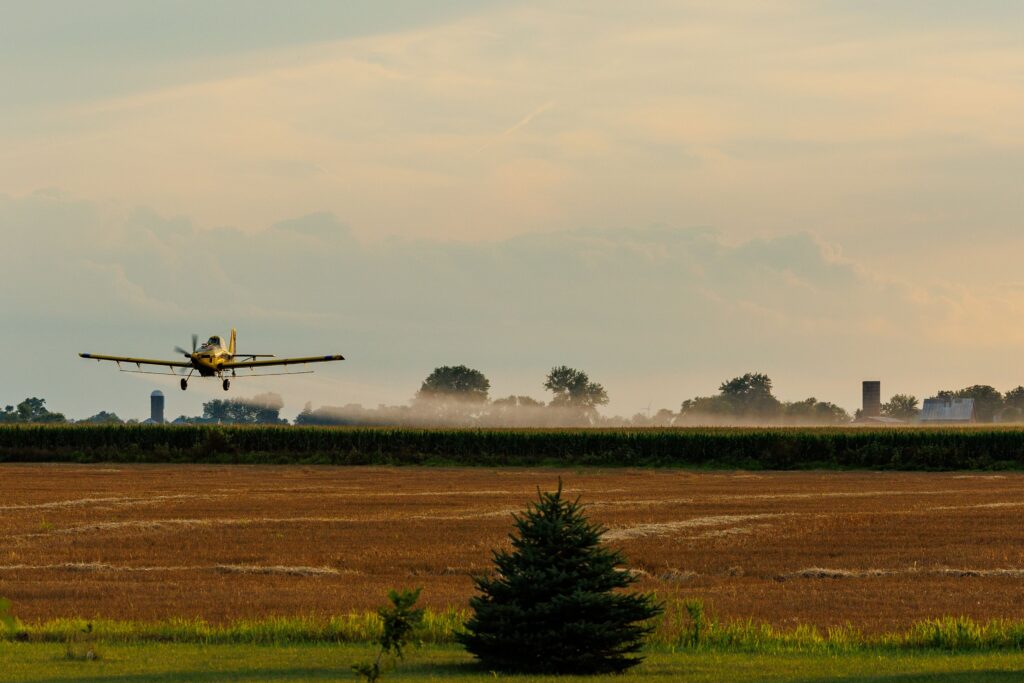
An agricultural pilot applies treatments from the air—pesticides, fertilizers, seeds—working at dawn and dusk when the air is still. The season runs six to nine months. Some follow the crops, others stay based.
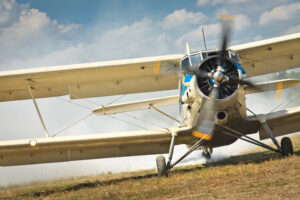
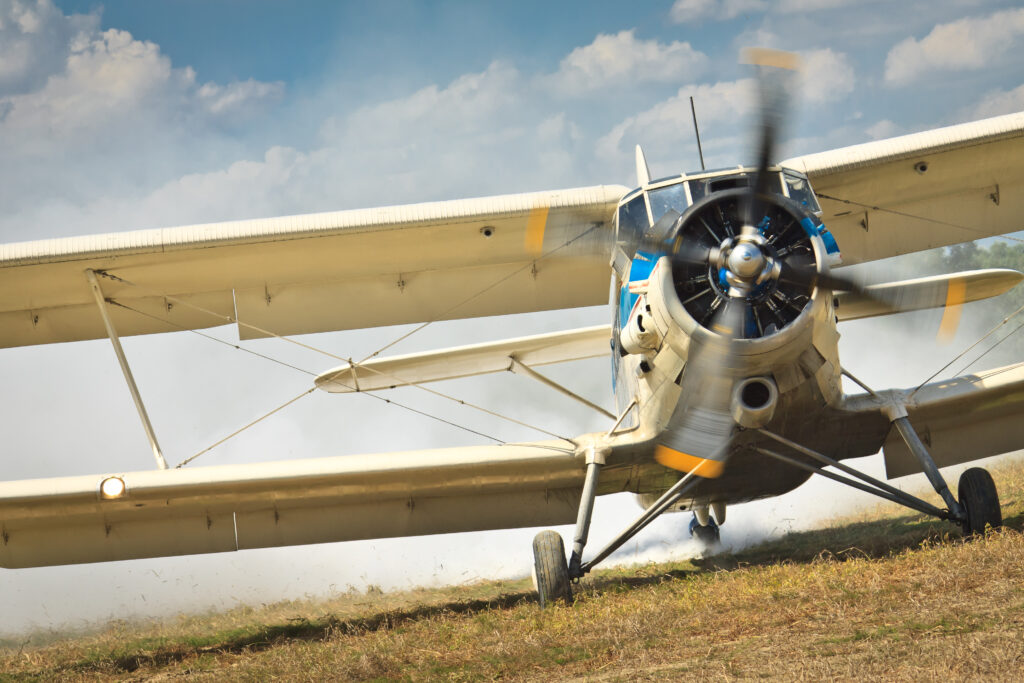
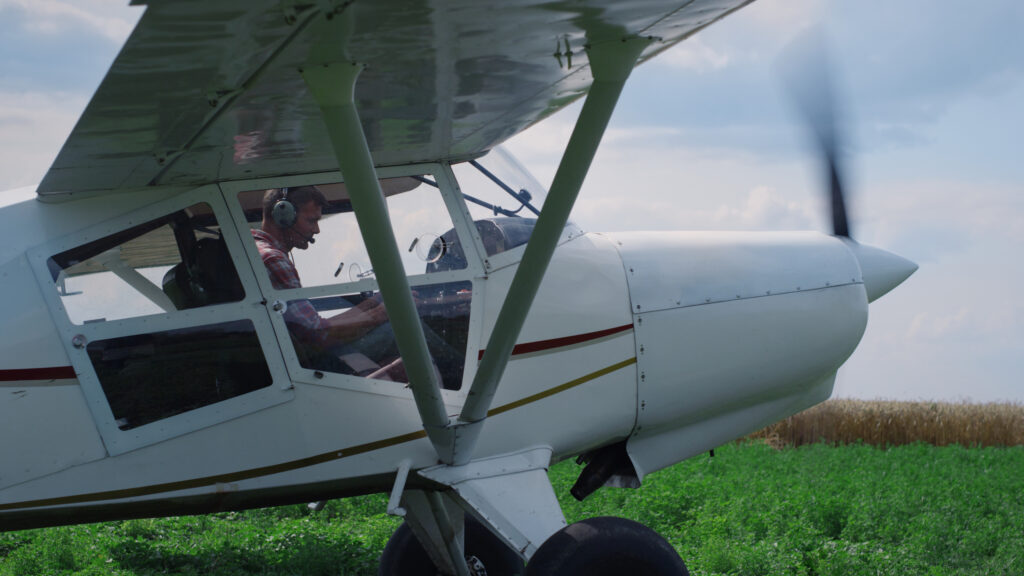
The aircraft are purpose-built—Air Tractors, Ag Cats, and other tailwheel planes. Modern ones carry 800 gallons and cross fields at 140 knots, guided by GPS.
Ag pilots also mix chemicals, plan flight paths, maintain equipment, and work with farmers. It’s more a way of life than a job.
Some roles include helicopter work, forest spraying, and drying moisture-sensitive crops.
How to Become an Agricultural Pilot
There’s no shortcut for agricultural pilot training. It takes training, experience, and a willingness to earn your place from the ground up.
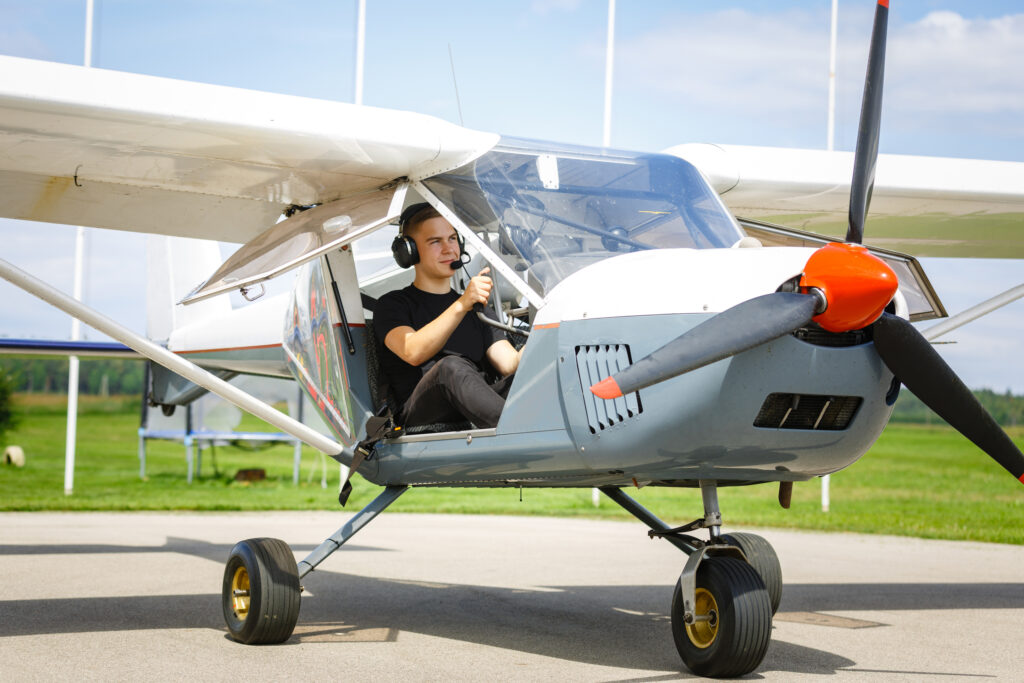
Step 1 – Get Your Pilot Certificates: You’ll need a commercial certificate and second-class medical. Most ag aircraft are tailwheel, so that endorsement is highly recommended. An instrument rating isn’t required—ag flying is visual, low-altitude work.
Step 2 – Earn Your Pesticide Applicator License: Every state requires an applicator license for safe handling, storage, and application of chemicals. Treating your own land? A private license suffices. Otherwise, you’ll need a commercial one.
Step 3 – Find a Mentor and Start as Ground Crew: Most ag pilot jobs start as apprenticeships. You’ll work on the ground—mixing loads, fueling, handling maintenance—proving your commitment. After a season or two, you transition to flying under an experienced operator.
Step 4 – Build Hours and Experience: Entry-level ag pilots often work seasonally. With experience comes bigger aircraft, more responsibility, and eventually the chance to run your own operation. For many, the mental side of the job is just as important as the technical skills. Building confidence as a pilot takes practice—and the right mindset.
What Does Ag Pilot Training Cost?
Ag pilot training cost starts with your commercial certificate—typically $50,000–$80,000 from zero hours.
Specialized ag flight pilot training is offered by only a handful of schools. Most operators prefer to train new pilots in-house, starting them as ground crew before moving them into the cockpit.
Ag pilot training schools are rare. Instead, most pilots learn through apprenticeship. The National Agricultural Aviation Association offers safety training and resources.
How Much Do Agricultural Pilots Make?
Agricultural pilot salary starts modestly. Entry-level pilots earn $20,000–$40,000. With experience, that climbs to $50,000–$100,000.
The top tier of ag pilots makes $200,000–$250,000, with the average around $130,000.
It’s not handed out easily. You earn it with precision flying, long days, and real risk.
Agricultural Pilot Jobs: What to Expect
About 4,000 agricultural pilots work in the U.S.—fewer than before, not because demand fell, but because one turboprop now does the work of several piston planes.
Ag pilot jobs are strongest in California and the southern states, where growing seasons are longest. Work is also available in the Midwest, Northeast, and Pacific Northwest for those willing to travel.
With an aging workforce, ag pilot jobs near me may be easier to find than you think. The industry needs new pilots.
The Bottom Line
It’s not a career for everyone. You’ll spend your days at low altitude, handling chemicals, and working when the weather allows. For the right pilot, it’s worth every bit of it: precision flying, a tight-knit community, and a real impact on the world’s food supply.
But before you decide, ask yourself what you really want from a flying job. Choosing your first flying job is about matching your skills to the work that suits you best.
The next generation of agricultural pilots is needed now. If you have the skills, the patience to learn, and the desire to fly with purpose, this career is yours to take.