Not long ago, becoming a pilot meant putting your life on hold, quit your job, relocate and burn savings. Online pilot training changed that.
Now you can become a pilot from home through an online flight school that fits around your life. Study between meetings, after work, whenever it works. You’ll build the same foundation and often arrive at your first flight lesson better prepared.
Here’s your complete guide to how to become a pilot the smart way: real numbers, actual trade-offs, and a roadmap to earning your wings without emptying your wallet.
Two Paths to Your Pilot License
No preparation before flight school means learning the basics in the cockpit while the meter ticks. Start with online training at home, and you’ll show up ready to fly from your very first lesson.
The Traditional Path:
- Quit your job or take leave
- Relocate or endure long commutes
- Pay $500-$1200 for in-person ground school
- Sit through fixed-schedule classes
- Learn ground material from your instructor
Online Pilot Ground School:
- Keep your job and train around your schedule
- Complete ground school from home for $150-$500
- Learn at your own pace
- Show up for flight lessons actually prepared
- Pass your FAA written before your first flight
Here’s the truth: online training doesn’t replace flight time. It replaces the expensive, inflexible ground school model. That’s where the real savings come from.
What Online Pilot Ground School Actually Looks Like
Online ground school isn’t about zoning out in front of a screen anymore. The reality is far more engaging.
Today’s top courses deliver:
- HD video lessons from real pilots and aviation educators
- Interactive quizzes that lock in learning as you go
- Practice exams that mirror the real FAA test
- Mobile apps for studying anywhere
- Offline content for when internet is spotty
- Instructor access via email, chat, or live video
- Study groups connecting you with other student pilots
- Progress tracking so you never guess where you stand
Some platforms now include AI chat, live ATC simulations, and mock checkride prep. The best ones don’t feel like watching videos—they feel like a personal instructor in your pocket.
For those who prefer studying on mobile, we’ve rounded up the 5 best apps for pilot education and exam preparation.
When Should You Take Online Pilot Training?
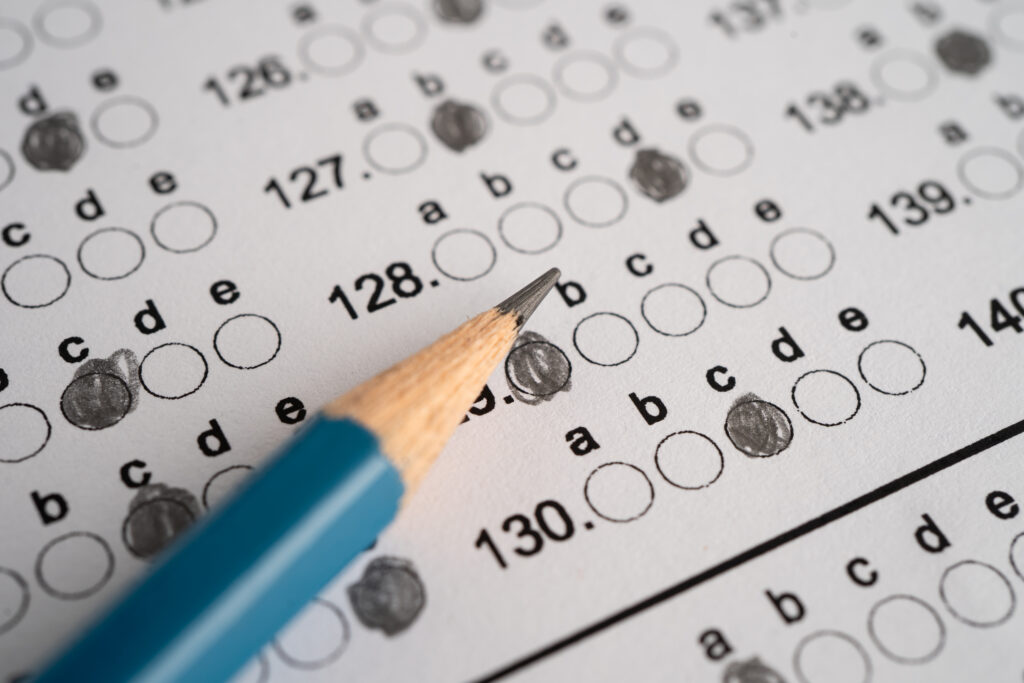
Complete your pilot ground school and pass the FAA written before your first flight lesson.
Why this works:
- One thing at a time: Your written is done and then can focus entirely on learning to fly.
- Knowledge stays fresh: Start flying right after passing, and the material is still top-of-mind. Less review, more flying.
- Instructors notice: CFIs spot prepared students immediately. Fewer ground lessons mean more of your budget goes to flight time.
Requirements: You need an endorsement from a certified instructor to take the knowledge exam. Most online ground schools provide this automatically upon completion.
Heads up: Your test results expire in two years. If your checkride doesn’t happen within that window, you’ll need to retake the written.
How to Pick the Best Online Ground School
Not all courses deliver the same value. Here’s what separates the best from the rest.
1. FAA Compliance
Ensure the pilot training material meets FAA standards for your certificate and is current with regulations. Reputable providers state this clearly.
2. Instructor Expertise & Support
Look at who built it. Look for experienced flight instructors and aviation educators. More importantly: how’s the support? Do you get personalized answers? Fast responses? Check reviews on Trustpilot or Google to verify.
3. Learning Format
Match the course to your style. The best offer video, text, audio, interactive exercises, and visual aids. Choose what works for you.
4. Ground School + Test Prep
Critical distinction: ground school teaches concepts. Test prep teaches exam strategy. Both are essential. Skip comprehensive ground school and you’ll memorize answers without understanding—and struggle when things go unexpected.
5. Pass Rates & Guarantees
Look for published pass rates or money-back guarantees. They signal confidence.
6. Lifetime Access
Training rarely goes as planned. Lifetime access means you can refresh without repurchasing—especially valuable for the required biennial review.
7. Offline Access
Can you download materials? Crucial for travelers or spotty internet.
8. Pricing
Online courses run $150-$500. Subscriptions run $50-$80/month. Flat fee with lifetime access often wins if training stretches beyond a few months. Average cost: ~$300—far below in-person ($500-$1200).

Choosing What’s Right for You
Still deciding between online and in-person? Ask yourself these questions:
- How do you learn best? Videos, reading, or classroom discussion?
- How much flexibility do you need? Can you commit to a fixed schedule?
- What’s your budget? Is saving $500-$900 worth the self-discipline required?
- When do you want to start? Today, or whenever the next class begins?
- What keeps you motivated? External structure or internal drive?
There’s no wrong choice—only the one that fits your life.
Conclusion
Aviation is more accessible than ever. Thanks to online pilot training, you can become a pilot without turning your life upside down.
Your living room is your ground school. Your schedule sets the pace. Whether you’re aiming for a private pilot license or an airline career, the fundamentals you learn now will carry you forward. For a preview of what professional pilots study, check out all the ATPL subjects explained.
Pick a program and start your training.