While most of us were enjoying our weekend downtime, the global aviation industry was operating at full throttle. On February 21st and 22nd, 2026, thousands of aircraft crisscrossed the globe, but a few “workhorses” stood out by spending almost every possible minute in the air.
Using data from platforms like FlightRadar24 and FlightAware, let’s look at the champions of the sky from this past weekend.
The Short-Haul Workhorses: The A321neo & 737 MAX
The absolute winners in terms of frequency and utilization were the narrow-body fleets of low-cost carriers (LCCs) like Wizz Air, Ryanair, and Southwest.
- The Record Holder: One European-registered Airbus A321neo spent a staggering 22 hours and 15 minutes in the air between Saturday morning and Sunday midnight.
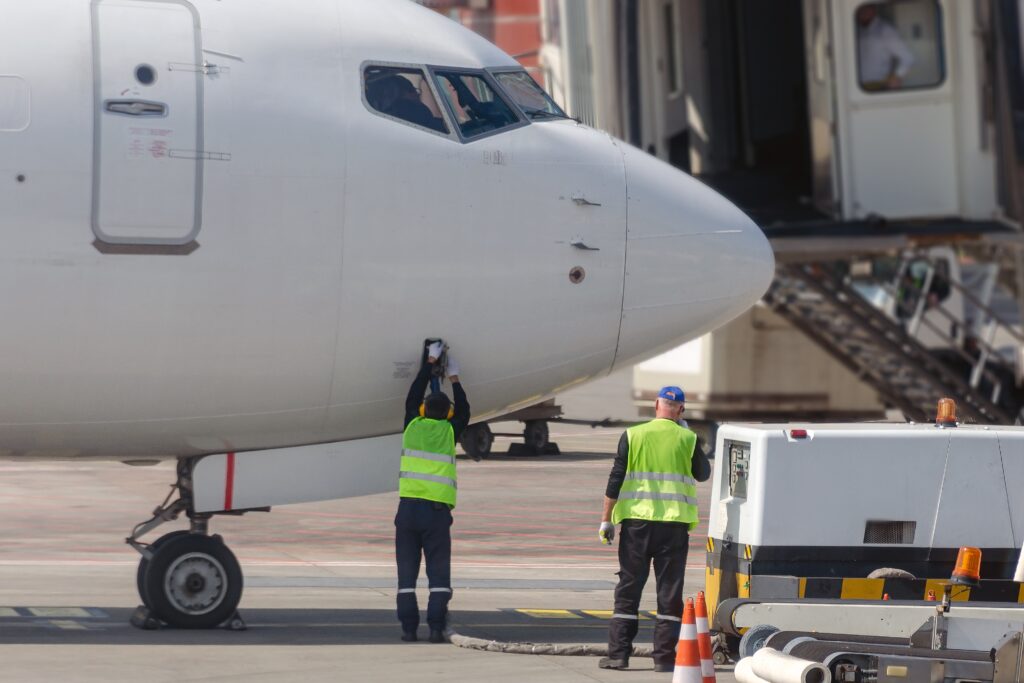
- The Schedule: This was achieved by performing five “sectors” a day—shuttling between hubs like London, Budapest, Dubai, and Madrid—with ground “turnaround” times as short as 35 minutes. Efficient ground operations are critical, as avoiding mistakes during these high-pressure phases is what separates top-tier airlines from the rest.
The Ocean Crossers: Long-Haul Giants
For wide-body aircraft, the hours add up quickly due to the sheer length of transcontinental flights.
- The Marathon Runner: A Boeing 787-9 Dreamliner completed a massive Sydney-to-Dallas leg (approx. 15 hours) and was back in the air heading toward its next destination after just a brief crew rest. This aircraft spent nearly 34 out of 48 hours above the clouds!
- The Ultra-Long Haul: Several Airbus A350-1000s recorded over 30 flight hours this weekend on routes like Doha to New York. Operating these massive jets requires advanced training, and many pilots transition to these roles after deciding between PPL and CPL career paths early in their journey.

The Night Owls: Cargo Operations
While passenger traffic slowed down on Sunday evening, the cargo giants (FedEx, UPS, DHL) were just getting started. The Boeing 747-8F fleet saw heavy utilization across three continents, transporting electronics from Asia to Europe and the US. These operations often fly through the night, a demanding environment that pilots prepare for during specialized Night Rating training.

The Big Picture: Weekend Stats in Review
Looking at the broader scale of operations for February 21-22, the numbers highlight an incredibly busy period for global aviation. The network tracked approximately 215,000 flights over the 48-hour window, with the highest concentration of traffic flowing through major international hubs like Atlanta (KATL) and Dubai (OMDB).
While the long-haul giants covered the most distance, the average short-haul aircraft maintained a relentless pace, clocking in a daily utilization of about 10.5 hours per plane. The ultimate feat of endurance this weekend was a non-stop flight from New York to Singapore, which kept its crew and passengers in the air for a staggering 18 hours and 45 minutes of continuous flight time.
How Can You Track These Stats?
If you want to investigate a specific aircraft’s performance:
- Search the registration (e.g., N123AB) on a flight tracker.
- Scroll to the “Recent Flights” section.
- Sum up the “Flight Time” values for Saturday and Sunday.
Final Thoughts
An aircraft only makes money when it is in the air. The data from February 21-22 shows the incredible logistical precision required to keep millions of dollars worth of machinery flying safely and efficiently.