What if sport pilot training could get you flying for half the cost and half the hours of a private license? That’s the promise.
Created in 2004—and expanded through MOSAIC in 2025—sport pilot training makes flying affordable and accessible. No medical certificate? No problem. Just a valid driver’s license and a willingness to learn.
But there’s a catch. Sport pilots have limits. Do those restrictions fit your flying dreams?
Let’s explore what sport pilot training really involves, how much it costs, and whether it’s the right path for you.
What Is a Sport Pilot Certificate?
The sport pilot certificate is the FAA’s entry-level license—faster and cheaper than a private license.
Who can become a sport pilot?
- At least 16 to start, 17 to test
- Read, write, speak English
- Valid driver’s license (most cases)
- Student pilot certificate
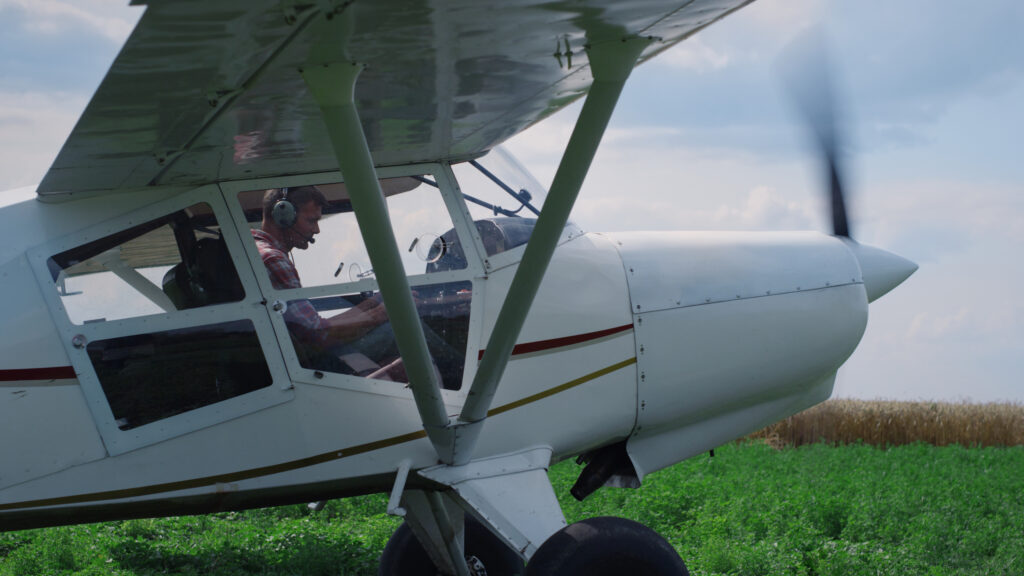
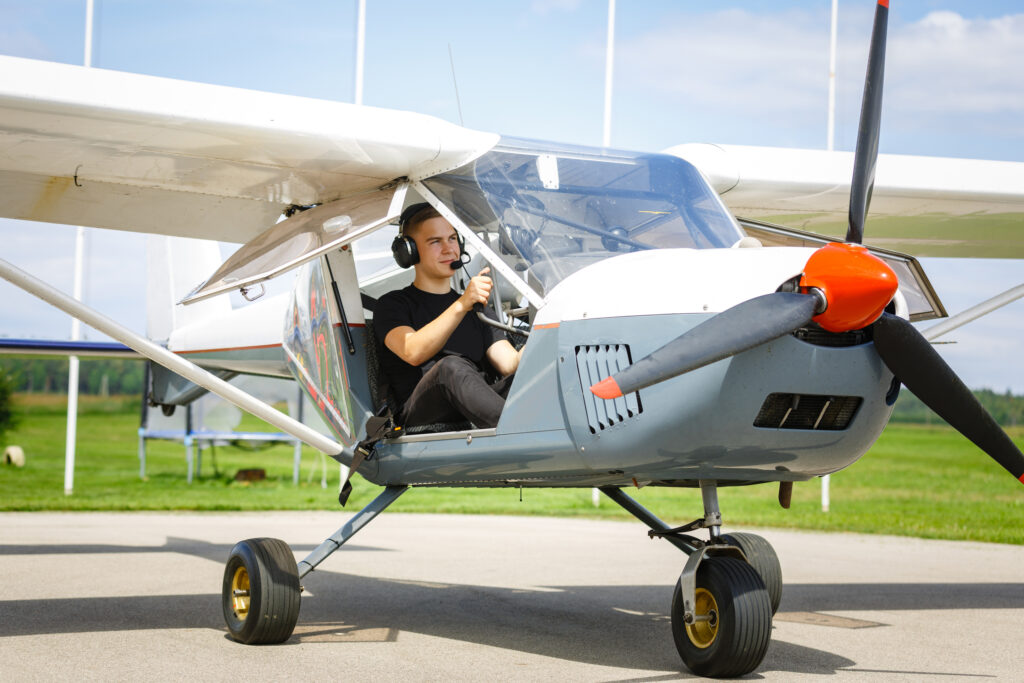
What can you fly? Light Sport Aircraft (LSA)—small, simple planes under 1,320 lbs, two seats, fixed gear, one engine.
Sport Pilot vs Private Pilot License
What sets sport pilot apart from private pilot? This comparison tells you.
| Factor | Sport Pilot | Private Pilot |
| Medical | Driver’s license | 3rd class medical |
| Minimum Hours | 20 | 40 |
| Aircraft | LSA | Unlimited |
| Passengers | 1 only | No limit |
| Night Flying | Not allowed | Allowed |
| Airspace | No towered airspace without endorsement | All airspace |
| Flight Outside US | Not allowed | Allowed |
| Visibility Minimum | 3 miles | 1 mile in some conditions |
The bottom line: Sport pilot gets you flying faster and cheaper. Private pilot gives you more freedom and flexibility.

Sport Pilot vs Recreational Pilot License
Another entry-level option worth considering is the recreational pilot training. Here’s how it compares.
| Factor | Sport Pilot | Recreational Pilot |
| Medical | Driver’s license | 3rd class medical |
| Minimum Hours | 20 | 30 |
| Aircraft | LSA (2 seats) | Up to 4 seats |
| Night Flying | Never allowed | Add-on rating possible |
Recreational pilot training means more hours and a medical, but bigger aircraft.
Sport Pilot Limitations: What You Can’t Do
Before committing, know sport pilot limitations:
- No paid passengers or business flights
- Daytime only, 3 miles visibility minimum
- Maximum altitude below 10,000 feet MSL
- One passenger only
- Towered airspace requires extra instruction
These sport pilot restrictions are the tradeoff for lower cost and no medical. If they fit your flying goals, you’re set.
How Much Does Sport Pilot License Cost?
Sport pilot license cost is a major selling point. While private runs $7,000–$9,000, sport pilot averages $4,400–$5,500.
Realistic breakdown (25–35 hours of training):
- Aircraft rental: $3,125 – $4,375
- Dual instruction: $600 – $800
- Written exam: ~$100
- Checkride fee: $300 – $600
- Materials: ~$250
- Total: $4,375 – $6,125
Reality check: Most students take 30–35 hours, not just the 20-hour minimum.

Sport Pilot Training Near Me: How to Find a School
When you start searching for sport pilot training near me, focus on three things.
- Aircraft: Flight Design CT, Aeronca Champ, Piper Cub—any LSA
- Program: Ask if they have a sport pilot program (not all do)
- Instructor: Regular CFIs can teach, but verify they’re comfortable with sport pilot curriculum
Where to look: Local flight schools with LSAs, EAA chapters, and ask about accelerated sport pilot training if you want to finish fast.
Accelerated Sport Pilot Training Options
Accelerated sport pilot training compresses your license into 1–3 weeks of full-time training. Expect 4–6 hours daily, covering ground school and flight instruction.
Search for accelerated sport pilot training near me—warm-weather states like Florida, Arizona, and California are popular for these programs.
The tradeoff? Higher weekly cost, but lower total if you finish fast. Full-time commitment required.
Sport Pilot Ground School and Training Steps
Sport pilot ground school covers aerodynamics, regulations, weather, navigation, and aircraft systems. Complete it from home or in person with an instructor.
The training path:
- Student certificate: Apply through IACRA online.
- Medical: Use your driver’s license. If you’ve had an FAA medical denied or revoked, you’ll need the medical process. Our quick guide to FAA medical certification walks you through it.
- Ground school: Complete and pass the FAA knowledge test.
- Flight training: Minimum 20 hours (15 dual, 5 solo). Most take 30–35 hours.
- Checkride: Pass the practical test with a DPE or SPE.

Sport Pilot ACS and PTS: What You’ll Be Tested On
The sport pilot ACS (Airmen Certification Standards) or older sport pilot PTS (Practical Test Standards) outline what you’ll demonstrate on your checkride.
You’ll demonstrate:
- Preflight, takeoffs, landings, go-arounds
- Flight and ground reference maneuvers
- Navigation and cross-country planning
- Emergency and post-flight procedures
Your instructor ensures you meet these standards before signing you off.
MOSAIC Sport Pilot: What’s Changed?
On July 24, 2025, the FAA’s MOSAIC sport pilot rule took effect, significantly expanding the aircraft sport pilots can operate.
What changed? Sport pilots can now fly aircraft with retractable landing gear and manual controllable pitch propellers. With additional night rating training, night operations become available. Performance limits have also expanded beyond the original LSA definition.
For those willing to pursue extra endorsements, sport pilot training now offers far more utility than before.
The Bottom Line
Sport pilot training gives you wings faster and cheaper than any other FAA certificate. The tradeoff? Real limitations on where, when, and how you fly.
If those limits fit your flying dreams, you’ve found your path. If you need more freedom, private pilot awaits.
Either way, you’re closer to the sky than you were before.