In the world of aviation, communication is everything. While most flights use their airline name and a number (like “Delta 123”), some carry legendary callsigns that sound more like superhero names than commercial airliners. As we fly through 2026, these unique identifiers are not just about tradition—they are a vital part of clear communication in increasingly crowded skies.
Why does British Airways use “Speedbird,” and why does a flight sometimes become “Clipper”? Let’s decode the secret language of the cockpit.
The Legends: Speedbird, Shamrock, and Clipper
Some callsigns are so iconic they have outlived the original companies or branding.
· Speedbird (British Airways): Taken from the logo of Imperial Airways in the 1930s, it remains one of the most prestigious names in the sky.
· Shamrock (Aer Lingus): A nod to Ireland’s national symbol, ensuring every controller knows exactly which country the aircraft represents.
· Clipper: Historically used by Pan Am, this callsign occasionally resurfaces in special operations or as a tribute to the golden age of flight.
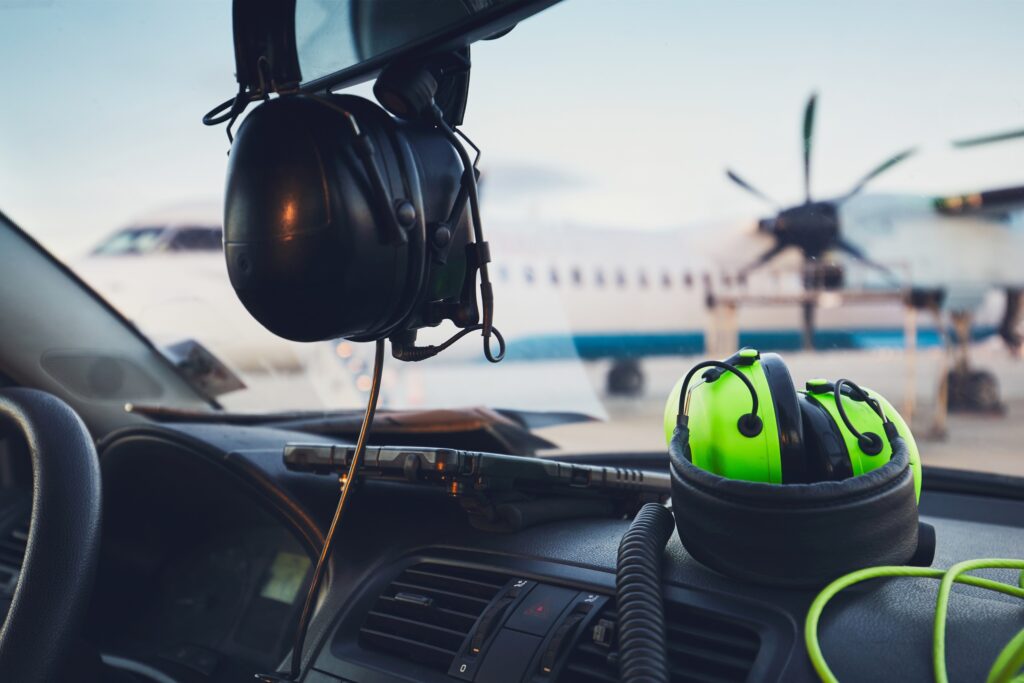
· The Training Side: Learning to recognize these rapidly in a busy radio environment is a skill every student pilot must master. Many start practicing this early by using modern flight simulation and video games to get used to the “chatter” of Air Traffic Control.

The “Heavy” and “Super” Suffix
You might hear a flight identified as “United 901 Heavy.” This isn’t just a nickname; it’s a safety requirement.
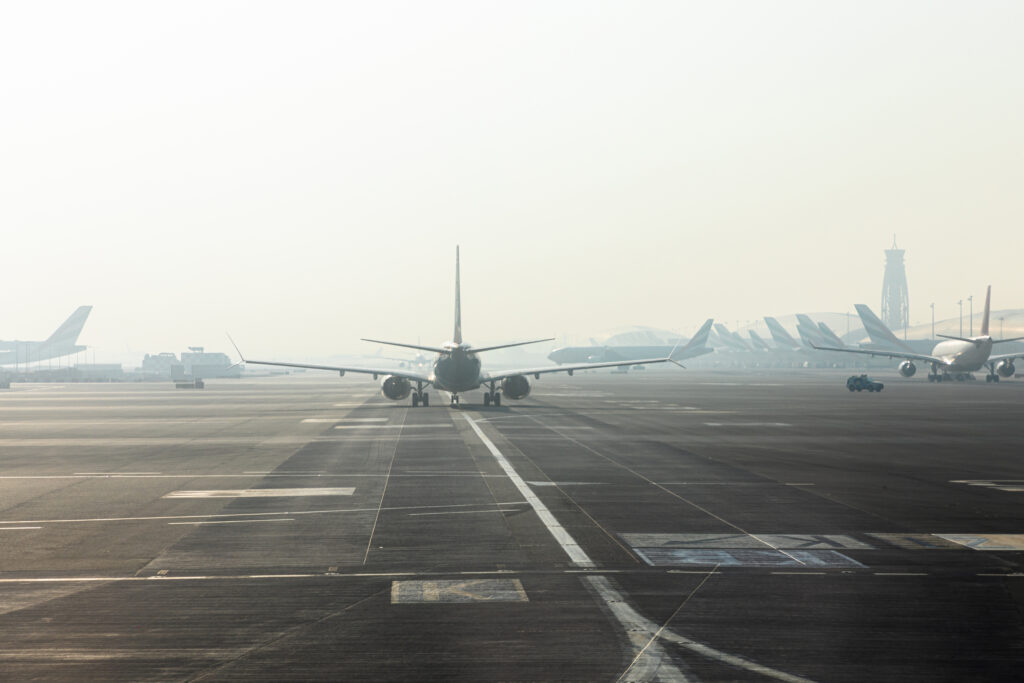
· Wake Turbulence: “Heavy” tells the controller and other pilots that the aircraft is large enough to create dangerous wake turbulence. In 2026, with the return of massive jets on long-haul routes, this distinction is life-saving.
· Super: Reserved for the Airbus A380, the largest passenger jet in the sky.
Marketing in the Air: Special Callsigns
Airlines often use special callsigns for inaugural flights or charity events. For example, a flight carrying a sports team might use a callsign related to the club’s nickname.
· The Digital Edge: In 2026, tracking these “easter eggs” has become a hobby for millions of plane spotters globally. This intersection of tech and aviation is a huge draw for new students, as AI and VR are reshaping pilot training worldwide, making even the most complex radio procedures easier to learn.
Why Clarity is King
At the end of the day, a callsign must be easy to say and impossible to confuse with another flight. This level of standardized communication is a core pillar of aviation safety. For those looking to enter the professional world, understanding the “why” behind these rules is a key part of mastering the complex ATPL subjects required for a commercial license.
Conclusion: The Secret Code of the Sky
Next time you’re on a plane or listening to a scanner, listen closely. You’re not just hearing flight numbers; you’re hearing a century of aviation history. Whether it’s a “Speedbird” crossing the Atlantic or a “Heavy” landing in Dubai, these names are the heartbeat of global flight.