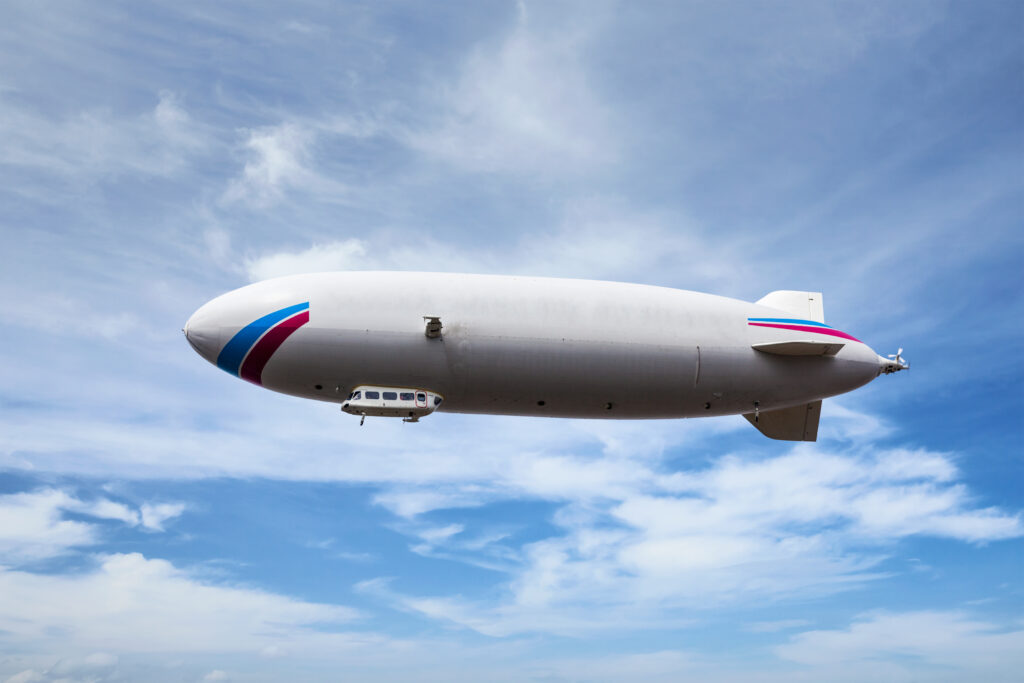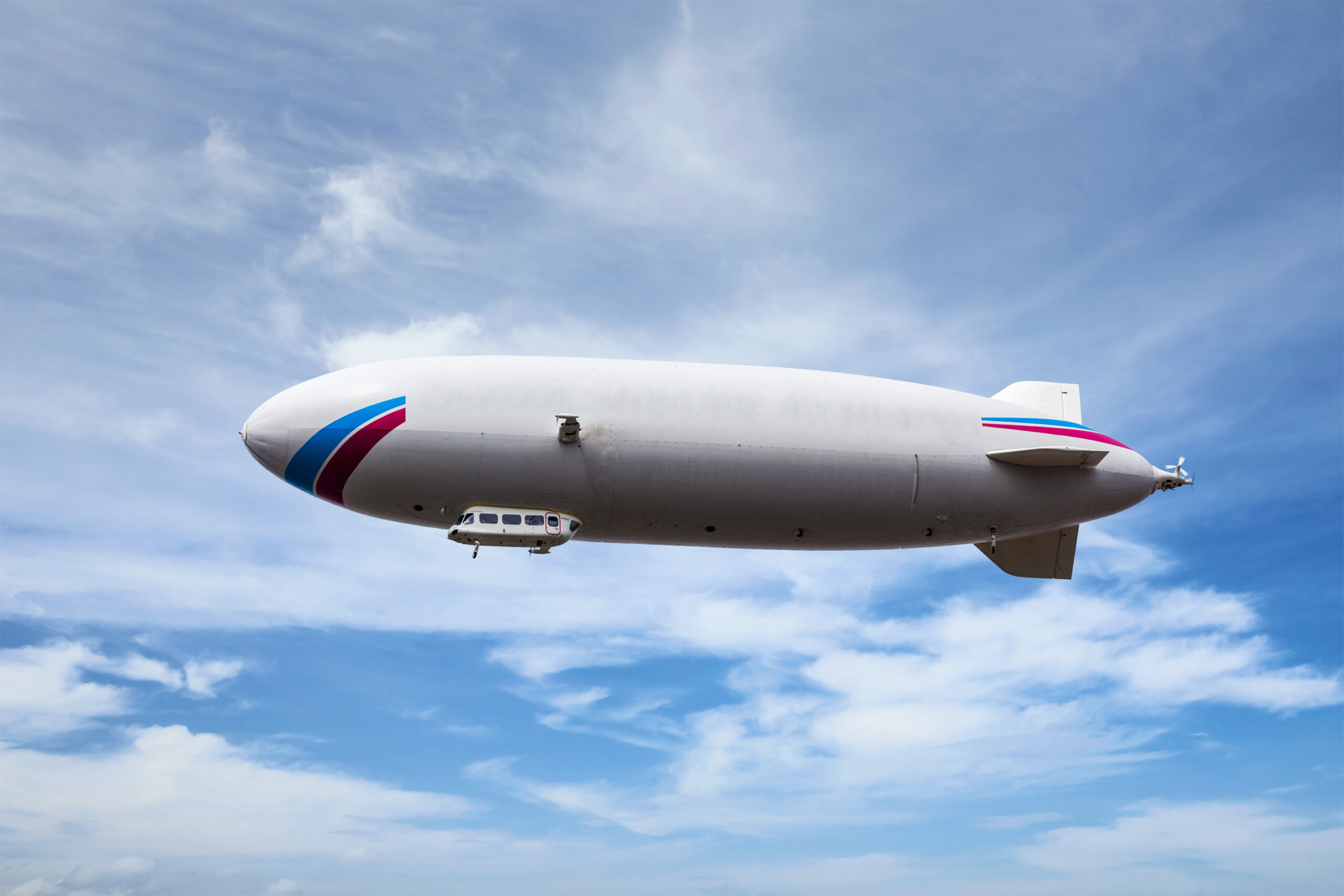
With only 40 to 50 active blimp pilot positions worldwide, this career is rarer than astronaut.
If you’ve ever watched a Goodyear blimp drift overhead and wondered how to get that job, you’re not alone. But you won’t find blimp pilot training at any flight school—because it doesn’t exist that way.
Instead, you build traditional flight experience, get hired by a company like Goodyear, and train on the job. A Goodyear blimp pilot job means slow, scenic flights over major events and a view of the world few ever experience.
Ready to learn about one of aviation’s rarest careers? Let’s dive in.
First, the Hard Truth: There’s No Blimp School
Here’s what makes this career different: blimp pilot training is something you receive after being hired, not before. There are no flight schools offering instruction or a path to a blimp pilot license.
Kristen Arambula, one of just three female blimp pilots worldwide, stumbled into her Goodyear blimp pilot job while teaching at an airport that happened to be a blimp base. She called, interviewed, and was hired. Her story is worth reading.
The lesson? Find the company, and they’ll provide the blimp pilot training.
What Do Blimp Companies Look For?
Since blimp pilot training happens in-house, companies don’t take shortcuts on who they hire. Here’s what they look for:
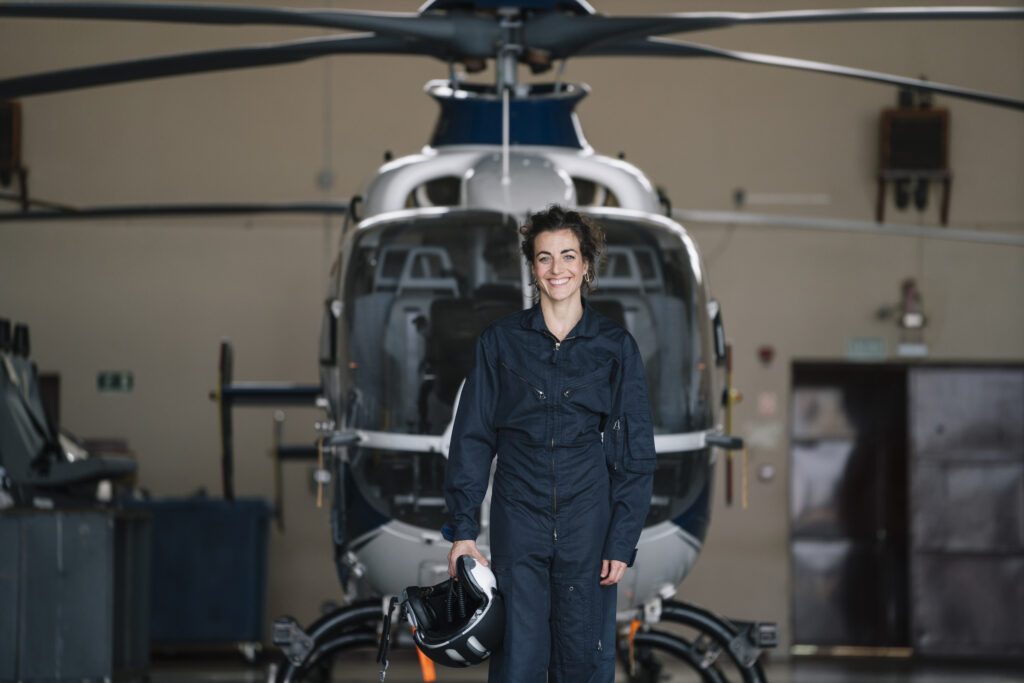
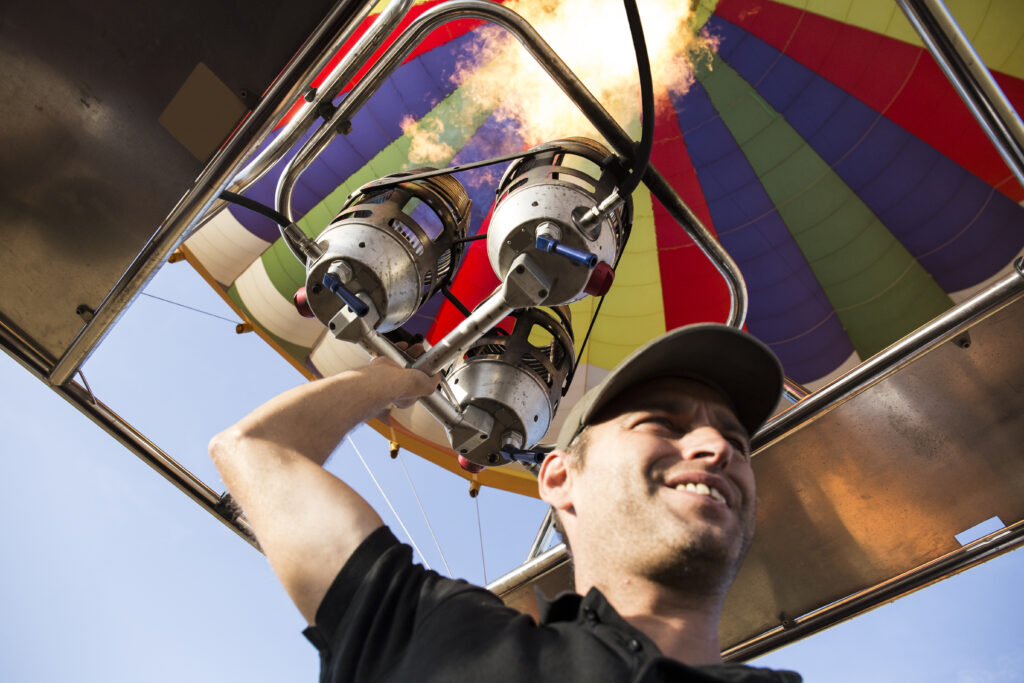
Minimum requirements: You’ll need a Commercial Pilot Certificate (airplane, helicopter, or even hot air balloon), an instrument rating, and strong flight experience. If you’re starting from zero, our article on flight school requirements breaks down the first steps.
What companies prefer: 1,200+ hours, a CFI certificate, multi-engine experience, clean record and the ability to handle public relations (you’ll be in the spotlight). For context on how these hour requirements stack up against other pilot paths, check out our guide on how many flight hours you need for different certificates.
The two main operators have different tastes: Goodyear recruits from airlines and corporate aviation, while AirSign seeks balloon and helicopter pilots used to life on the move.
What Does Blimp Pilot Training Actually Look Like?
Once hired, your real blimp pilot training begins—and it’s not quick.
How long it takes: The FAA minimum for transition is 50 hours. Reality? Most need 250-400 hours before solo. Some finish in two months, others take nine, depending on workload.
Why it takes so long: No autopilot. Blimps demand constant hands-on control. As one chief pilot Terry Dillard of AirSign puts it: “Nobody’s going to give you their blimp after 50 hours. You know enough to get in trouble, but not enough to get out.”
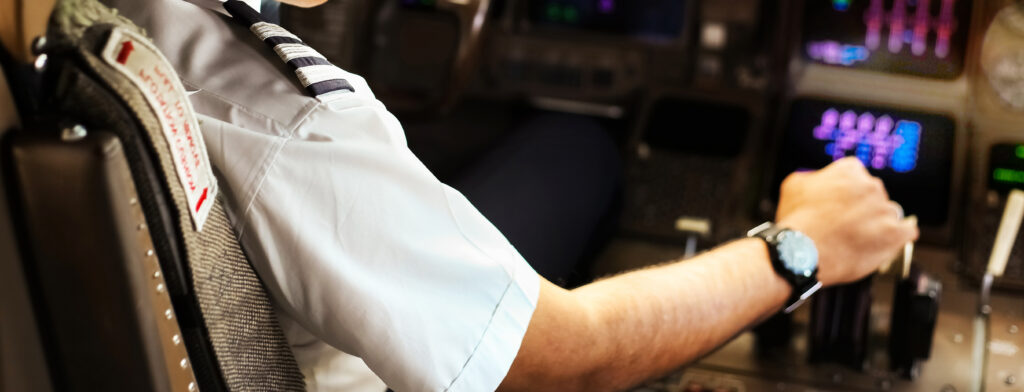
No simulators: There are none. You can’t simulate the atmospheric chaos that defines airship flying.
What you learn: Ground school on systems and weather, hands-on flight training, mooring operations, low-altitude navigation, and handling diverse conditions across the country. The blimp pilot salary eventually reflects this hard-earned expertise.
How Much Does a Blimp Pilot Make?
The average blimp pilot salary in the US is $130,916 per year—roughly $63 per hour. Salaries typically range from $100,000 to $155,000, with top earners reaching $201,500. Entry-level positions start around $49,500.
What affects pay?
- Location: Some cities pay 25-35% above the national average.
- Experience: A senior Goodyear blimp pilot earns more than newcomers.
- Type of work: Advertising and specialized missions pay differently.
The bottom line: The market is small, but the pay reflects the rarity of the skill. And with blimp pilot training covered by your employer, the total package is even more valuable.
Is Blimp Pilot Training Worth It?
Every unique career comes with trade-offs. Here’s what to weigh before pursuing blimp pilot training.
Pros:
- One of the rarest, most unique careers in aviation
- Company-paid training
- Unforgettable views and experiences
- Strong team culture
- Work with charities
Cons:
- Extremely competitive
- Must build significant flight experience first
- Life on the road—some spend over 300 nights a year in hotels
- Weather-dependent operations
- Slow pace (if you want speed, this isn’t it)
- Training takes months to years of dedication
Final Thoughts
The blimp pilot path is unconventional: build flight hours, get hired, then train on the job. It takes time, patience, and a tolerance for hotel living.
In return? A six-figure salary, unforgettable views, and a career rarer than astronaut. If that sounds like you, start watching for openings at Goodyear and AirSign.