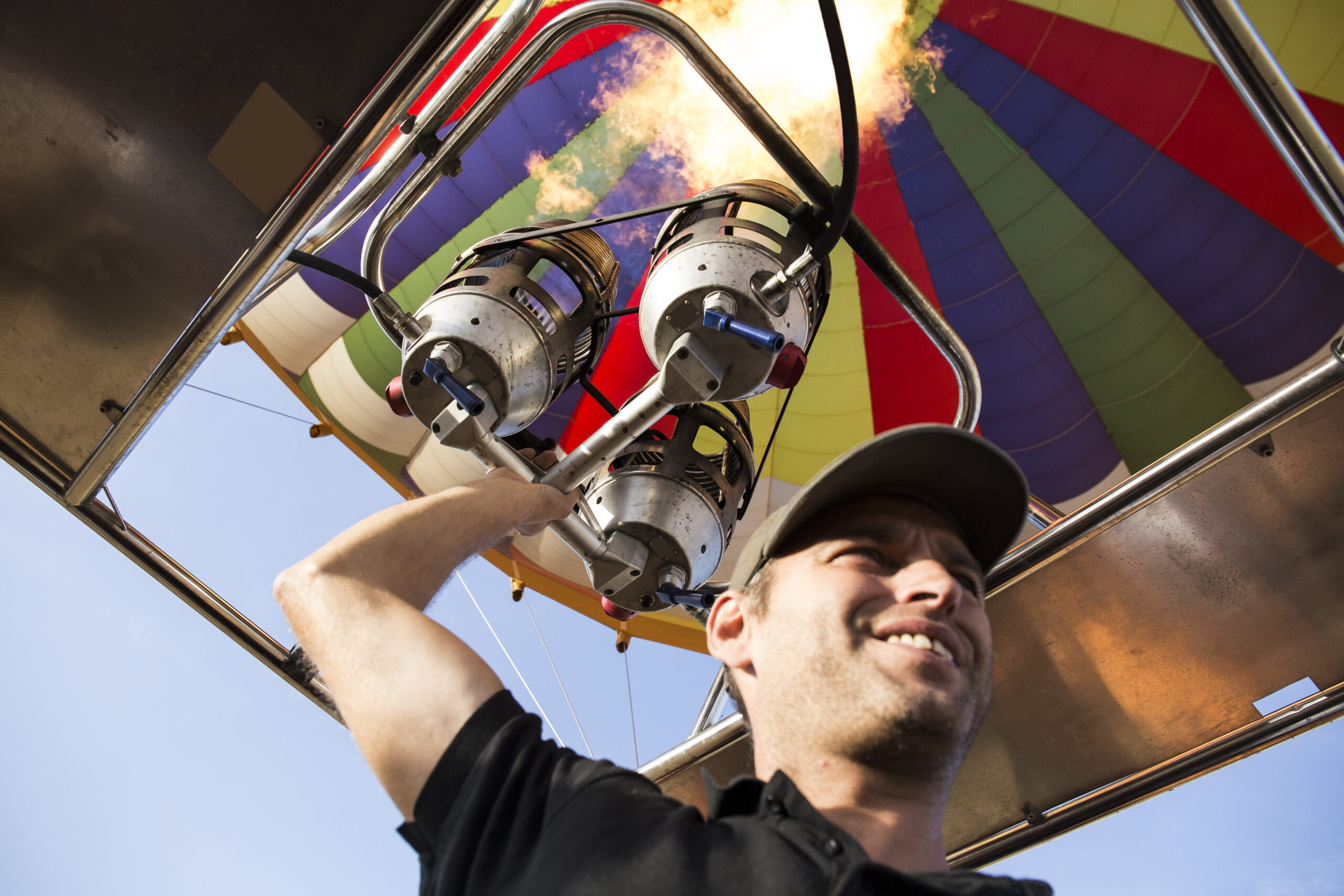
If you feel overwhelmed by the traditional pilot path and haven’t yet found your aviation persona, hot air ballooning offers something refreshingly different. No crowded cockpits. No complex instrument panels. Just you, the wind, and the sky.
Hot air balloon pilot training is one of aviation’s most accessible paths. Medical requirements are minimal, flight hour minimums are lower than airplanes, and the community is famously welcoming.
This guide covers hot air balloon pilot training: license requirements, costs, FAA vs UK/EU rules, and life after licensing. Keep reading to learn it all.
What Does a Hot Air Balloon Pilot Do?
The life of a hot air balloon pilot varies. While some fly for recreation, others build careers around it.
Typical activities include:
- Fly passengers on commercial sightseeing tours
- Compete in balloon festivals and accuracy competitions
- Perform promotional flights for brands and eventsInstruct new pilots
- Travel the world attending fiestas and rallies
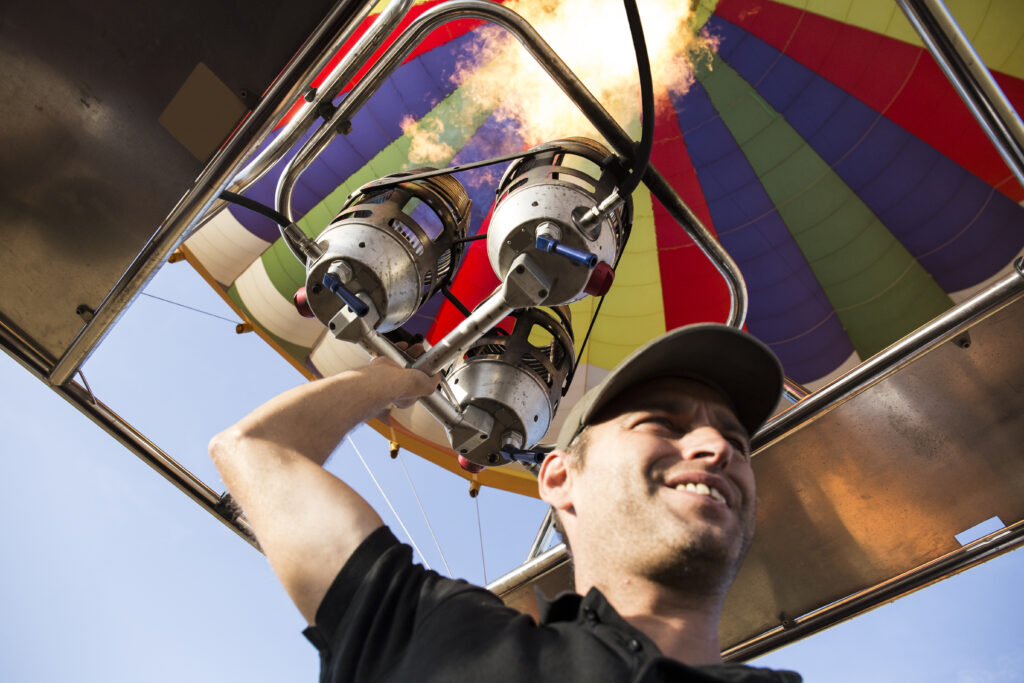
A day in the life: Ballooning is an early morning profession. Pilots wake long before sunrise to check weather, prepare equipment, and fly as dawn breaks. The reward? Watching the world wake up from complete silence. One pilot’s story captures it perfectly.
Do You Need a License to Fly a Hot Air Balloon?
Yes. Hot air balloons are aircraft, and flying one requires proper certification.
There are two main license levels:
| License | What It Allows | Minimum Age |
| Private Pilot (PPL) | Fly passengers, but not for hire | 16 |
| Commercial Pilot (CPL) | Fly for hire, can instruct others | 18 |
Private pilots may carry friends and family and can share the cost of flights—but cannot be paid. Commercial pilots can operate sightseeing businesses, provide flight instruction, and fly commercially.
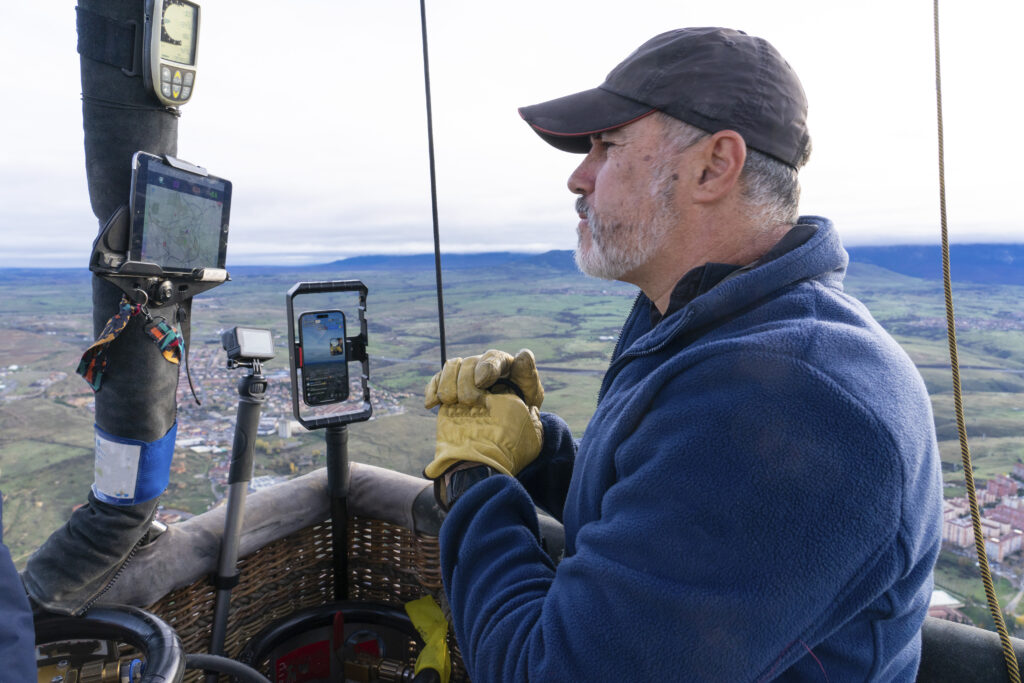
Hot Air Balloon Pilot License Requirements
Balloon pilot requirements vary by region. Here’s how the FAA (US) and UK/European systems compare.
| Certificate | FAA (United States) | UK / Europe |
| Student Pilot | Age 14+, no medical, self-certify fitness | Age 14+, must register with national organization |
| Private Pilot | Age 16+, 10 flight hours, 6 flights with instructor, 1 solo, FAA Knowledge Test | Age 16+, 16 flight hours, 4 with instructor, 12 with qualified pilot, 5 written exams |
| Commercial Pilot | Age 18+, 35 hours total (20 in balloons), 10 flights, 10 hours instruction, advanced test | Age 18+, 75 hours total, 60 PIC, 15 hours instruction, Class 1/2 medical, 5 advanced exams |
| Medical | None required (self-certify fitness) | Private: none; Commercial: Class 1 or 2 |
Key differences:
- FAA requires fewer flight hours at every level
- UK/Europe requires formal written exams; FAA uses Knowledge Tests
- Medical requirements are stricter in Europe for Commercial pilots
- FAA allows self-certification; UK/Europe requires medical for Commercial
Both regions share: The need for practical flight tests, instructor sign-offs, and a commitment to safety.
A Step-by-Step Balloon Pilot Training Timeline
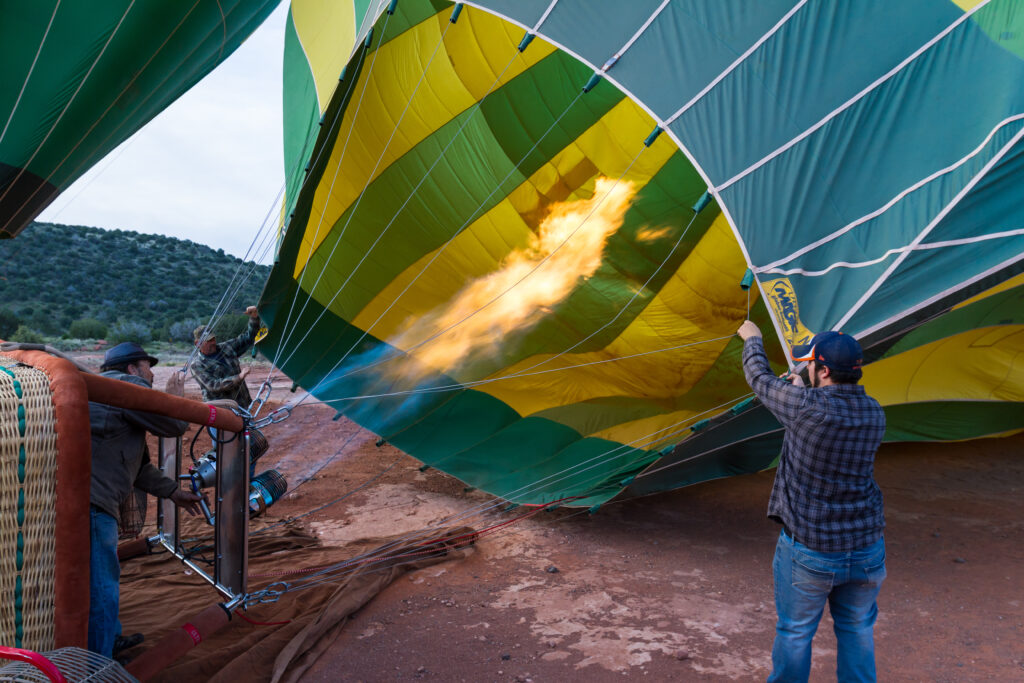
Step 1 – Start as Crew: Become chase crew first. You’ll assist with setup, inflation, launch, and pack-up—learning ballooning without the pressure of flying.
Step 2 – Get Your Student Certificate: Apply for your Student Pilot Certificate (FAA) or register with your national organization (UK: BBAC).
Step 3 – Complete Ground School: Study Air Law, Navigation, Meteorology, Human Performance, Balloon Systems, and Flight Planning.
Step 4 – Flight Training: Work with an instructor on inflations, launches, landings, ascents, emergencies, and your solo flight.
Step 5 – Pass Written Exams: Complete the FAA Knowledge Test or UK/EU written exams. They’re multiple-choice and manageable with proper study.
Step 6 – Pass Practical Test: Demonstrate your skills during the checkride (FAA) or General Flight Test (UK)—including oral and flight portions.
Step 7 – Get Your License and Keep Learning: You’re a balloon pilot! Now you can add privileges, attend festivals, or pursue your Commercial license.
How Long Does Balloon Pilot Training Take?
Most student pilots complete their training within about one year. Some finish in as little as six months.
That’s a remarkably short pilot training timeline compared to the years airline-bound pilots spend building hours.
What affects your timeline:
- Weather conditions (balloons fly in calm winds)
- How often you can train
- Instructor availability
- How quickly you master the skills
Whether you want to rush through or savor every lesson, balloon training adapts to you.
Life After Licensing
Your balloon pilot license opens doors to new adventures:
- Fly at Festivals: Travel the world attending hot air balloon fiestas, entertaining thousands.
- Competetion: Test your skills in accuracy competitions—dropping markers on targets from the sky.
- Instruction: With a Commercial license, you can train the next generation of balloonists.
- Own Your Balloon: Many pilots eventually buy their own balloon. New ones range from $20,000 to $100,000+.
Add Privileges: Pursue additional ratings: night flying, gas balloons, or even hot-air airships.
Conclusion
Few aviation paths are as accessible and magical as hot air ballooning. Whether you want to fly commercially, compete, or simply float with loved ones, the sky awaits.
Start by exploring hot air balloon pilot training near me—find a club, introduce yourself, and ask about crewing opportunities. The community welcomes beginners.