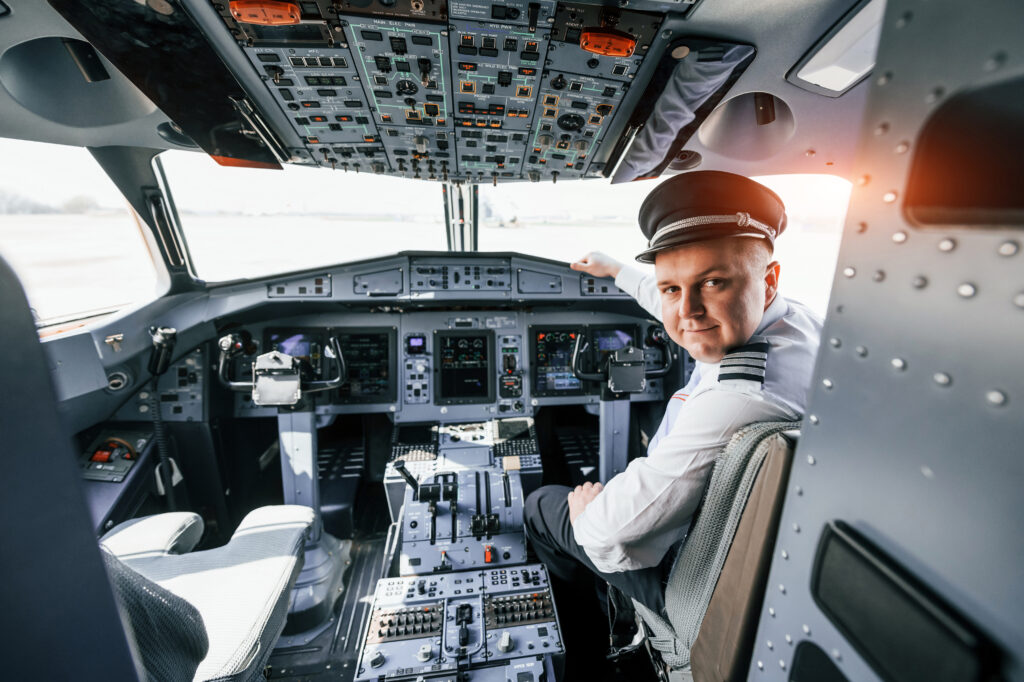
In the quiet cockpit of a modern jet in 2026, a bird strike remains one of the few unpredictable variables that can turn a routine climb-out into a critical emergency in milliseconds. While we’ve seen massive leaps in engine durability, the fundamental physics of a high-speed impact haven’t changed.
When a 4 kg Canada Goose meets a jet traveling at 250 knots, it isn’t just an animal—it’s a kinetic energy weapon. Let’s dive into the ballistics of bird strikes and how the industry tests for the “unthinkable.”
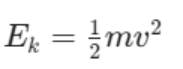
1. The Brutal Math:
The destructive power of a bird strike is defined by its kinetic energy. Because velocity (v) is squared in the equation, even a small increase in airspeed results in a massive increase in impact force.
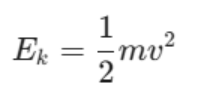
- The Reality: A 4 kg bird hitting an aircraft at 250 knots (approx. 128 m/s) delivers an impact energy of roughly 33,000 Joules. That is equivalent to being hit by a 1-ton car traveling at 30 km/h, but concentrated on a tiny surface area.
- The Pilot’s Perspective: Understanding these energy states is a crucial part of mastering the ATPL subjects of Airframes and Powerplants, where students learn exactly how much stress a turbine blade or a cockpit window can handle before structural failure.
2. The “Chicken Gun”: Testing to the Limit
How do engineers know a windshield won’t shatter? They use the “Chicken Gun” (officially the Large Bird Direct Impact Test).
- The Setup: A high-pressure pneumatic cannon fires real (dead) or gelatin-based “artificial birds” at aircraft components at speeds exceeding 400 knots.
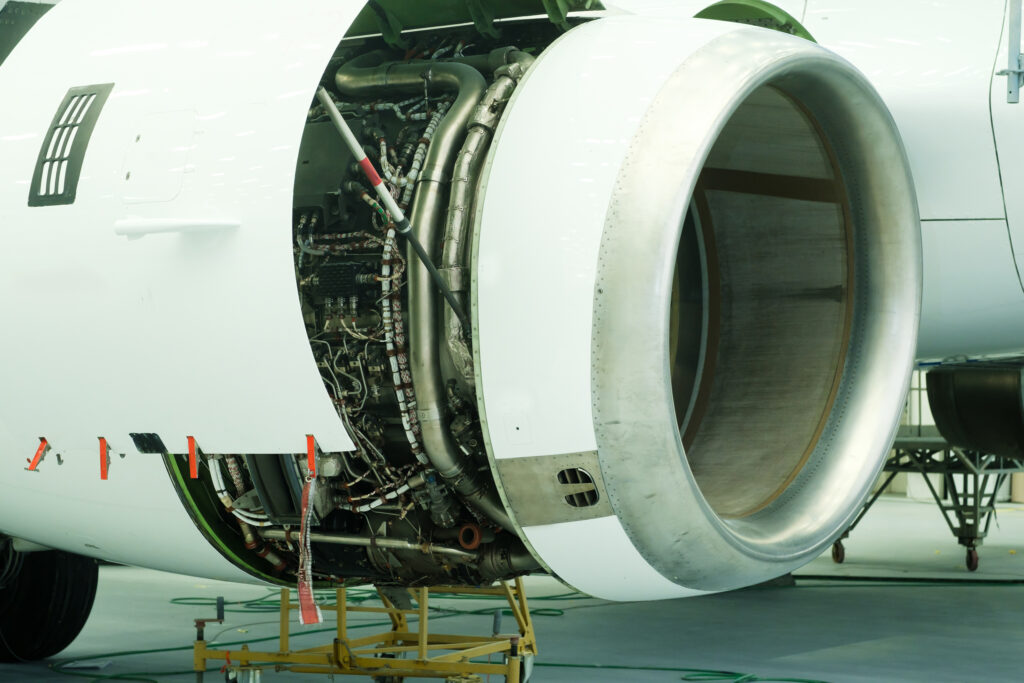
- Engine Ingestion: For engines, the test is even more extreme. The “Bird Ingestion Test” requires the engine to either continue running at a specific power level after “eating” a medium bird or to shut down safely without throwing shrapnel through the wing (uncontained failure).
- Simulation vs. Reality: Today, many of these “destructive” tests are first run in virtual environments. AI and VR are reshaping how pilots train for these failures, allowing crews to experience the vibrations, smells, and sounds of a bird ingestion in a safe, data-driven simulation.
3. 2026 Technology: Prevention through Light and AI
We’ve moved past simple “scarecrows” at airports. 2026 brings high-tech deterrents directly onto the aircraft and the airfield:
- Pulsing LED Landing Lights: Research has shown that certain frequencies of pulsing LED lights (especially in the UV spectrum) are much more visible to avian eyes, giving them enough “warning time” to dive away from the flight path.
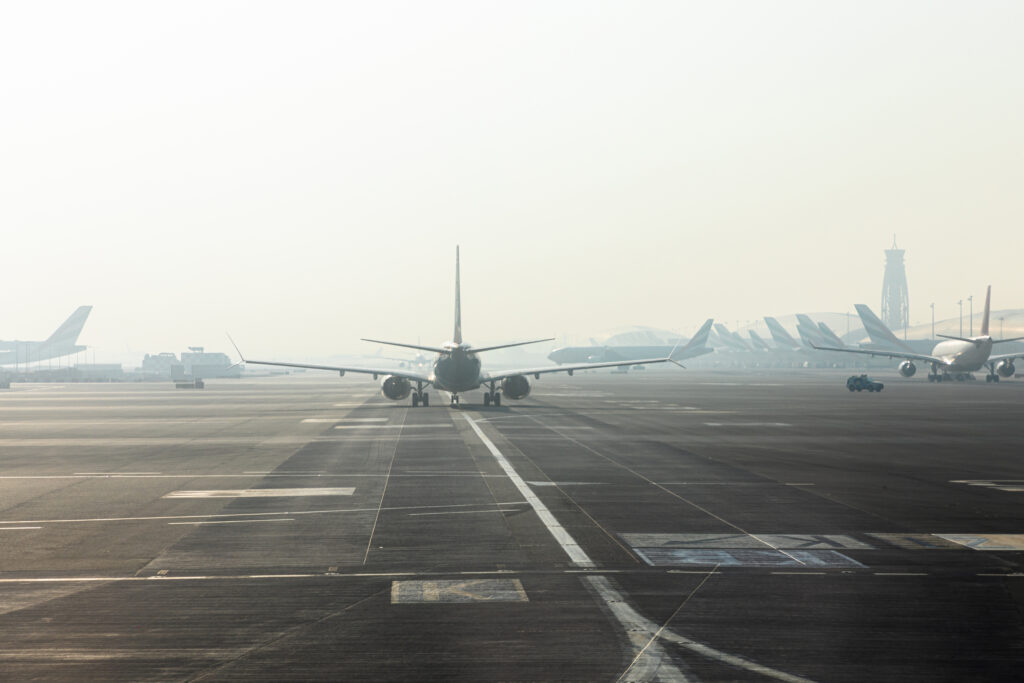
- Avian Radar & AI: Modern airports now use 3D Avian Radar integrated with AI that predicts bird migration patterns in real-time. This data is pushed directly to the pilot’s EFB (Electronic Flight Bag), allowing for “Tactical Bird Avoidance” during taxi and takeoff.
- Practice Makes Perfect: Since bird strikes often happen during high-workload phases, pilots practice “Surprise Bird Strike” scenarios. Some even use high-fidelity flight simulators and games to hone their “aviate, navigate, communicate” flow when a simulated engine suddenly loses thrust at V1.
Conclusion: Respecting the Physics
A bird strike is a reminder that we share the sky. While 2026 technology gives us better eyes and tougher engines, the ultimate defense remains a pilot who understands the ballistics, respects the energy, and is prepared for the split-second decision-making required when feathers fly.