
Imagine showing up for a job interview with a logbook full of scribbles, cross-outs, and missing signatures. Not a great first impression.
Your pilot logbook is more than just a record of hours. It’s your professional resume, your legal proof of experience, and sometimes the difference between getting hired or passed over.
Whether you prefer a paper pilot logbook or a digital pilot logbook, keeping it accurate and organized is non-negotiable.
Keep reading to learn why your logbook can make or break your aviation career.
Why Your Pilot Logbook Matters
Every flight you log tells a story. Recruiters, training departments, and the FAA use your pilot logbook to verify your qualifications, confirm minimum hours, and assess your progression as a pilot.
How much pilot training cost you’ve invested is irrelevant if your logbook is a mess. Clean, accurate records demonstrate professionalism and attention to detail. Even small inconsistencies can raise questions during a review.
Your pilot logbook entries are documented proof of your training. Keep them neat and accurate to advance your career, and learn ways to effectively build your flight hours to turn your logbook into real progress.
Paper vs Digital Pilot Logbook
Choosing between a paper pilot logbook and a digital pilot logbook is one of the first big decisions you’ll make as a pilot.
Paper Pilot Logbook
The traditional choice. No learning curve. No batteries. No Wi-Fi needed. Schools and employers accept it without question.
The downsides? Pages run out, vulnerable to spills or loss, manual math almost guarantees an error and pulling specific totals is a headache.
Popular paper pilot logbook options include the Jeppesen professional pilot logbook, ASA standard pilot logbook, and Gleim pilot logbook.
Digital Pilot Logbook
The modern alternative. Math is automatic. Edits are easy. Cloud backup keeps your data safe.
The downsides? Learning curve upfront, battery and tech dependent, subscription fees add up.
Popular digital pilot logbook options include Logten pilot logbook, MyFlightbook, and Garmin pilot logbook. The best digital pilot logbook for you depends on your needs.
How to Fill Out a Pilot Logbook
Learning how to fill pilot logbook correctly is a skill every aviator needs to master.
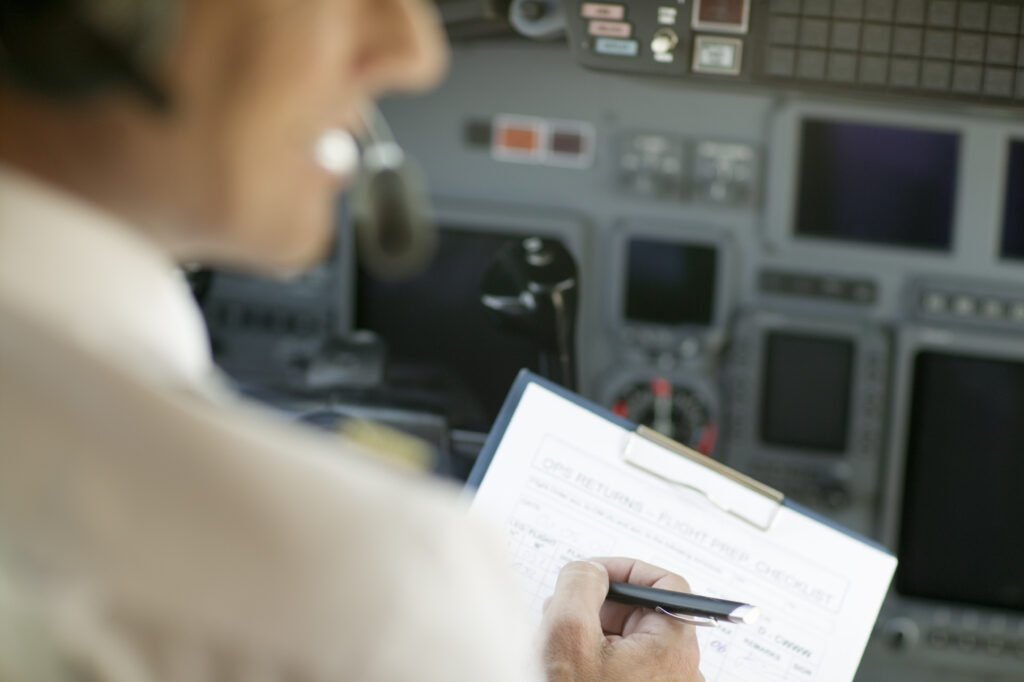
Pilot logbook fill out starts with black or blue ink—never pencil. Lead fades, smudges, or erases. Sign every page. Total every column, even if you logged zero hours.
A standard pilot logbook entry includes:
- Date, aircraft type, route
- Conditions (day/night/IFR)
- Type of experience (PIC, solo, instruction received)
- Total flight time
Examples: “C172 N12345, KABC to KDEF, 2.5 hours, day VFR, 3 landings, PIC.” Simple. Clear. Accurate.
Made a mistake? Cross it with a single line. Initial it. Write the correction on the next line. Avoid whiteout—some interviewers see it as unprofessional.
Pilot Logbook Endorsements and Signatures
Pilot logbook endorsements are critical for student pilots and anyone working toward a new certificate or rating. Your instructor must sign and include their certificate number.
Every pilot logbook entry for instruction received should note who provided it and what maneuvers were practiced. These details give context to your logged hours and demonstrate structured training progression.
For checkride failures, document them clearly. Transparency is key. Tab or mark any checkride failures so you can find them easily during interviews
Backup Your Logbook
One of the biggest mistakes pilots make is not having a backup. Fires, floods, stolen bags—disasters happen. If your flight time is only stored in one flimsy paper pilot logbook, you risk losing your entire career record.
The best strategy? Use both a paper pilot logbook and a digital pilot logbook together. Enter your flights into an electronic pilot logbook and keep the paper version as your official signed record.
Take photos of each completed page or scan them into your computer. Save them to the cloud. Even if your bag is lost or your device dies, your logbook is safe.
Common Pilot Logbook Mistakes to Avoid
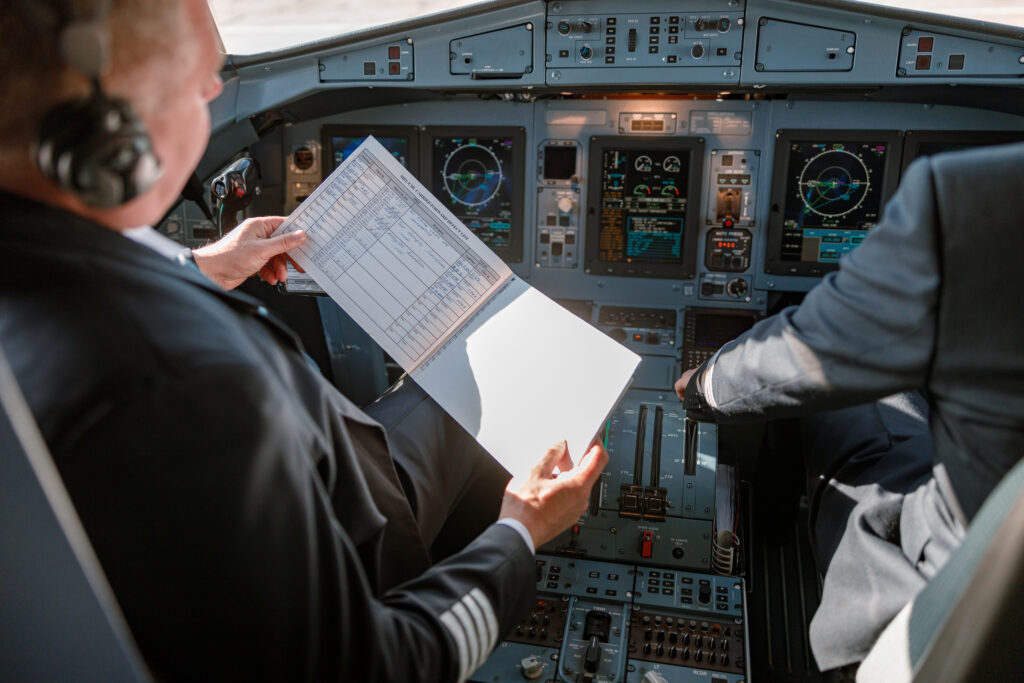
Common errors include military time conversion mistakes, omitted instructor signatures, incorrect airport identifiers, and math errors. Review totals carefully before submitting your logbook for any job application.
Fill out pilot logbook correctly from the start saves you headaches later. Duplicate logs or regular audits can help catch and prevent errors.
For professional pilots, a digital pilot logbook with automatic calculations eliminates math errors. But even then, double-check your entries for accuracy.
Many of these issues start early. If you’re still training, knowing the most common mistakes pilots make during training can keep them out of your logbook.
Conclusion
Your pilot logbook is your career’s backbone. Lose it or mess it up, and you lose years of proof.
So here’s your checklist: log every flight, total every page, sign every entry, and back it up—twice.
Whether you stick with a paper pilot logbook or switch to a digital pilot logbook, the habit matters more than the format.
Your move: Open your logbook right now. Is there an entry you skipped? A page not totaled? Fix it before you forget