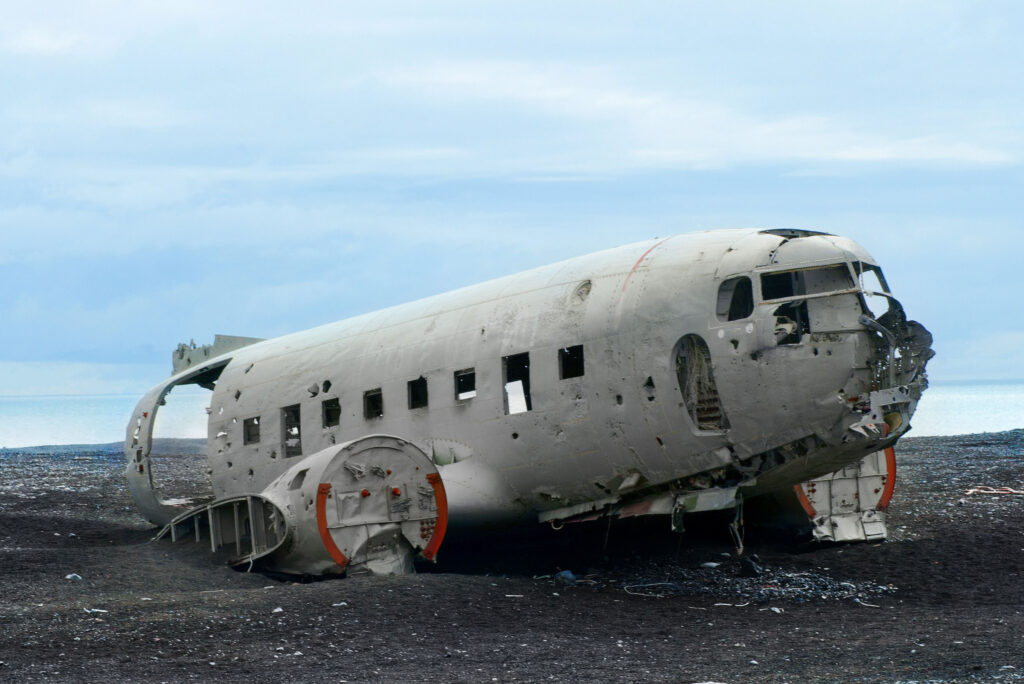
There was a time when crossing the Atlantic required three or four engines just to feel safe. The acronym ETOPS was jokingly translated as “Engines Turn Or People Swim.” But in 2026, the twin-engine jet is the undisputed king of long-haul travel.
Why aren’t we afraid? Because behind every transoceanic flight is a set of regulations so strict and engines so reliable that a failure is now one of the rarest events in human engineering.
1. The Historical Foundation: From ETOPS to EDTO
The journey started in the 1980s when the first twin-engine jets were allowed to stray further from land.
- The Pioneer: The Boeing 767 was the first to prove that two engines could be just as reliable as four. This era was defined by the original FAA Advisory Circular 120-42, which laid the ground rules for “extended range” flights.
- The 2026 Reality: Today, we use the term EDTO (Extended Diversion Time Operations). While ETOPS was for twins, EDTO is a modern, global standard that ensures safety for all aircraft types. Understanding this transition is a key part of mastering the ATPL subjects of Air Law and Flight Planning.
2. The Math of the “Point of No Return”
Every ocean crossing is a carefully calculated dance of geometry and fuel.
- The Equal Time Point (ETP): This is the location where, in terms of time, it is exactly the same to continue to the destination or return to the departure/alternate airport. The formula for the distance to the ETP(DETP)
- Planning Ahead: This calculation is vital. Many aspiring pilots first encounter these complex navigation logics while building their theoretical foundation through online pilot training.
3. Engine Reliability: 1.5 Million Hours Without a Hiccup
Modern turbofans like the Rolls-Royce Trent XWB or the GEnx-1B are masterpieces of reliability.
- The Stats: Current widebody engines have recorded over 1.5 million engine flying hours without an in-flight shutdown (IFSD).
- Redundancy: Even if an engine fails, the aircraft can maintain flight for hours. Some jets are now certified for EDTO 370, meaning they can fly for over 6 hours on a single engine to reach safety.
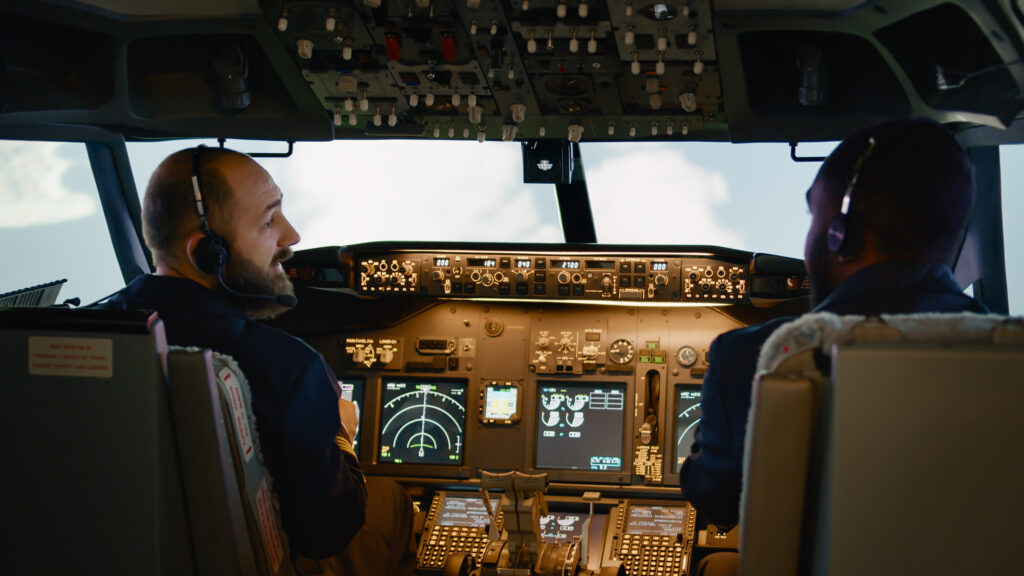
- Simulated Crisis: Pilots practice these “drift down” scenarios constantly. Today, AI and VR are reshaping how these high-stakes emergencies are taught, allowing crews to experience the pressure of an ocean diversion in a safe environment.