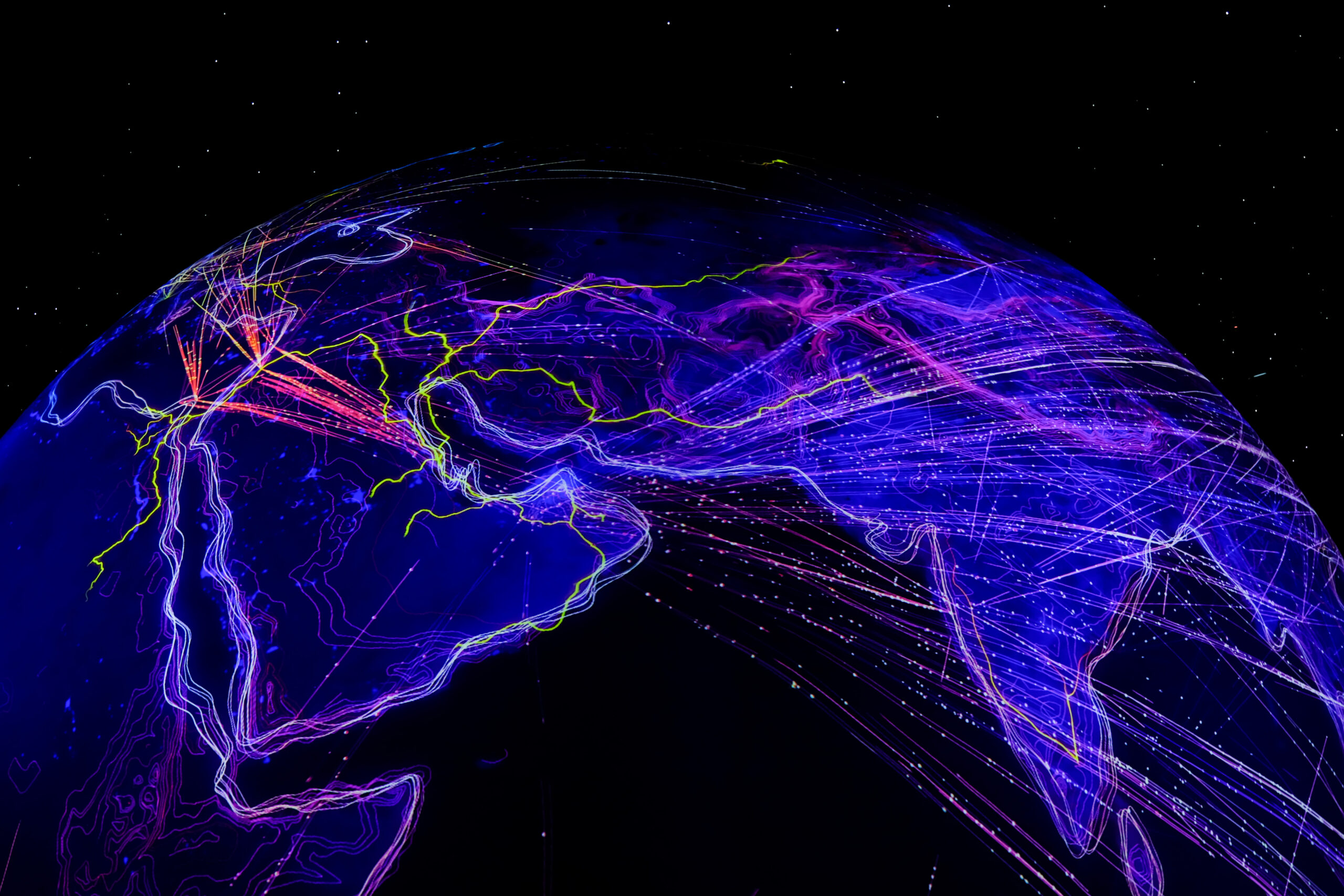
If you feel like your flight from New York to London was unusually fast lately, but the way back felt like an eternity, you aren’t imagining it. In 2026, climate change is no longer just a “ground-level” problem; it has officially shifted the “highways in the sky.” The North Atlantic Jetstream—the powerful wind current that planes hitch a ride on—is becoming faster, more erratic, and significantly more turbulent.
Let’s look at the science of why the sky is getting “bumpier” and how pilots are adapting to this new atmospheric reality.
1. The Speed Paradox: Record Times vs. Grueling Returns
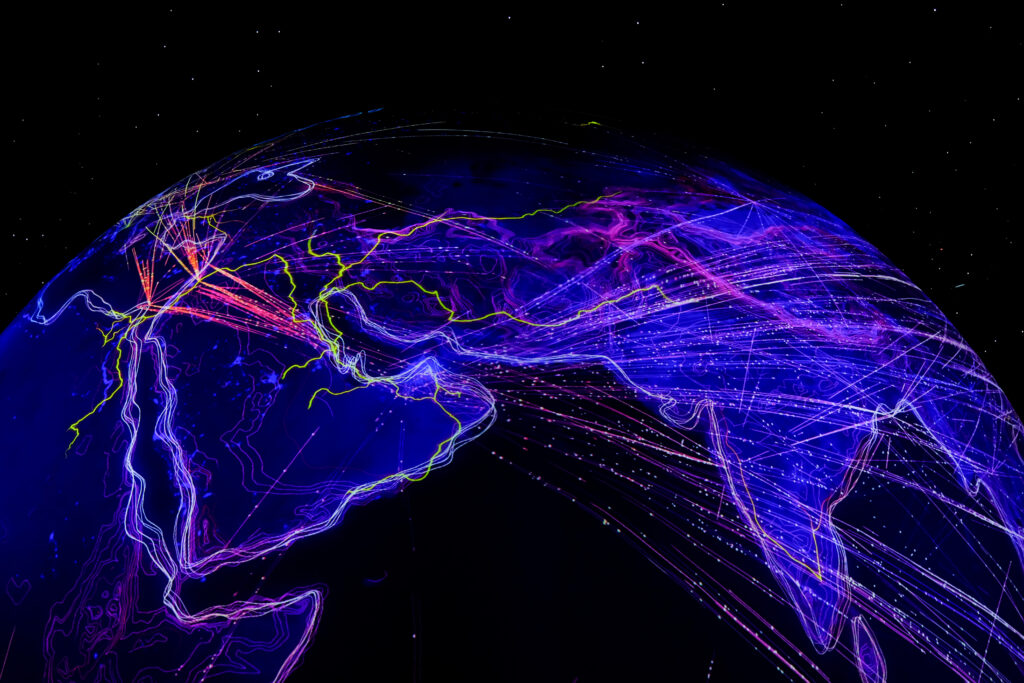
As the temperature gap between the warming Arctic and the tropics shifts, the Jetstream is gaining speed.
· The Eastbound Dash: Tailwinds are reaching record-breaking speeds, sometimes pushing subsonic airliners to ground speeds over 1,200 km/h.
· The Westbound Struggle: While going east is faster, coming home against these strengthened winds takes longer and burns significantly more fuel.
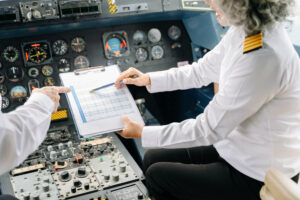
· The Pilot’s Challenge: Calculating these variables is a masterclass in ATPL Flight Planning and Meteorology, where understanding the “core” of the jet is the difference between a smooth ride and a 2-hour delay.
2. The Invisible Danger: Clear Air Turbulence (CAT)
The most noticeable change for passengers in 2026 is the frequency of “fasten seatbelt” signs. We are seeing a massive rise in Clear Air Turbulence (CAT).
· Why it’s happening: Stronger winds create higher “wind shear” (sudden changes in wind speed or direction). Because CAT happens in cloudless skies, it is invisible to the naked eye and traditional weather radar.
· Frequency: Research shows that severe CAT has increased by over 50% in certain flight corridors compared to previous decades.
· Training for the Unknown: Pilots now spend more time learning to anticipate these invisible pockets. This level of situational awareness is often first developed through advanced flight simulation and high-fidelity video games, where varying wind layers can be safely practiced.
3. AI-Driven Routing: The 2026 Solution
To combat these shifting patterns, airlines are moving away from fixed “tracks” and toward dynamic, AI-optimized routing.
· Real-time Adaptation: Modern flight decks use software that analyzes satellite data to find the path of least resistance (and least turbulence).
· Tech in the Cockpit: This reliance on real-time data integration is a prime example of how AI and VR are reshaping pilot training worldwide, preparing the next generation to fly in a much more volatile atmosphere.
Conclusion: Navigating a Changing Sky
The Jetstream of 2026 is a reminder that aviation is a constant dance with nature. As the atmosphere changes, so must our technology and our training. For the pilots of tomorrow, “reading the sky” involves more than just looking out the window—it involves mastering the complex data of a changing climate.