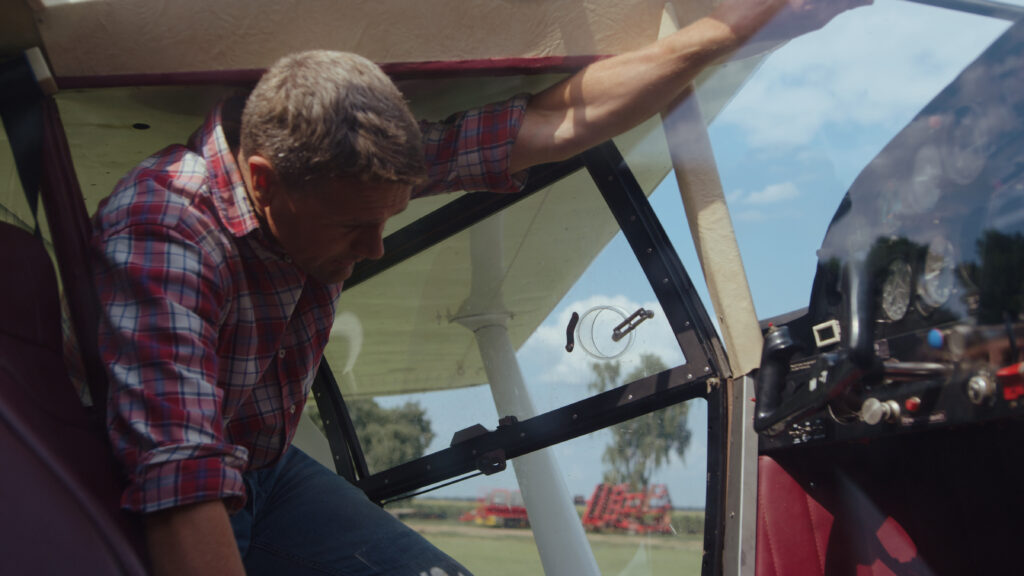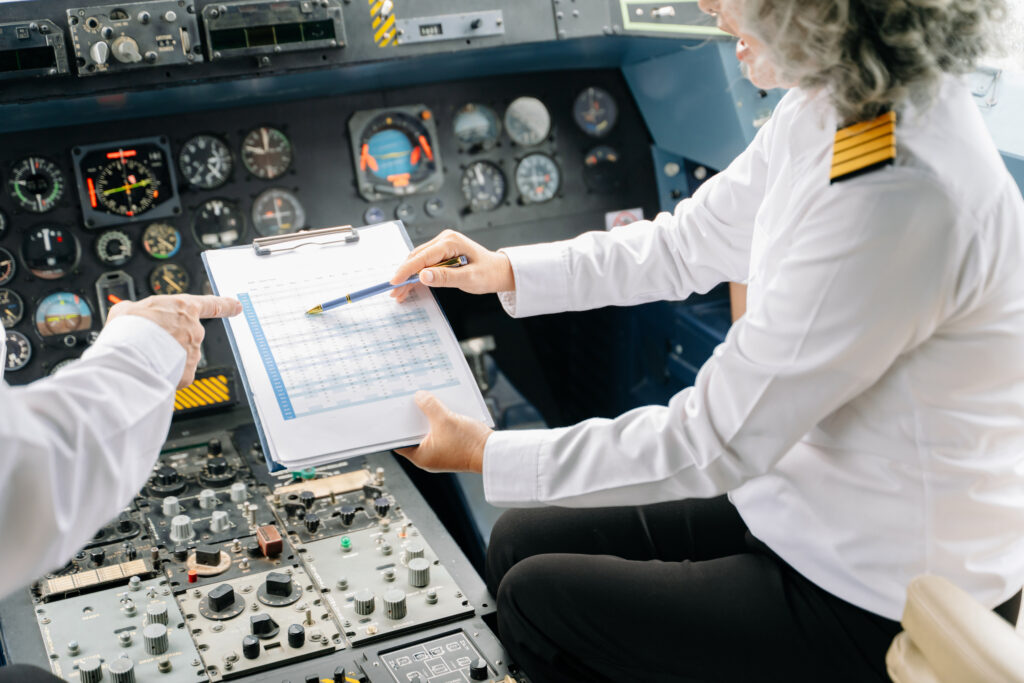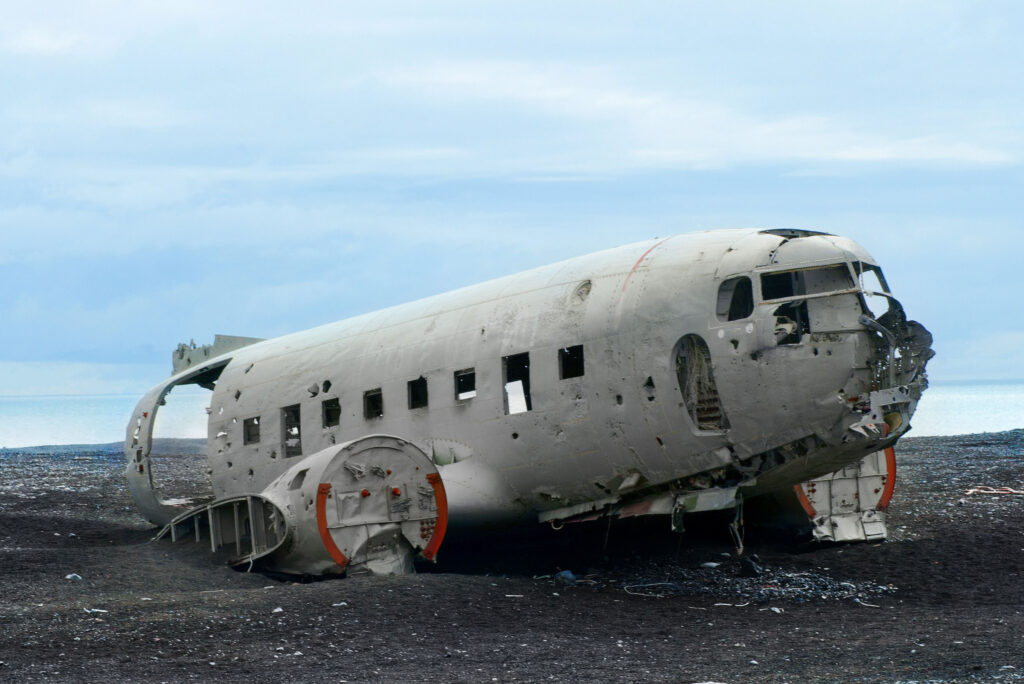
What’s CRM? In aviation, it stands for Crew Resource Management—a set of skills that helps flight crews recognize risk, communicate effectively, and make better decisions.
Today, CRM pilot training is mandatory worldwide. In this guide, we’ll explore its history, core components, and why it matters.
The Origins of CRM: How Tragedy Transformed Cockpit Culture
The 1970s: A Deadly Decade
Two disasters changed aviation forever:
- Tenerife (1977): Two 747s collided on the runway, killing 600 people. Cause? Miscommunication between crew and air traffic control.
- United 173 (1978): Crew fixated on a landing gear issue while fuel ran out. Ten died. Investigators cited poor communication, weak teamwork, and flawed decisions.
The Birth of CRM: NASA concluded human error was the problem. In 1979, psychologist John Lauber coined “Cockpit Resource Management” —training to improve communication and leadership. United Airlines launched the first programme in 1981.
Evolution: In the 1980s, CRM focused on flattening hierarchy. By the 1990s, it became Crew Resource Management, expanding to cabin crews and adding team dynamics, stress management, and human factors. Today, CRM integrates modern methods like Evidence-Based Training and is a global standard fostering just safety culture.
Why Every Pilot Needs CRM Training
The problem: Human error causes 60-80% of aviation incidents—often from poor communication or weak leadership.
The solution: CRM reduces and manages those errors. It also breaks down the myth that stress or personal issues won’t affect performance. Yet many pilots struggle with anxiety and stress, and learning to manage these factors is essential for safe operations.
Normalize Errors, Build a Just Safety Culture: Errors happen. The key is how organizations respond. When errors are used to improve safety rather than punish individuals, crews feel safe reporting concerns. This just safety culture lets CRM principles take root beyond the classroom.
CRM Skills and Training
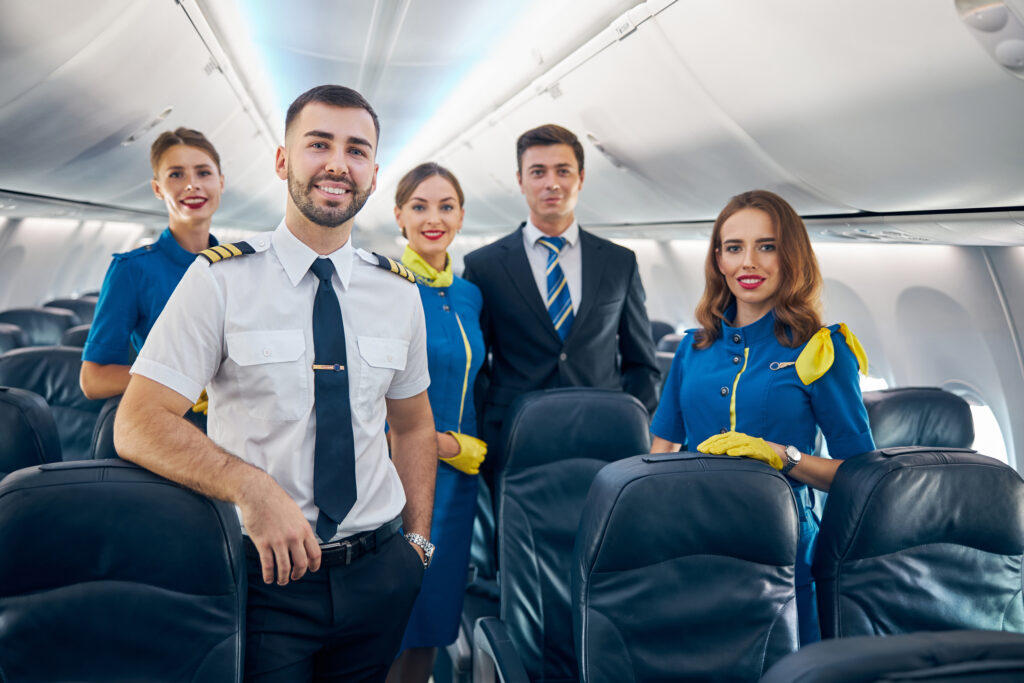
CRM pilot training centers on six core skills, each with specific training focuses defined by ICAO.
| Core Skill | What It Means | Training Focus |
| Communication | Clear, concise information sharing with crew, ATC, and ground teams. Assumption errors and jargon overload can be fatal. | Inside and outside cockpit communication, standardization, callbacks |
| Decision-Making | A structured process: evaluate options, choose the best, brief before, debrief after. | Structured approaches under pressure, threat and error management |
| Situational Awareness | Knowing what’s happening now, understanding it, and predicting what’s next. Developing this sixth sense is a core skill every pilot must cultivate. | Information gathering, processing, maintaining vigilance |
| Teamwork | Flattening the hierarchy so everyone speaks up while maintaining respect for the captain’s authority. | Team dynamics, behavior, breaking down barriers |
| Task Allocation | Dividing responsibilities to avoid overloading any single crew member. | Workload management, prioritization, delegation |
| Leadership | Organizing resources and people effectively—creating an environment where input is welcomed. | Team performance, creating psychological safety |
Training delivery:
- Ground school: Theory, case studies, accident analysis
- Simulator sessions: Line-Oriented Flight Training (LOFT) with realistic scenarios
- Recurrent training: Annual or semi-annual refreshers
- Line operations: Practiced during every flight
Modern Methods: Today’s CRM integrates Competency-Based Training, Assessment (CBTA) and Evidence-Based Training (EBT) for a data-driven approach that identifies and fills training gaps.
The Benefits of CRM Training
CRM pilot training delivers measurable results. Over the last 30 years, accident rates have dropped significantly despite surging air traffic. According to IATA, there were 3.72 accidents per million sectors in 2005. By 2024, that number fell to just 1.13 per million sectors. Fatalities have also declined—from 2,000 in 1994 to 621 in 2024.
Regulators worldwide (ICAO, EASA, FAA) mandate CRM because it saves lives. Beyond statistics, it builds stronger teams, better communication, and a culture where errors are caught before they become accidents.
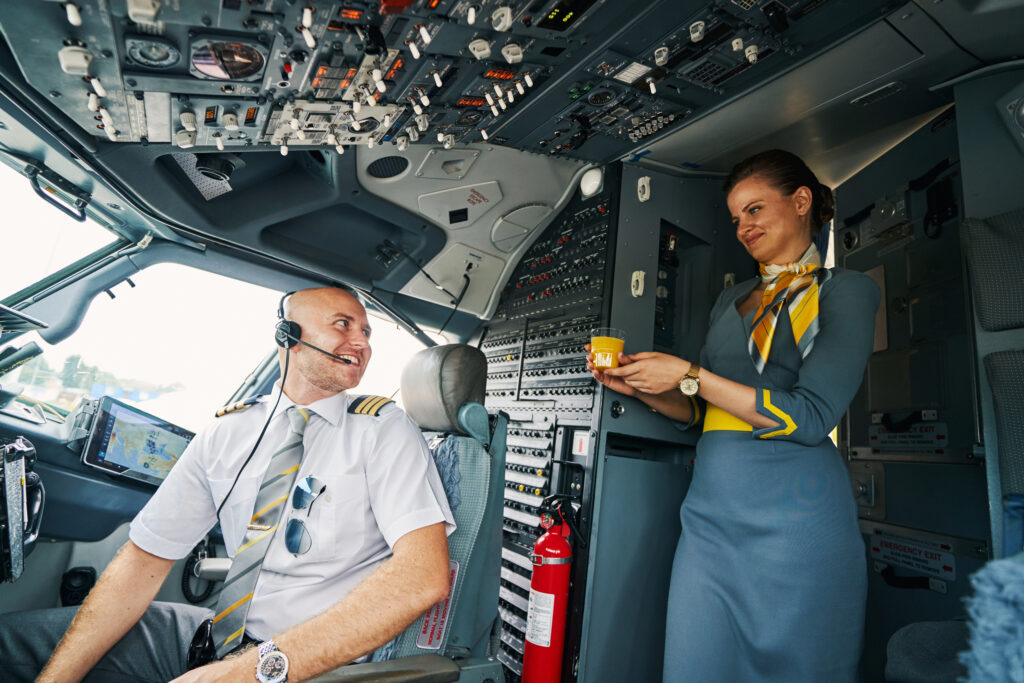
Why CRM Matters for Every Pilot
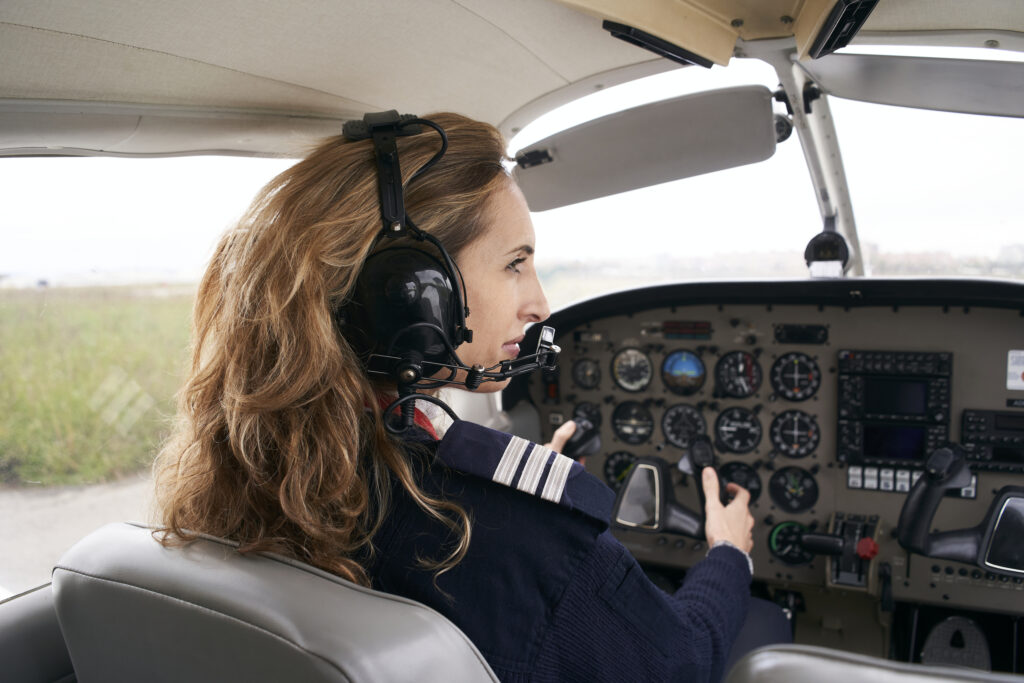
You might think: “I fly alone. Does CRM apply to me?”
Yes. The principles of CRM pilot training benefit every pilot—even single-pilot operators. Human factors like stress, fatigue, and decision-making affect everyone, regardless of crew size. Understanding these factors is critical for reducing the human error that drives most accidents.
For single pilots, CRM means:
- Using all available resources (ATC, weather, apps, checklists)
- Managing your own workload
- Maintaining situational awareness
- Recognizing your limitations
- Asking for help when needed
Modern training integrates CRM from the start, using simulations and scenarios to build these skills before they’re needed in real life.
Takeaways
CRM pilot training changed aviation. Before it, good planes crashed because crews didn’t communicate. Today, every pilot learns to use every resource—especially their team.
Whether you fly with a crew or alone, CRM principles apply. Speak up. Listen. Use every tool. And remember that balancing the demands of flying with personal well-being is part of staying safe.
Try this: On your next flight, practice one CRM skill. Verbalize decisions. Debrief afterward.