Aviation careers go far beyond the cockpit. From the executives in the boardroom to the technicians in the hangar, the sector offers some of the most rewarding careers in the world. Aerospace engineer, air traffic controller, airline manager, aviation lawyer—the list is long and the pay is high.
Whether you dream of designing aircraft or managing airport operations, this guide covers the best aviation careers and what they pay.
Corporate and Management
Airline management professionals oversee everything from revenue planning to human resources. Airline manager roles vary by department—some negotiate landing fees, others manage maintenance or staff. Entry-level corporate jobs start under $75,000, but top executives earn millions. The CEO of a major U.S. airline made between $4.5 million and $34 million in 2023. Airline management salary grows significantly with seniority.
Airport management is similar. Airport manager handles safety, security, airside operations, and passenger services. Top airport executives earn hundreds of thousands per year. A bachelor’s degree in aviation management is common, and the Accredited Airport Executive (AAE) certification is a career accelerator. In the U.S., airport management salary averages $61,928. Entry-level pay ranges from $50,000 to $65,000, with executive compensation reaching much higher levels.
Aviation consultant provides expert advice to airlines, leasing companies, and insurance firms. Aviation consultant salary starts around $49,716 for entry-level. Mid-level consultants make about $75,065. Seasoned professionals earn an average of $108,148 per year.
Engineering and Technical
Aerospace engineer is one of the most innovative careers in aviation. These professionals design and develop aircraft, spacecraft, and missiles. Employers require a four-year aerospace engineering degree. The median aerospace engineer pay is approximately $130,000 per year. Aerospace engineer salary can exceed that with top employers like Boeing, Airbus, and SpaceX.
Aircraft maintenance technician (AMT) is the hero behind the scenes. These professionals inspect, repair, and maintain aircraft to meet FAA safety standards. The most direct route to becoming an aircraft maintenance technician is through an FAA-approved Part 147 aviation maintenance school. Aircraft maintenance technician jobs are in high demand across airlines, MROs, and general aviation.
Avionics technician specializes in the electronic systems that allow aircraft to navigate and communicate. They install, inspect, and repair glass cockpits and flight control systems. A General Radiotelephone Operator License (GROL) is a significant advantage for any avionics technician. Avionics technician positions are available at repair stations, airlines, and manufacturing facilities.
Air Traffic and Operations
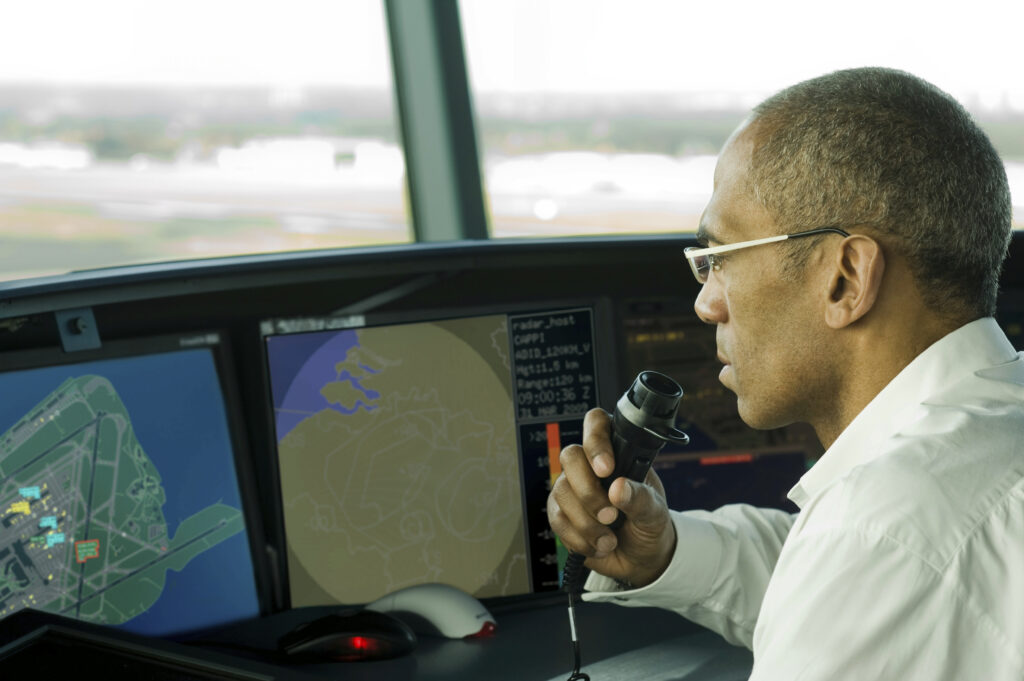
Air traffic controller is a demanding but well-paid role. These professionals monitor airports and skies, managing the movement of aircraft. Most civilian air traffic controllers work for the FAA. After training, air traffic controller pay starts at $60,000 to $70,000. However, the average air traffic controller salary is $137,380.
Aircraft dispatcher shares legal responsibility with the captain for flight safety. Their responsibility includes analyzing weather, planning routes, and calculating fuel loads. The airline dispatcher role requires an FAA-approved training program. Dispatchers are among the highest-paid non-flying aviation professionals. Aircraft dispatcher salary averages $54,000 to $75,000 per.
Flight attendant is a visible and vital role. They ensure passenger safety and comfort, conduct pre-flight checks, and provide in-flight service. Flight attendant positions are available at major airlines, regional carriers, and private charter companies. Flight attendant salary by airline varies. The average salary is $40,044 per year, but travel perks add significant value.
Flight instructor is a common first job for many pilots. They teach students the fundamentals of flight, aircraft controls, and emergency procedures. Flight instructor salary for a chief instructor ranges from $110,000 to $166,000, averaging $127,815.
Sales, Legal and Brokerage
Aviation lawyer is a niche but well-compensated career. These experts handle aviation law and regulations, accident litigation, and contract negotiations. How to become an aviation attorney? Start with an aviation law degree or a law degree with aviation specialization. Aviation lawyer salary starts around $70,000. Experienced lawyers earn between $79,000 and $131,000, with an average of $100,600 per year.
Aircraft sales representative navigates the complex process of buying and selling aircraft. An aircraft sales job requires strong knowledge of aircraft types and market trends. In an aircraft sales position, representatives assist with market analysis, pre-buy inspections, and contract negotiations. Aircraft sales representative jobs are available at manufacturers, brokerages, and aviation consultancies. Aircraft sales salary ranges from $55,500 to $118,500 annually, excluding bonuses.
Air charter broker acts as an intermediary between clients and aircraft operators. They assess client needs, find suitable aircraft, and negotiate pricing. Air charter broker salary ranges from $45,000 to $165,000 per year, with an average fixed pay of $82,428.

Aviation Medicine
Aviation medical examiner (AME) is a physician designated by the FAA to evaluate the health of pilots and air traffic controllers. They issue the medical certificates required for flight training and operations. How to become an aviation medical examiner? First, be a licensed physician and then complete FAA training.
Conclusion
Aviation careers extend far beyond the cockpit. The industry offers diverse paths with strong earning potential, whether you work in management, law, air traffic, or maintenance.
Are you a student exploring options or a professional considering a switch? Aviation has a place for you.
Next step: Join aviation Facebook communities to network, ask questions, and find job leads.