Ask any pilot to name their most unforgettable moment in aviation. Most will not mention a cross-country or a sunset tour. They will tell you about their first solo flight.
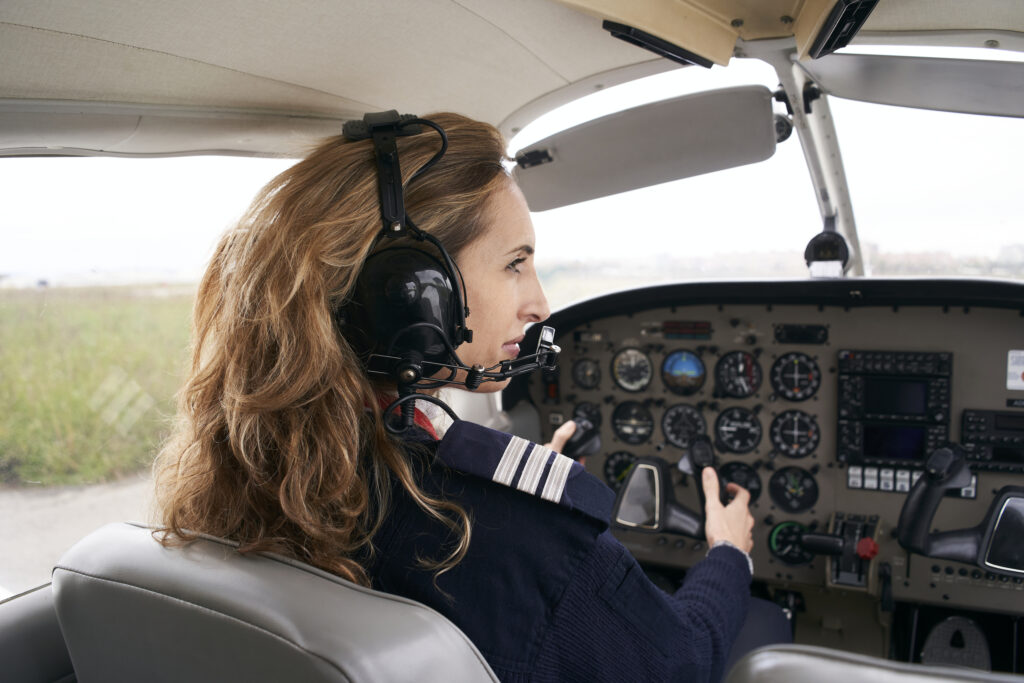
That empty seat beside you. The sudden realization that no one is there to grab the controls or double-check your altitude. Solo flight meaning is simple: you are the only person in the aircraft, and every decision rests on your shoulders.
It changes you. But how do you know when you are truly ready? Let us find out.
Solo Flight Requirements
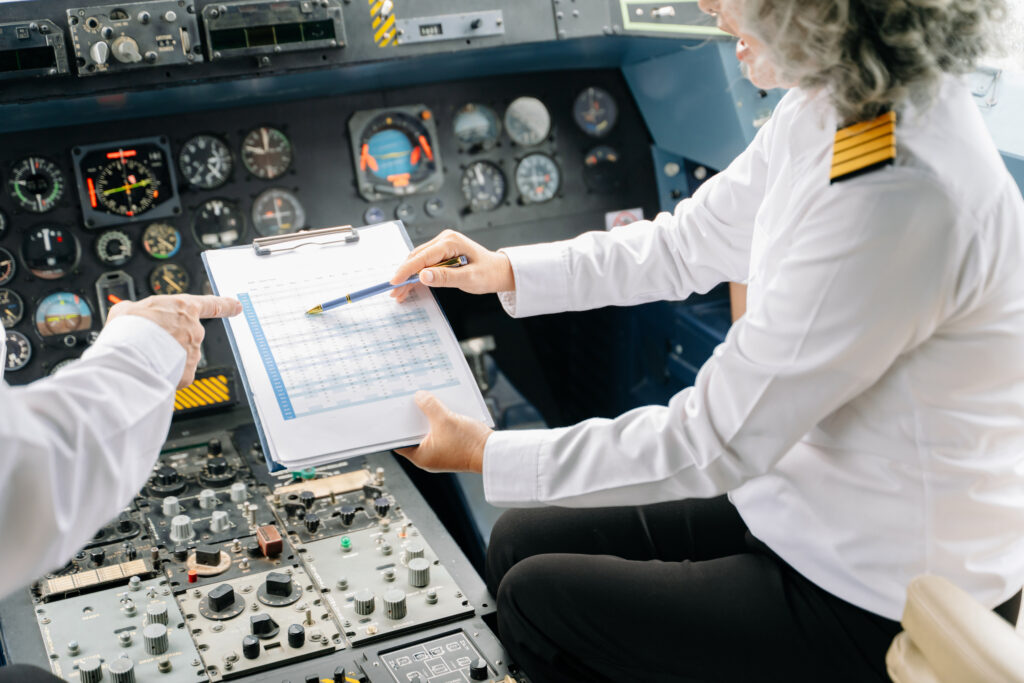
Before you can fly alone, you must meet specific solo flight requirements under FAR 61.87, including a presolo written test on Parts 61 and 91, the airport, and your aircraft. For a complete guide, review this guide to the presolo written test.
You also need a student pilot certificate and a valid medical certificate. Second, your instructor must provide endorsements required for solo flight in your logbook.
How many hours before solo flight? There is no official minimum, but most students need 10 to 20 hours. How many hours to solo flight depends on your progress.
How Do You Know When You Are Ready?
Your instructor will not send you up alone until they are 100% confident. You will have demonstrated consistent handling of landings, stable approaches, and solid decision-making.
A student ready for solo flights maintains stable approaches, stays on glide path, and lands on centerline. Even more important is knowing when to go around. Even more important is the willingness to execute a go-around when an approach is unstable.
Solo flight is not about perfection. It is about knowing when to try again.
What to Expect on Your First Solo
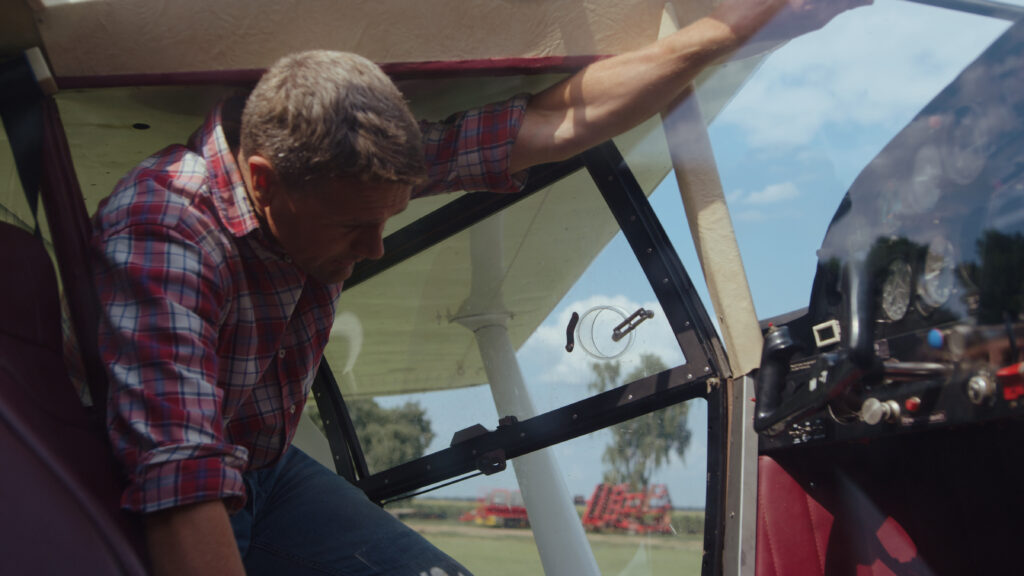
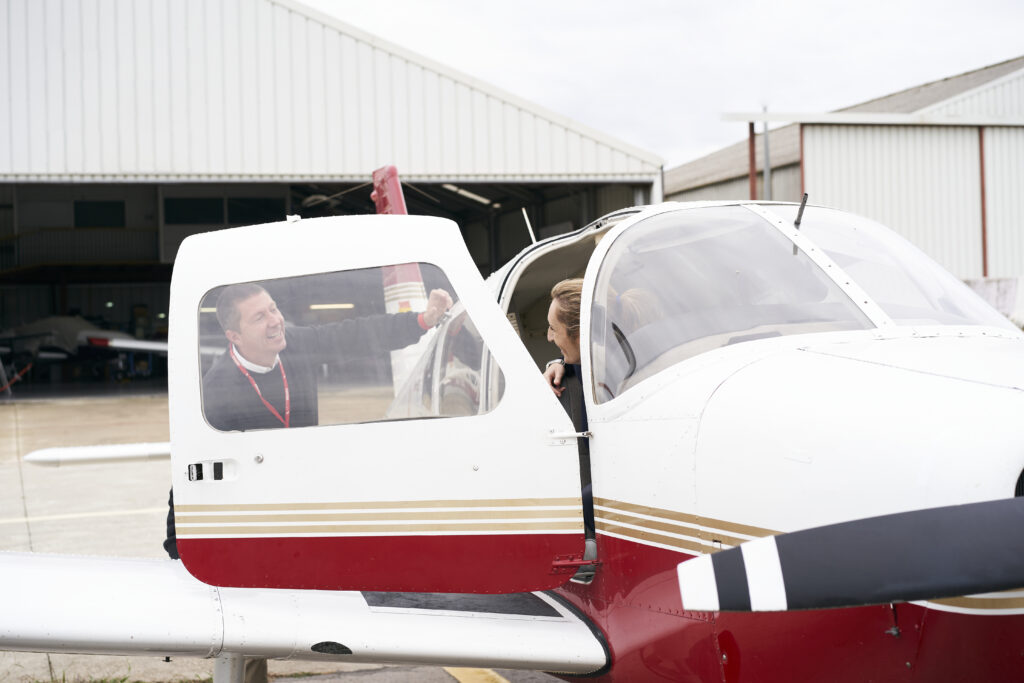
On the day of your first solo flight, your instructor will brief you on weather, traffic patterns, and last-minute advice. They will monitor you from the ground but will not be in the aircraft.
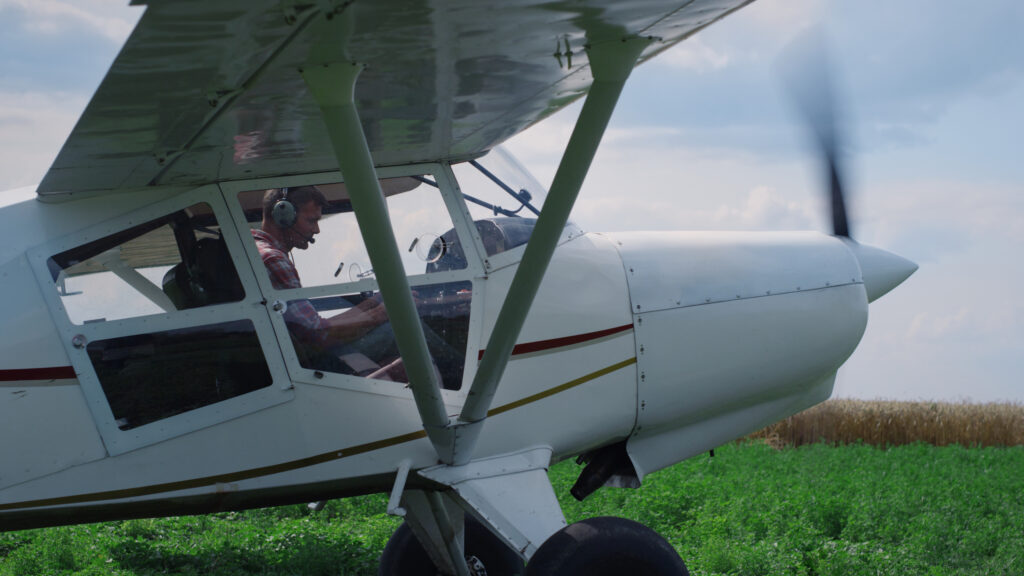
You will taxi, take off, and fly a circuit of the airfield. The landing is the most critical part. Stay focused, follow your training, and do not be afraid to go around if something feels off.
After landing, you will debrief with your instructor. This is a moment to celebrate and reflect.
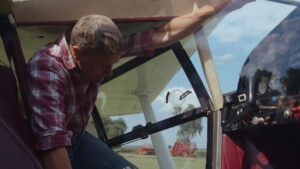
Some schools celebrate with first solo flight shirt cutting—a tradition where instructors cut the back of your shirt to show you no longer need to be “pulled along. You might also receive a first solo flight plaque or keep the cut shirt as a souvenir. First solo flight shirt is often signed by your instructor and fellow students. These first solo flight traditions make the milestone even more memorable.
Common Challenges and How to Overcome Them
Anxiety is normal before your first solo. The best way to calm your nerves is practice. Building the right mindset and confidence is just as important as mastering the controls.
Weather problems are out of your control. Your first solo must be conducted under VFR with light winds and good visibility. Be patient. The right day will come.
Radio communication can feel intimidating when you are alone. Practice with your instructor until the lingo becomes second nature. Not sure what to say? Understanding common aviation terms and pilot slang will help you sound like a pro.
Emergency scenarios are rare, but training prepares you. Trust your instincts. Trust your training. If something feels wrong, go around. There is no shame in trying again
Final thoughts
Solo flight is the moment you stop being a student and start being a pilot. The empty seat beside you is no longer scary. It is proof that you belong there.
Trust your training, trust your instructor, and learn from the most common mistakes pilots make during training to stay ahead of common pitfalls. When the day comes, enjoy every second of it. You earned it.