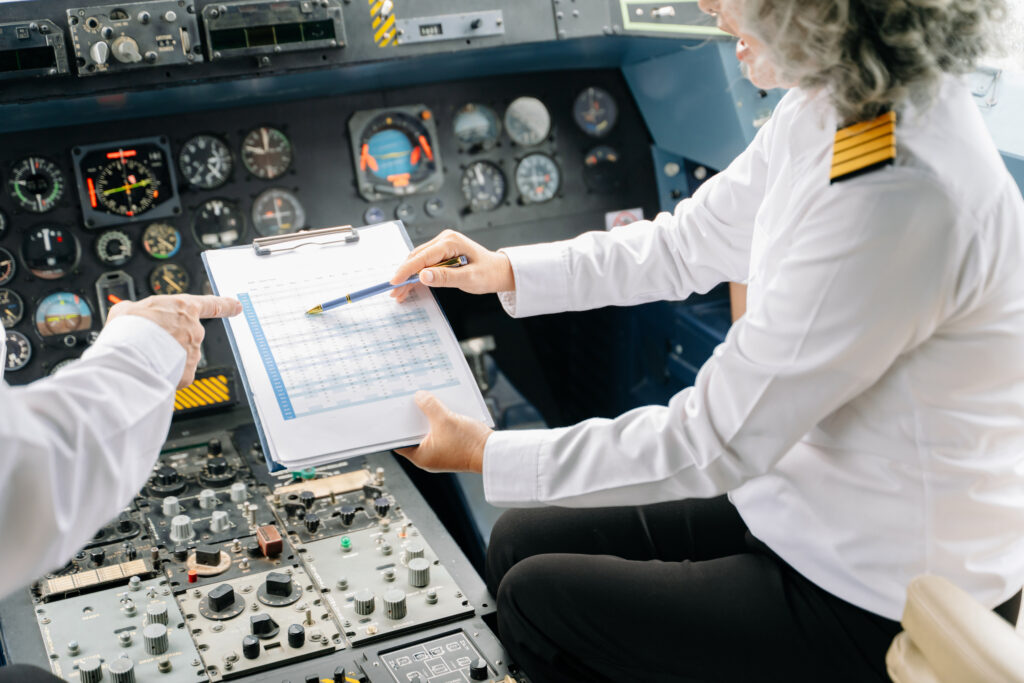
For decades, the aluminum kneeboard was a pilot’s best friend—a place to strap charts, scratchpads, and pens. But as we navigate through 2026, the cockpit has gone fully digital. With the industry facing a peak shortage of 24,000 pilots this year, efficiency and situational awareness are more critical than ever.
Today, we aren’t just carrying gadgets; we are wearing them. Here is the ultimate guide to the tech replacing the traditional kneeboard this year.
1. The Digital Kneeboard: iPad Mini 7 & Pivot Systems
The iPad is no longer just a “tablet”—it is the heart of the Electronic Flight Bag (EFB). In 2026, the iPad Mini 7 is the gold standard for GA and commercial pilots alike.
- Why it wins: With seamless integration into ForeFlight, it handles everything from weight and balance to synthetic vision.
The Accessory: Traditional straps are out; Pivot Cases are in. They offer better ergonomics, which is vital when you are busy mastering complex ATPL subjects.
2. The Smartwatch: Garmin D2 Mach 1 Pro (2026 Edition)
If the iPad is the brain, the Garmin D2 is the pulse. This watch has evolved into a localized flight computer on your wrist.
- Key Features: Direct-to navigation, HSI, and oxygen saturation alerts.
- Connectivity: For those who started their journey with online pilot training at home, this level of digital integration is the natural next step.
3. HUD Glasses: The Future of Situational Awareness
One of the most exciting shifts in 2026 is the rise of lightweight Augmented Reality (AR) glasses that function as a personal Heads-Up Display (HUD).
- The Advantage: Essential data like airspeed and altitude are projected directly into your field of view.
- Training Value: Even modern flight simulation video games are using AR to bridge the gap between virtual and real-world training.
4. Safety First: Satellite Communicators
Even with the best tech, redundancy is key. The Garmin inReach Messenger Plus provides global two-way messaging and SOS capabilities. Mastering these tools is a crucial part of professional development, especially when transitioning to advanced flying like how night rating training prepares you for real airline operations.
Conclusion: Efficiency is the New Standard
The transition from paper to pixels isn’t just about looking cool—it’s about safety and workload management. In an era where 674,000 new pilots are needed globally, those who master these gadgets early will have a significant edge in the cockpit.