The recent and unexpected escalation between United States and Iran has quickly developed into a much greater conflict with significant global consequences. What started as a regional confrontation is now affecting millions of people around the globe.
One of the most impacted sectors is aviation, where airspace restrictions, safety concerns and rising fuel prices could greatly disrupt the order of airline operations worldwide. Let’s examine how this global event impacts flights and aviation operations!
Reduced Air Traffic
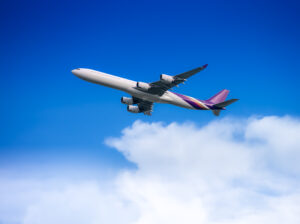
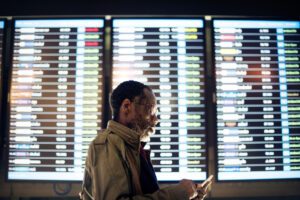
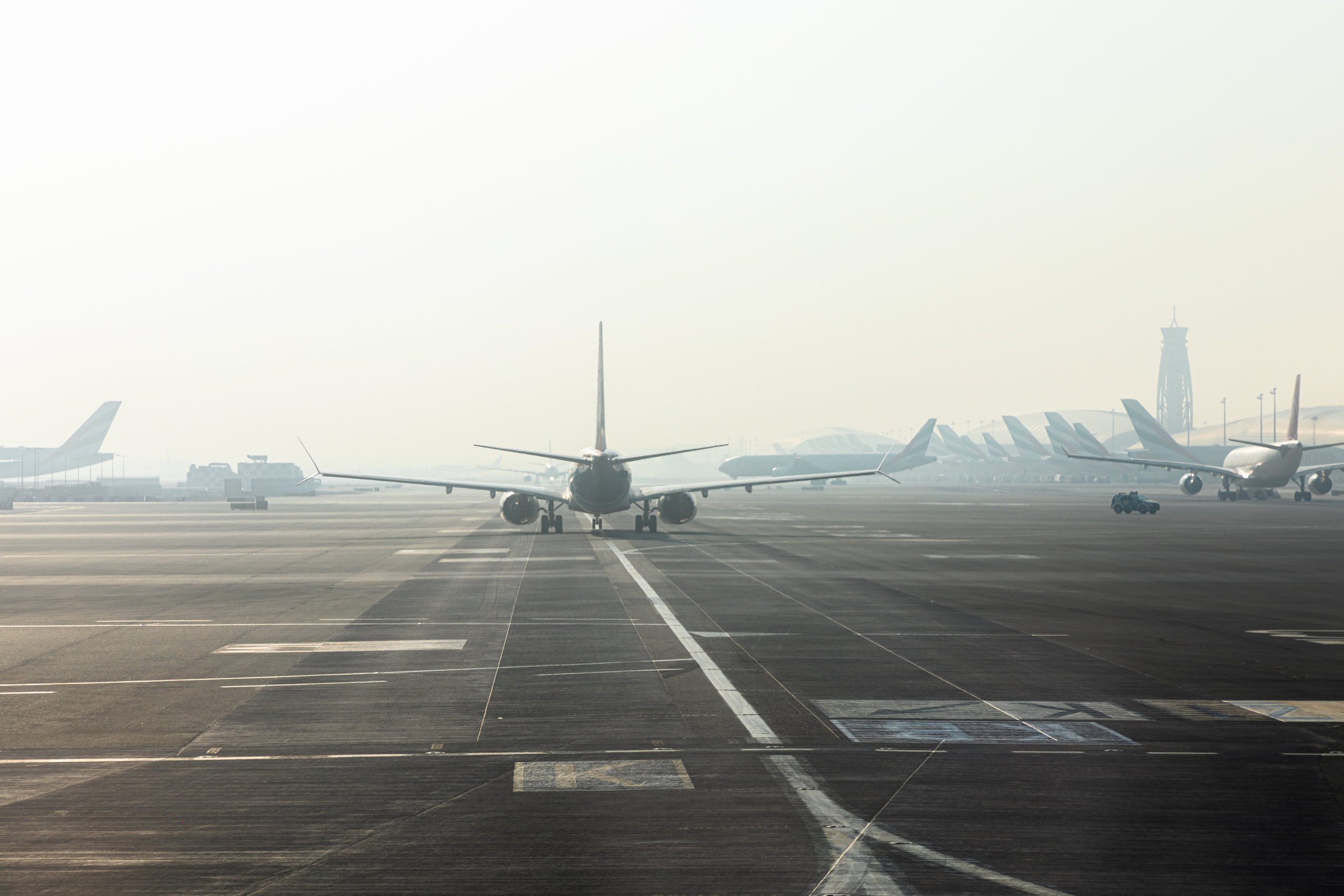
Multiple countries including Iran, Israel, Iraq, and several other states closed and restricted their air services. Airlines have been forced to suspend flights, reroute their aircraft, and reduce all operations in the region’s corridor. These sudden changes led to stranded travelers and discontinued connections through major transit hubs like Dubai and Doha.
Undoubtedly, airlines and governments are consistently searching for solutions to restore stability and reopen airspace. They constructed a substitute way of operating flights in this region during the situation.
Airspace Closures and Flight Rerouting
Governments and aviation authorities introduced tightly controlled flight routes that allow only limited air traffic to continue. These safe air corridors function as closely monitored highways in the sky. Aircrafts operate on specific routes and altitudes under heavily enhanced surveillance, using radar, satellite navigation, and onboard collision avoidance systems.
While these measures help to prevent the collapse of air connections, they also create more operational strains on global aviation. The capacity of these corridors is greatly restricted, often allowing a fixed number of aircraft per hour. However, to prevent the collapse of air traffic, this number is maximized, and the capacity is fully utilized in this case.
Airlines are currently relying on narrow flight corridors through the Gulf states. One of the main corridors connects Armenia, Georgia, and Azerbaijan, facilitating travel between Europe and Asia. Additionally, Egypt is also working to ensure the safe passage of air traffic.
Air Traffic Control Under Pressure
On an average day, an individual controller oversees 6 aircraft in the area, but this number can increase significantly during the war. Thanks to the full corridors, they are expected to work on a demanding rotation of shifts. They must carefully coordinate with pilots to establish new destinations and assess fuel levels before each takeoff. Another critical issue is which airports are equipped to accommodate them. For smaller jets, this often means selecting an entirely new destination for safety reasons.
These regulations lead to longer routes, countless delays, and fewer available flights. It’s also important to note that using these hubs and operating through them generates enormous costs for the airlines.
How Do Pilots Navigate Now?
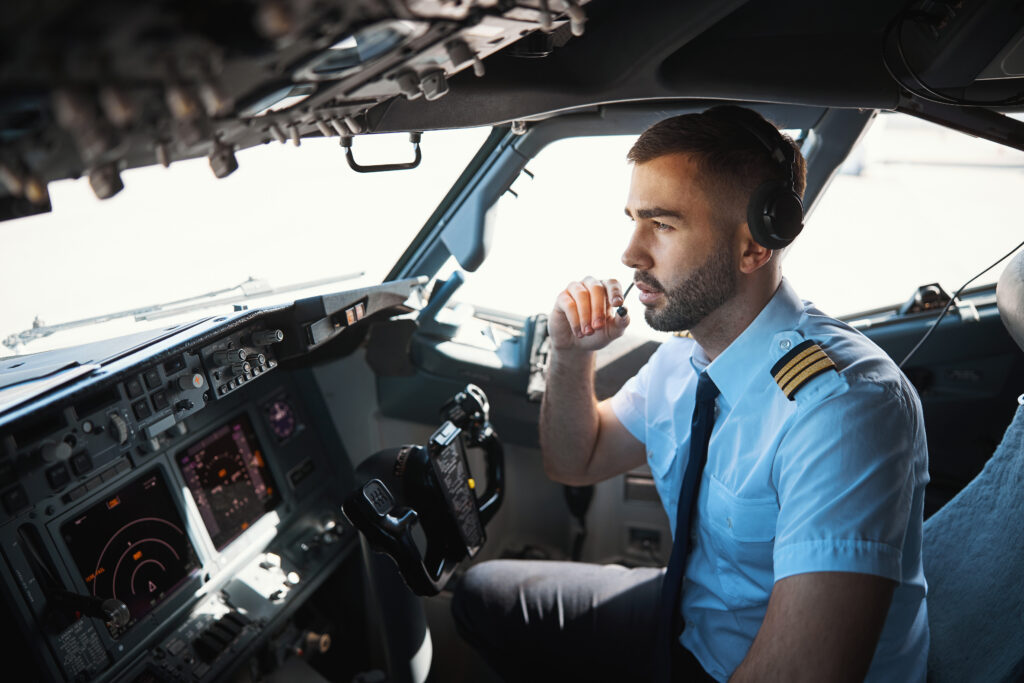
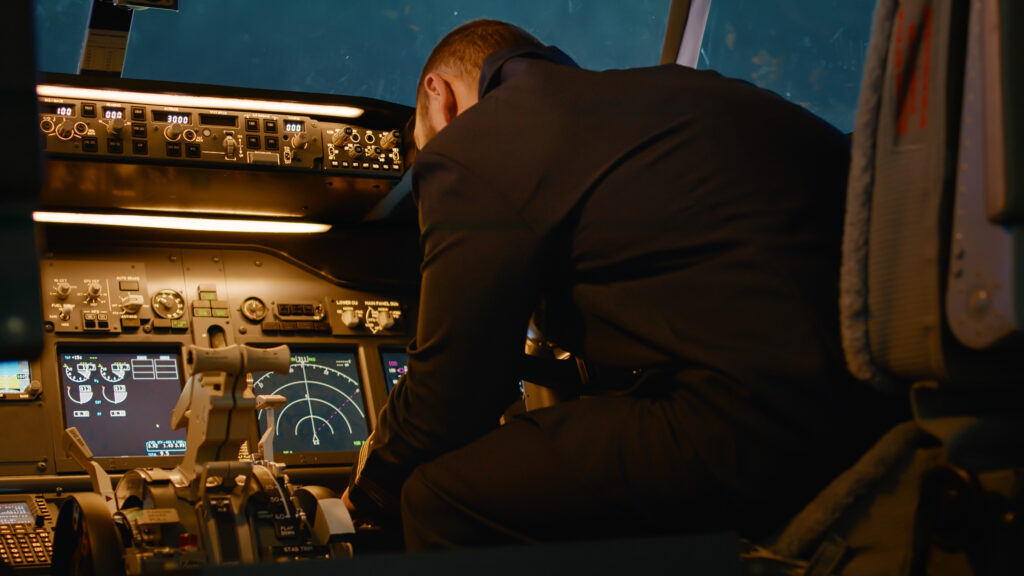
Pilots were already under immense pressure in everyday life, but the stakes became even higher for them due to the U.S. – Iran conflict. This war in the Middle East resulted in a massive number of missiles and attack drones flying over the region.
Over the years, pilots have grown accustomed to stressful situations due to the ongoing conflicts, which is why they have received training to handle these situations. But even this can’t guarantee that the aircraft won’t be targeted or fall victim to bombing.
Aif defense missiles have a range of 4,500 meters, so flights had to be raised over this altitude to avoid their range. It’s also essential that pilots carry extra fuel, as they never know when or how the final destination might change after takeoff.
Nevertheless, it’s not the missiles that cause them the biggest headache, but rather the more complex flight operations and management in these circumstances. They must navigate in a highly restricted airspace and also prepare for the likely presence of military drones. Unlike an aircraft, these drones do not appear on airlines’ radar systems. This makes them extremely difficult to detect, yet the damage they can cause is all the greater.
It’s impossible to mentally handle this, even as a pilot. Even though some airlines have partner programs for mental health, it’s difficult to process anxiety and fear on this magnitude.
In Conclusion
The recovery of global air travel is slow and complex. After airport shutdowns, it can take weeks to re-accommodate passengers, causing ongoing disruptions. Restrictions related to conflicts may last for months, and restoring normal operations is harder than the disruption itself. By planning ahead and following updates, we can better navigate these challenges and contribute to a safer global air travel in the future.