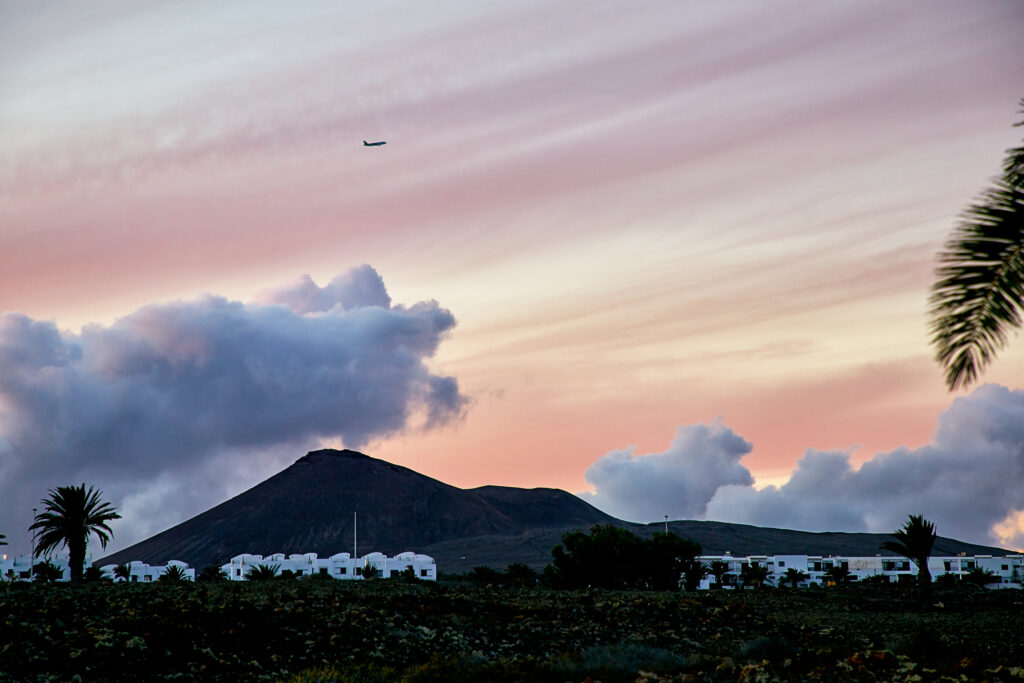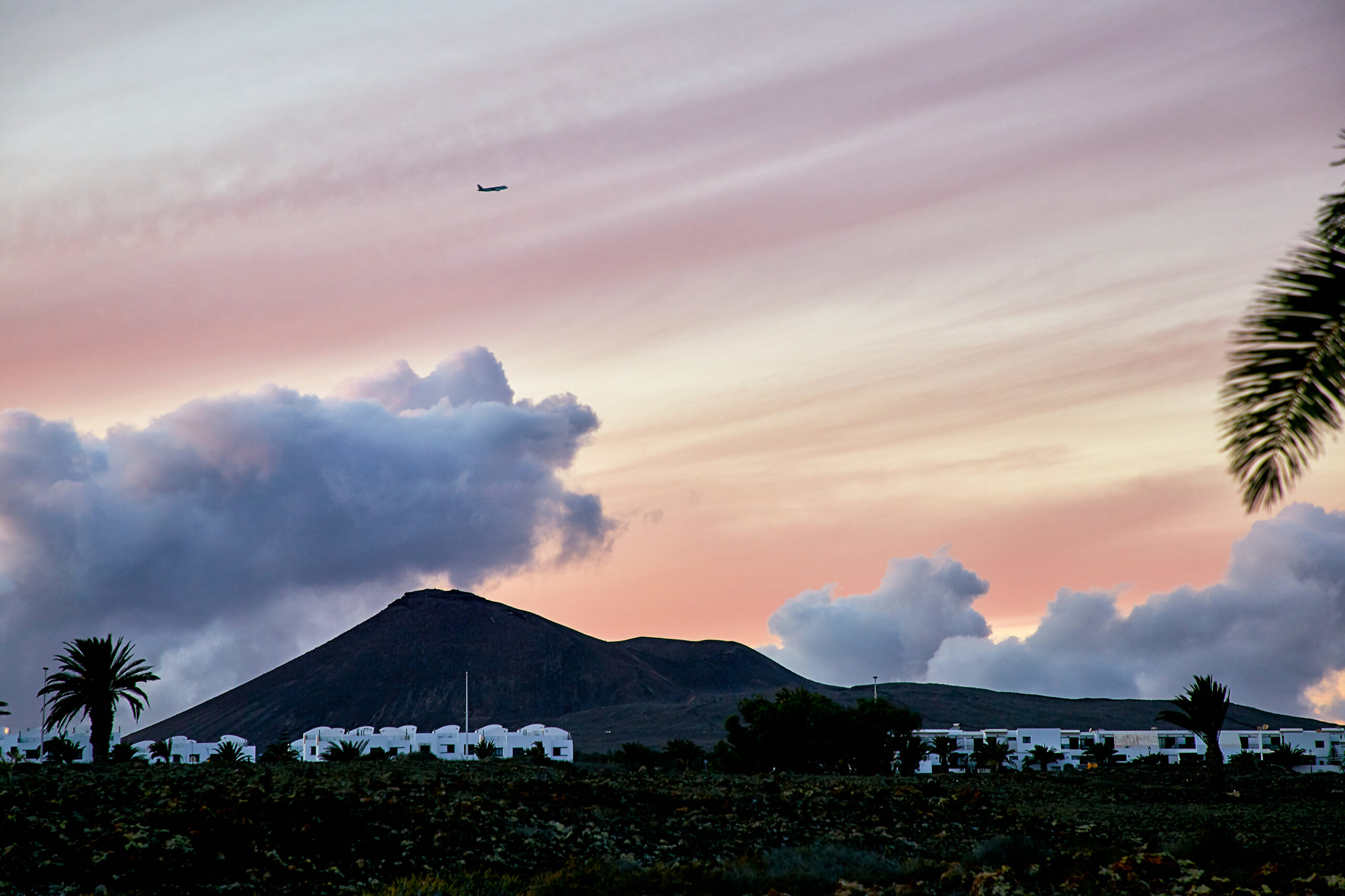
In 2010, the Eyjafjallajökull eruption paralyzed European airspace for weeks, teaching the industry a brutal lesson: what you can’t see can hurt you. In 2026, despite advanced satellite monitoring, volcanic ash remains a “ghost” in the sky. It doesn’t trigger weather radars, yet it has the power to shut down every engine on an aircraft simultaneously.
Let’s look at why ash is invisible to tech and how it literally turns into glass inside a jet engine.
1. The Radar Blind Spot: Why Ash is “Invisible”
Pilots rely on Weather Radar to avoid storms, but volcanic ash is a different beast entirely.
- The Physics of Reflection: Weather radar works by bouncing microwaves off water droplets or ice crystals. These are relatively large and reflective.
- The Ash Problem: Volcanic ash particles are microscopic (often less than mm) and extremely dry. They lack the reflectivity of water, meaning a thick, lethal cloud of ash can look like a perfectly clear sky on a pilot’s radar screen.
- The Professional Standard: Because radar is useless here, pilots must rely on SIGMETs and Volcanic Ash Advisory Centers (VAAC). Mastering these reports is a critical component of ATPL Meteorology and Flight Planning.
2. The “Glass” Factory: What Happens Inside the Turbine?
This is where the engineering nightmare begins. A jet engine isn’t just a fan; it’s a high-temperature furnace.
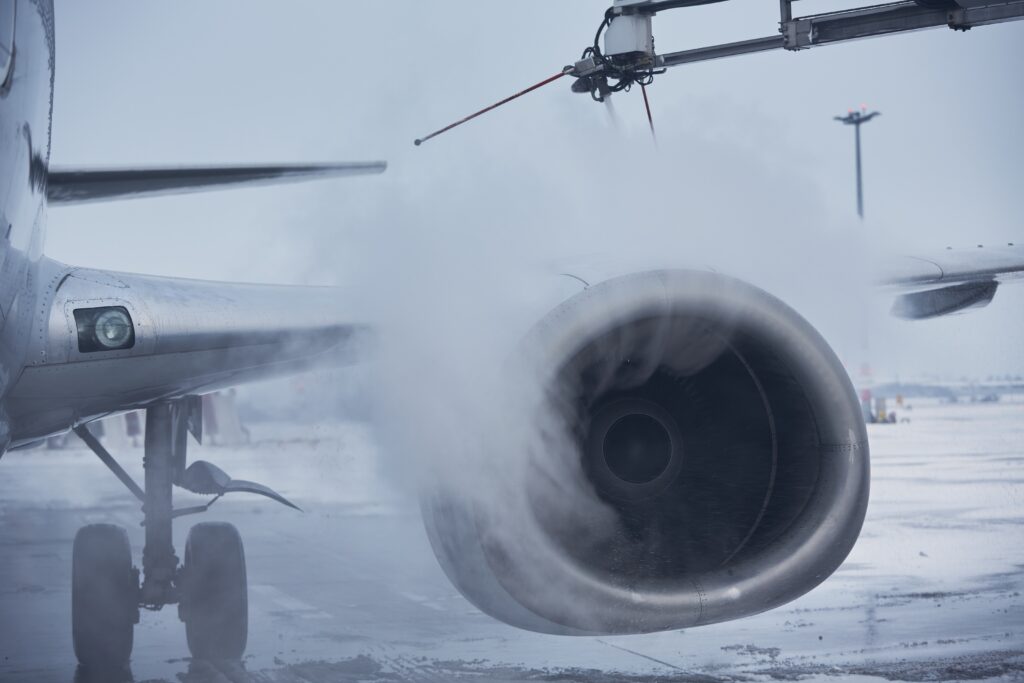
- Melting Point vs. Operating Temp: Volcanic ash is primarily composed of silicates (rock and glass). These silicates melt at approximately . However, the combustion chamber of a modern jet engine operates at temperatures exceeding .
- Vitrification: When the ash is sucked into the engine, it melts instantly. As this molten glass moves toward the cooler turbine blades, it solidifies, coating the blades in a hard, ceramic-like glaze. This chokes the airflow, causing the engine to surge, flame out, and eventually seize.
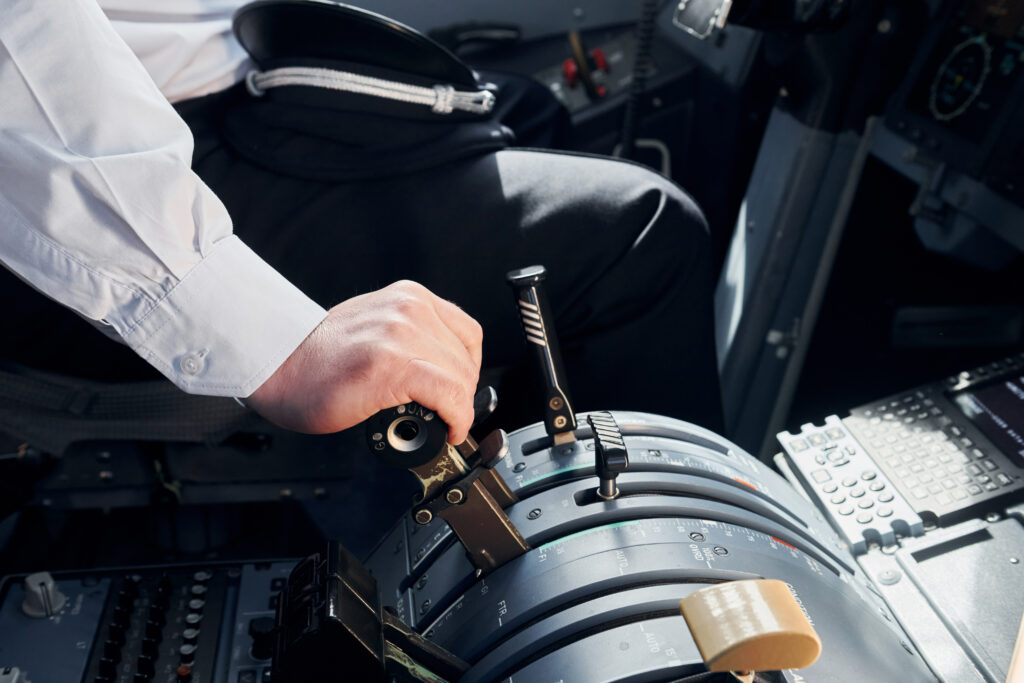
- Safety Procedures: Understanding the “Powerplant” response to ingestion—and the desperate need to “restart” once in cooler air—is why AI and VR are reshaping pilot training, allowing crews to practice the harrowing “all-engine flameout” checklists safely.
3. Strategic Lessons Since 2010
Since the Eyjafjallajökull crisis, the industry has shifted from a “no-fly” blanket policy to a “risk-based” approach.
- Ash Concentration Levels: We now categorize airspace into low, medium, and high contamination.
- Airframe Damage: It’s not just the engines. Ash is highly abrasive; it can “sandblast” cockpit windows until they are opaque and clog Pitot tubes, leading to a loss of airspeed indication.
- Night Operations: Identifying ash at night is nearly impossible without specialized equipment. This underscores why night rating training emphasizes a total reliance on instruments and meteorological briefings over visual cues.
Conclusion: Respecting the Earth’s Breath
Volcanic ash is a reminder that nature still holds the ultimate veto over aviation. In 2026, we combat this “invisible killer” with better data, smarter sensors, and pilots who are trained to respect the SIGMET more than their own eyes. For those starting their journey, understanding these atmospheric threats is a vital part of foundational online pilot training.