You’ve logged the hours and run the checklists. But the real shape of pilot life—the quiet preparation, the unpredictable moments, the balance between flying and everything else—is what defines this career.
Pilot work life balance isn’t easy. Some days start before dawn. Some end far from home. But for those who fly, it’s worth it.
Here’s what a pilot’s day actually looks like.
Pilot Life Before Dawn
For many pilots, the day starts while the rest of the world sleeps. Their day can begin at the most unexpected times.
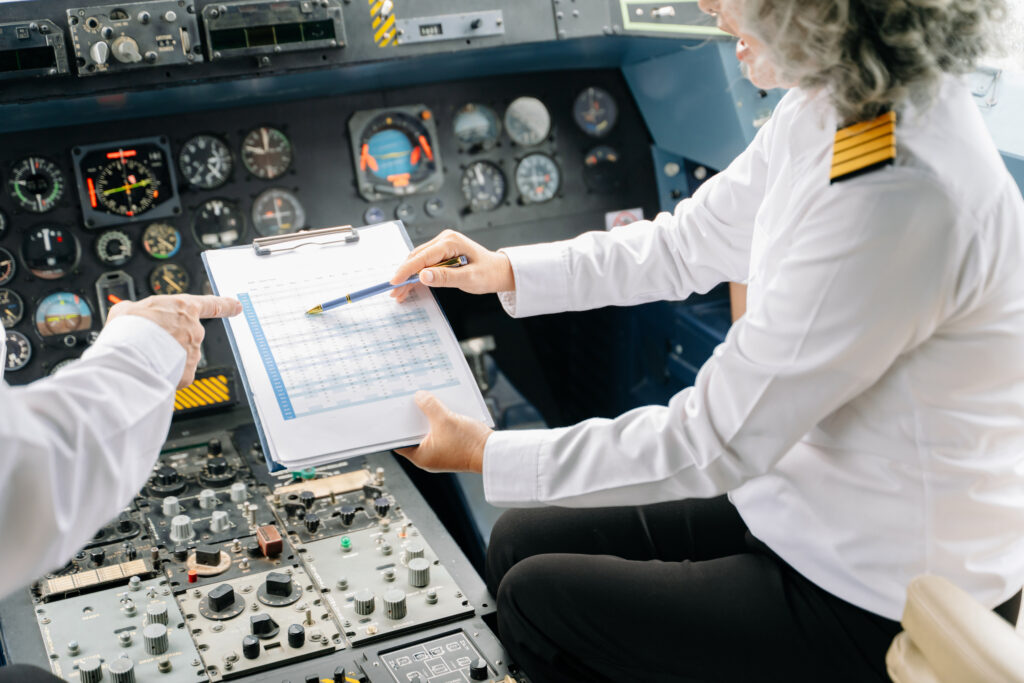
First, they review the flight plan: route, fuel, weather, alternates. Then NOTAMs—last-minute alerts about runway closures or airspace changes. Weather gets special attention. Clear skies at departure don’t guarantee a smooth ride.
This is the unseen side of pilot life. What happens before the uniform goes on.
Where Pilot Life Takes Shape
About 70 minutes before departure, pilots arrive at the airport. After security, they gather in the briefing room—where the flight takes shape.
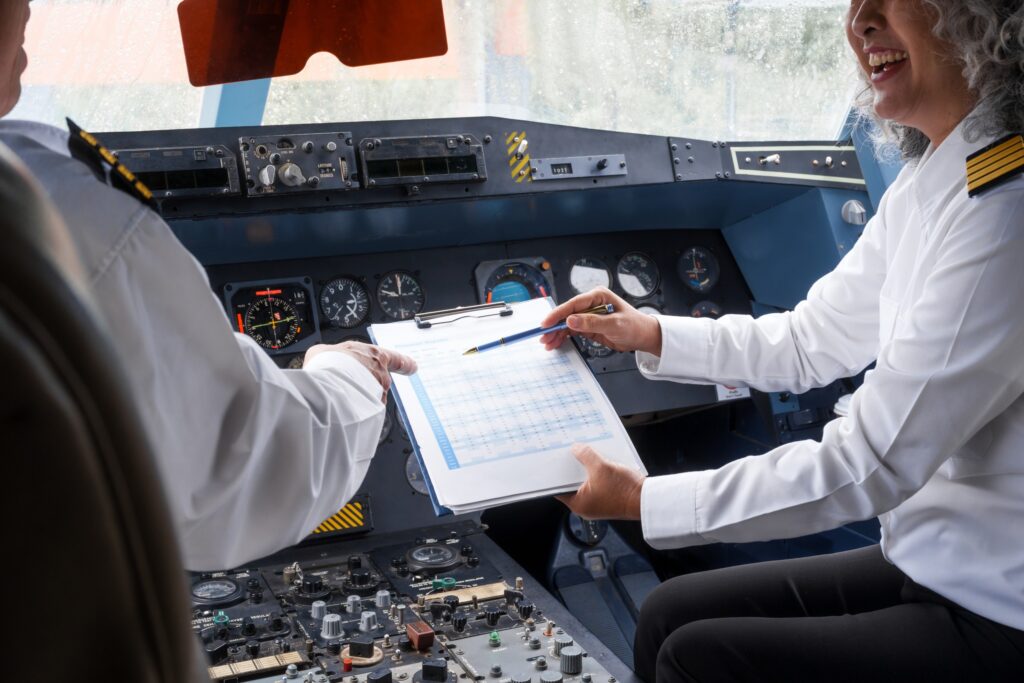
The captain and first officer meet the cabin crew. They go over the route, weather, fuel, and any special considerations. They brief the flight attendants on what to expect, from turbulence to passenger needs. This communication—the clarity, the coordination, the shared understanding—is built through Crew Resource Management training, where pilots learn to work as a team long before they ever enter the cockpit.
This is where pilot life shifts from preparation to execution. A team effort, not a solo act.
On the Ground
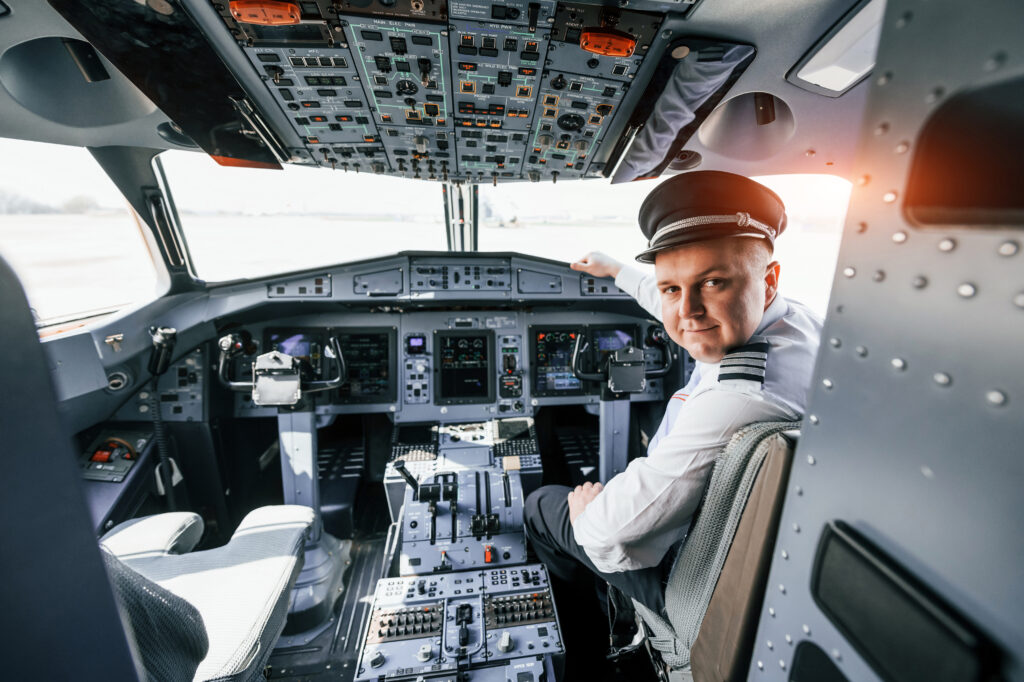
Inside, pre-flight checks continue. Instruments, systems, emergency gear. Everything verified. It’s a routine built on redundancy—checking and double-checking so nothing slips through.
By the time passengers board, the aircraft has been thoroughly vetted. The crew is ready.
Takeoff
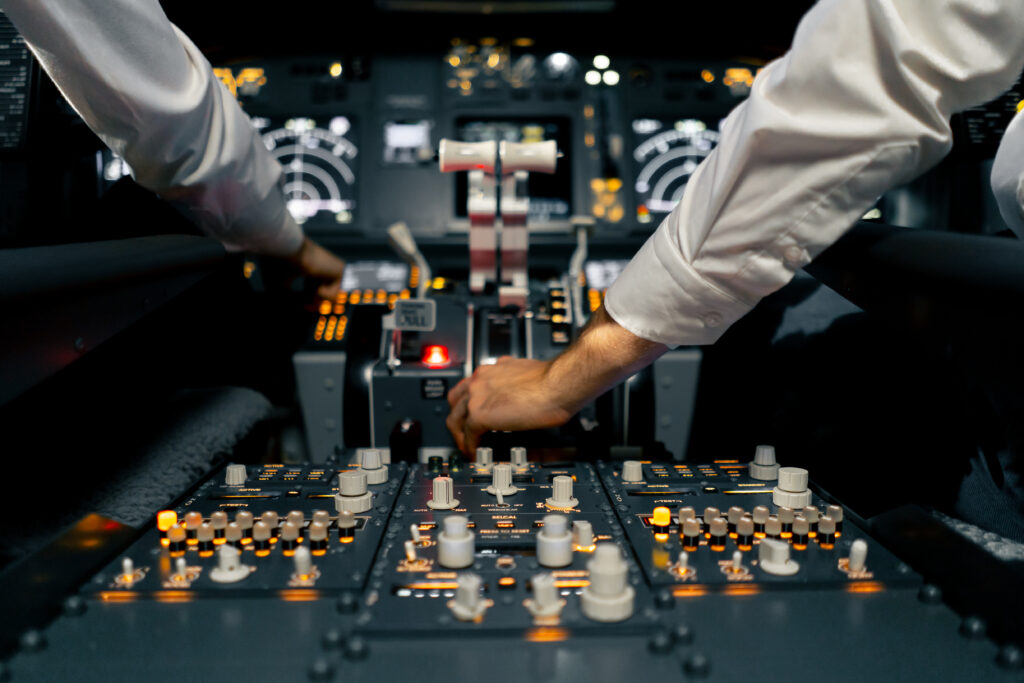
For pilots, takeoff is one of the most demanding phases of any flight. They’re monitoring engine parameters, tracking speed, ready to respond if something goes wrong.
Crosswinds, short runways, bad weather—all add intensity. There’s a moment—V1—where abort is no longer an option. After that, takeoff is committed.
To passengers, it feels routine. For pilots, it’s intense focus.
This is pilot life in its most concentrated form. Every decision matters.
The Rhythm of Airline Pilot Life
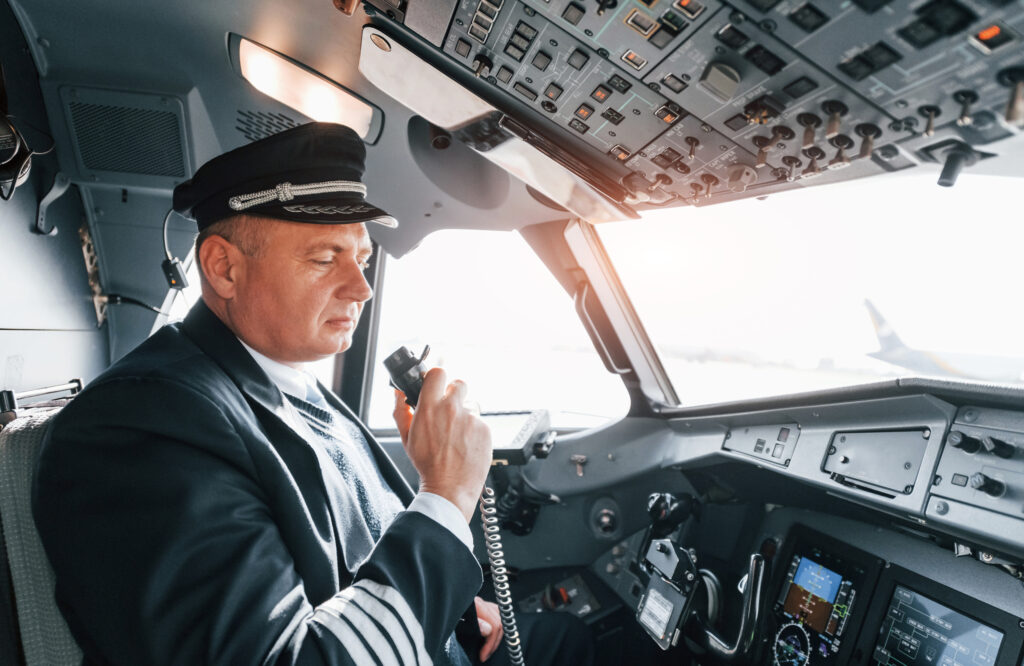
Once the plane reaches cruising altitude, autopilot takes over. Pilots focus on monitoring systems, talking to ATC, and keeping an eye on fuel and weather.
On short-haul routes, a pilot might fly multiple sectors in a single day, with just 30 minutes between landing and the next takeoff. On long-haul routes, flights stretch for hours. Pilots take turns resting in the cockpit while the other stays alert.
There are rules for everything—even meals. Pilots never eat the same thing at the same time. A precaution against both getting sick from the same food. Casual conversation is fine during cruise. Below 10,000 feet, the cockpit goes quiet.
This is the rhythm of airline pilot life: bursts of intensity, stretches of monitoring, always watching for what’s next.
When Things Don’t Go as Planned
Even with all the planning, surprises happen. Turbulence is common—light or strong enough to require a change in altitude or route. Bird strikes occur more often than passengers realize. Airports use ultrasound systems to try to keep birds away.
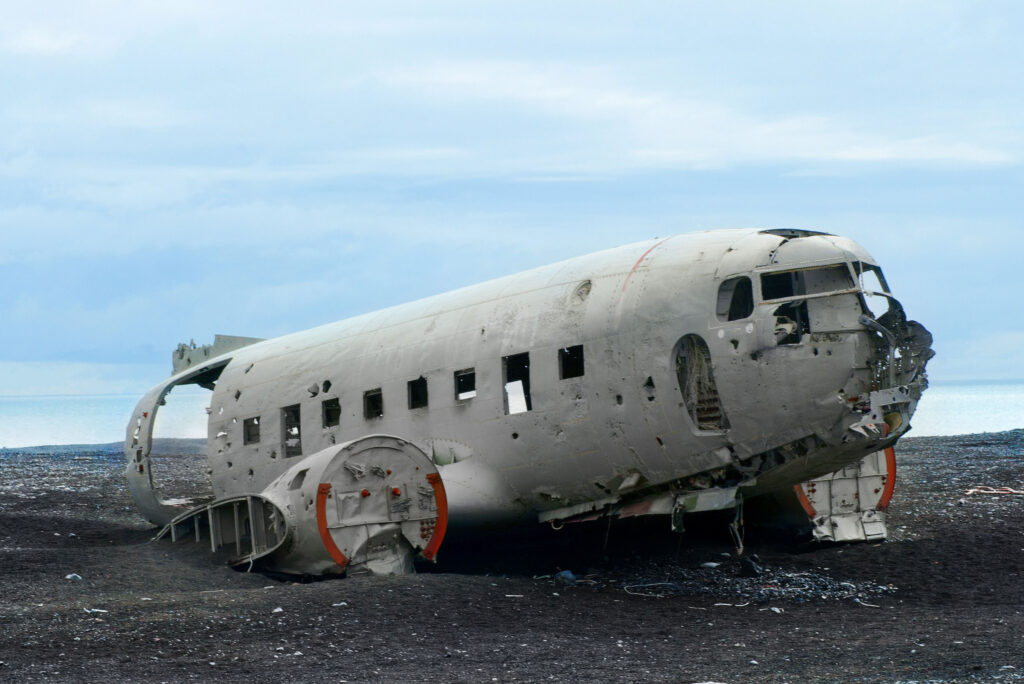
Then real emergencies: medical issues, mechanical problems, sudden weather shifts. Pilots train for these in simulators, running worst-case scenarios until responses become instinct. That training makes aviation safe—and separates good pilots from great ones.
This is where pilot life reveals its true weight. The hours in the simulator. The discipline. The readiness for anything.
Pilot Work Life Balance in Focus
About 30 minutes before touchdown, pilots begin preparing for descent. They brief the approach, configure the flaps, and review weather at the destination.
Low visibility? They might use an Instrument Landing System—radio signals guiding the plane down. At airports with tricky geography—Madeira, Paro—special procedures kick in. Sometimes the captain handles the landing alone.
Landing is a test of skill. Speed, alignment, crosswinds—it all comes together in the final seconds before wheels touch down.
Then taxi to the gate. Shutdown. Paperwork. The flight is over, but the work isn’t done.
The Other Side of Pilot Lifestyle
Engines off. Pilots file reports, log data, debrief with crew. Then home—or a layover in a city they’ve never seen.
Where do pilots live? For some, near their base. For others, the answer is more complicated. For pilots based away from home, commuting adds another layer. Some live near their base and drive. Others fly in from other cities, adding hours to duty time. This constant movement shapes pilot lifestyle in ways passengers rarely see.
At home, recovery begins. Sleep. Diet. Exercise. In peak season, schedules leave little room for anything beyond rest.
The perks are real—discounted travel for family, the chance to explore new places. But so are the trade-offs. Junior pilots work weekends and holidays. Seniority brings control, but it takes years. Pilot quality of life improves with time, but patience is part of the deal.
Pilot work life balance is a constant negotiation. Our comprehensive guide explores how pilots make it work.
What the Numbers Say About Pilot Quality of Life
The FAA caps flight time at 100 hours per month and 1,000 per year. But pilots spend an additional 150 hours each month on ground duties—planning, briefings, paperwork. A duty day can run 9 to 19 hours, depending on crew size and start time.
The median airline pilot in the U.S. earns over $200,000, though regional pilots start much lower. The profession is projected to grow steadily over the next decade, driven by retirements and increasing demand.
These numbers define the structure of pilot life: the hours, the pay, the trajectory.
The Bigger Picture of Pilot Life
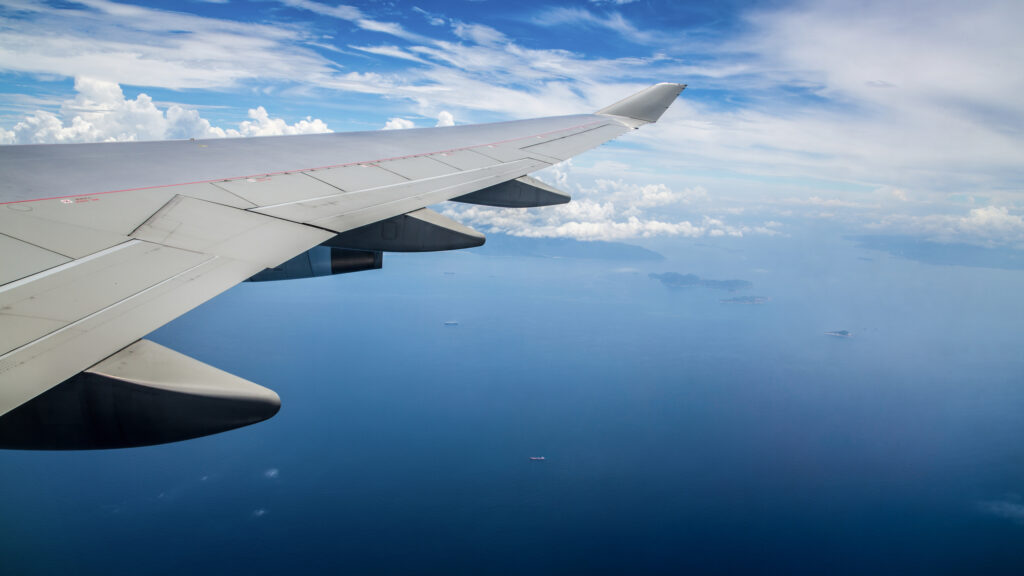
The view from the cockpit is unlike any other. But so is the responsibility.
Next time you’re somewhere above the clouds, take a moment. Behind that locked door is a pilot who’s been preparing for this flight—and every possible version of it.
That’s the weight of pilot life. That’s the reality of pilot work life balance. And for those who carry it, it’s more than a job—it’s a calling.