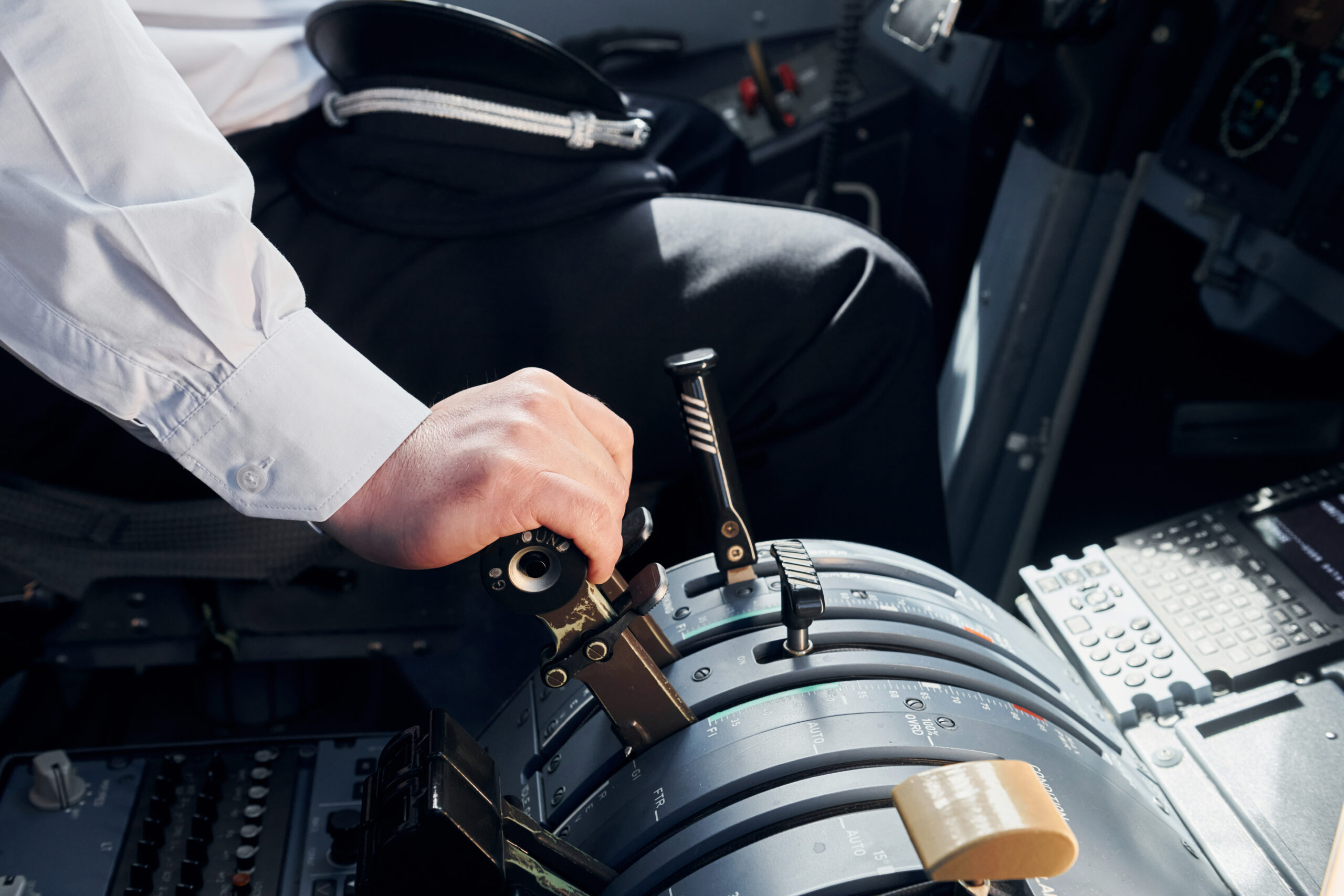
In 2026, the relationship between airports and their neighboring communities is more sensitive than ever. As cities expand toward airfields, pilots must master the “Art of the Quiet Departure.” Known officially as Noise Abatement Departure Procedures (NADP), these are not just suggestions—they are strictly mandated flight profiles that change how we climb, when we pull back the power, and how we retract our flaps.
Let’s look at the physics of “quiet” flying and how environmental regulations dictate your flight path.
1. NADP 1 vs. NADP 2: Close-in vs. Distant Noise
ICAO defines two primary departure profiles, and the choice between them depends entirely on where the people are living.
- NADP 1 (Close-in): Designed to protect people living right next to the airport. The pilot maintains a steep climb at a lower speed to get the aircraft as high as possible, as fast as possible.
- NADP 2 (Distant): Designed for communities further away. The aircraft climbs more shallowly but accelerates faster, allowing flaps to be retracted sooner, reducing drag and overall noise duration over a wider area.
- Technical Mastery: Learning to fly these precise profiles—often involving a “thrust reduction” height—is a core part of ATPL Flight Planning and Operational Procedures.
2. Thrust Reduction and Acceleration Altitudes
If you’ve ever been a passenger and felt the engines “quit” or the plane “level off” shortly after takeoff, you were likely experiencing a noise abatement maneuver.
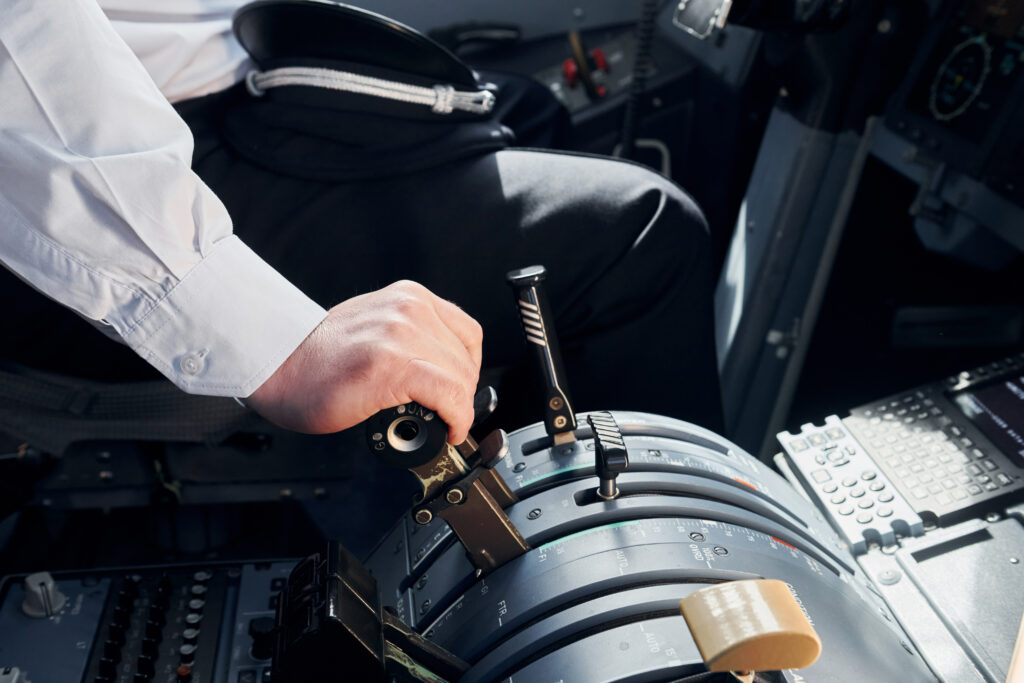
- Thrust Reduction (TRED): Usually at 800 or 1,500 feet AGL, pilots pull the throttles back from “Takeoff Power” to “Climb Power.” This reduces the decibel level significantly while the plane is still over populated areas.
- Acceleration Height (ACCEL): This is the point where the pilot lowers the nose to gain speed. In 2026, many airports have strict “Noise Curfews,” where failing to meet these altitudes can result in heavy fines for the airline.
Night Ops: These procedures are even more critical during the late hours. Understanding the logistical pressure of these curfews is why night rating training is vital for airline-bound pilots, as noise sensitivity is at its peak after dark.

3. 2026 Technology: Precision Navigation (PBN)
Modern Noise Abatement isn’t just about vertical profiles; it’s about lateral precision.
- Curved Departures: Using GPS-based Performance-Based Navigation (PBN), aircraft can now fly precise, curved tracks to avoid specific hospitals or residential blocks with surgical accuracy.
- Simulating the Profile: Because NADP maneuvers happen during the most critical phase of flight (initial climb), pilots practice them heavily. Using high-fidelity flight simulators allows crews to master the timing of flap retraction and thrust reduction without compromising safety.
Conclusion: Flying with a Conscience
In 2026, being a “good neighbor” is part of the professional pilot’s DNA. Masterful Noise Abatement requires a deep understanding of aerodynamics and a commitment to the communities we fly over. For those just starting, mastering these profiles is a major milestone in foundational online pilot training.