1. Myth: SAF Corrodes the Engine Internals
The Engineering Reality: Pure SAF is actually “cleaner” than traditional Jet A-1 kerosene.
- Sulfur & Particulates: Traditional kerosene contains sulfur and aromatics. When burned, these create soot and acidic byproducts. SAF, derived from feedstocks like used cooking oil or municipal waste, is almost entirely free of sulfur.
- The Result: Engines running on SAF blends actually show less internal carbon buildup and lower turbine entry temperatures over time.
- Deep Dive: To understand how fuel chemistry affects turbine blades and combustion liners, students must deep-dive into ATPL Powerplant and General Knowledge subjects, where the link between fuel purity and engine longevity is decoded.
2. Myth: “Drop-in” is a Marketing Lie (The Seal Issue)
The Engineering Reality: This myth is based on a specific chemical requirement regarding aromatics.
- The Science of Seals: Many older engine seals (nitrile O-rings) rely on the aromatic compounds in traditional Jet A-1 to “swell” and create a tight seal. Since most SAF is paraffinic (low in aromatics), using 100% SAF could theoretically cause older seals to shrink and leak.
- The 2026 Solution: This is why current regulations limit SAF to a 50% blend with conventional fuel. Engineers are currently certifying new seal materials that don’t rely on chemical swelling.
- Simulation Mastery: Understanding these technical limitations is a key part of modern flight planning. Many pilots use high-fidelity flight simulation and video games to practice how fuel density and temperature changes affect long-haul range and performance.
3. Myth: SAF Has Lower Energy Content
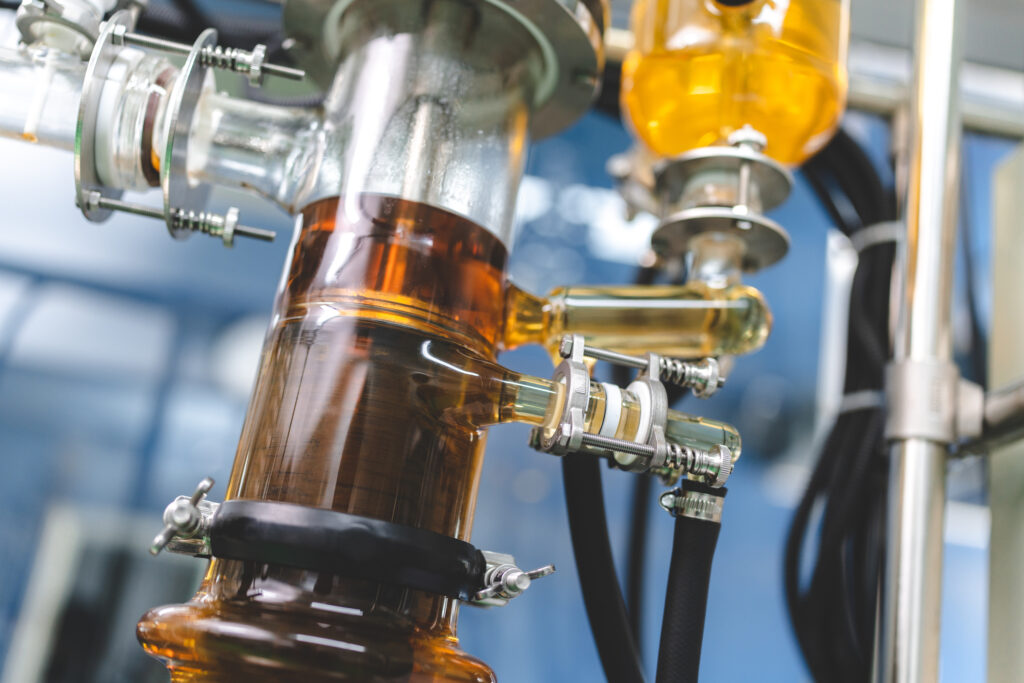
The Engineering Reality: These sustainable jet fuel facts show that modern HEFA (Hydroprocessed Esters and Fatty Acids) fuels are remarkably efficient.
- The Energy Equation: The specific energy of Jet A-1 is roughly 43.1 MJ/kg. Approved SAF pathways produce fuel with a specific energy ranging from 42.8 to 44 MJ/kg.
- Performance: In many flight tests, SAF has shown a slightly higher energy density by mass, meaning you can technically fly further with the same weight of fuel. This level of performance optimization is a topic often discussed in online pilot training modules focusing on next-gen operations.
4. The 2026 Horizon: 100% SAF and Aircraft Engine Compatibility
By 2026, the industry is moving beyond blends. Major manufacturers like Airbus and Boeing have already conducted successful 100% SAF test flights on commercial platforms, proving that aircraft engine compatibility is a matter of certification, not a lack of technology.
- AI in Testing: AI-driven diagnostic tools are now used to monitor engine wear in real-time during these tests. This intersection of green tech and data is a prime example of how AI and VR are reshaping pilot training worldwide, preparing crews for a fleet that sounds and performs slightly differently than the kerosene-burners of the past.
Conclusion: A Cleaner, Not Crueler, Fuel
The engineering verdict is clear: SAF does not damage engines; it simply challenges our old reliance on “dirty” chemical components like aromatics. As we move toward 100% compatibility, the pilots who understand the chemistry of their fuel will be the ones leading the industry into its cleanest era yet.